10 Home Decor Trends You’ll Regret Not Trying in 2025
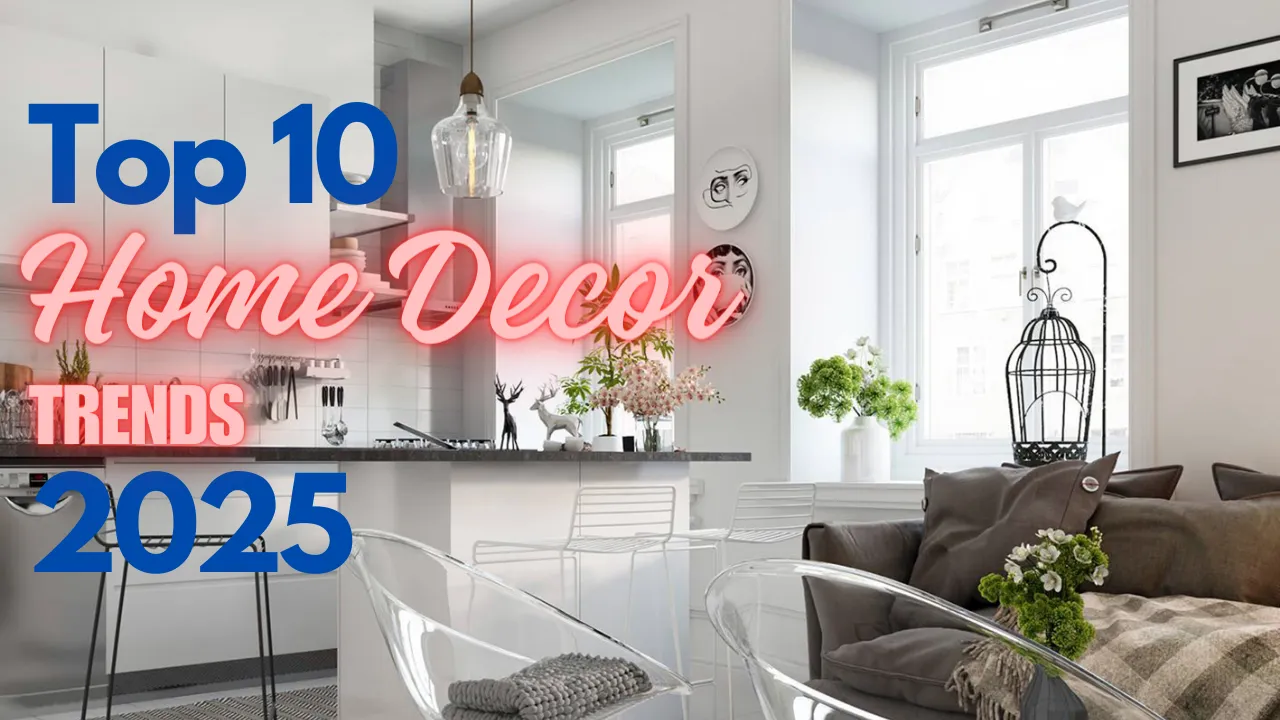
Home. It's more than just a place to rest our heads; it's the canvas upon which we paint the story of our lives. It's a sanctuary, a reflection of our innermost selves, and a space that should nurture our well-being. As we journey further into the 21st century, our homes are evolving to meet the demands of our increasingly dynamic lives. They are becoming smarter, more sustainable, and more attuned to our emotional needs. So, what trends are poised to shape our interiors in 2025? What choices can we make now to ensure our homes feel both contemporary and timeless? Let's delve into ten decor trends you absolutely won't want to miss.
1.Biophilic Design: Bringing the Outdoors In. Forget a few potted plants; we're talking full immersion. Biophilic design, which focuses on connecting us with nature, is exploding. Expect to see entire walls covered in living plants, indoor water features that mimic the soothing sound of a stream, and expansive windows framing natural landscapes. The goal is to reduce stress, improve air quality, and foster a sense of well-being. Think beyond aesthetics; consider the sounds, smells, and textures of nature. Imagine waking up to the gentle rustling of leaves or the calming scent of eucalyptus.
Actionable Tip: Start small with a vertical garden in your kitchen or a terrarium on your coffee table. Gradually incorporate more natural elements as you become comfortable.
2.The Rise of Tactile Textiles. Forget sleek, minimalist surfaces. In 2025, it's all about texture. Think chunky knit throws, woven wall hangings, and cushions adorned with intricate embroidery. The focus is on creating a sensory experience that invites touch and comfort. These tactile textiles add depth and warmth to any space, making it feel more inviting and lived-in.
Actionable Tip: Layer different textures in your living room. Combine a linen sofa with a velvet cushion and a chunky knit throw for a visually appealing and comfortable space.
3.Earthy Tones: A Return to Nature's Palette. Say goodbye to stark whites and bold colors. Earthy tones like terracotta, ochre, sage green, and sandy beige are making a comeback. These colors evoke a sense of calm and grounding, creating a serene and welcoming atmosphere. They also pair beautifully with natural materials like wood, stone, and linen.
Actionable Tip: Start with a neutral base and add pops of earthy color through accessories like cushions, throws, and artwork.
4.Statement Lighting: More Than Just Illumination. Lighting is no longer just about providing light; it's about making a statement. Expect to see oversized pendant lights, sculptural floor lamps, and intricate wall sconces that double as works of art. The key is to choose lighting fixtures that reflect your personality and add a touch of drama to your space.
Actionable Tip: Invest in a few key lighting pieces that will instantly elevate the look of your room. A unique pendant light above your dining table or a sculptural floor lamp in your living room can make a big difference.
5.Multifunctional Furniture: Space-Saving Solutions. With the rise of urban living, space is becoming increasingly precious. Multifunctional furniture is designed to maximize space and provide versatile solutions for small homes. Think coffee tables that transform into dining tables, sofas with built-in storage, and beds that fold away into the wall.
Actionable Tip: Look for furniture that can serve multiple purposes. A storage ottoman can provide extra seating and storage space, while a Murphy bed can transform a spare room into a guest room in seconds.
6.The Art of Imperfection: Embracing Wabi-Sabi. Wabi-Sabi is a Japanese philosophy that celebrates the beauty of imperfection. It's about embracing flaws and finding beauty in the natural aging process. In interior design, this translates to using natural materials with imperfections, like raw wood with visible grain or handmade ceramics with uneven glazes.
Actionable Tip: Embrace the imperfections in your home. Don't be afraid to leave a few cracks in your walls or display handmade items with slight variations.
7.Vintage Accents: A Nod to the Past. Vintage furniture and accessories are making a big comeback. They add character and personality to any space, creating a sense of history and nostalgia. Look for unique pieces at flea markets, antique stores, or online auctions.
Actionable Tip: Incorporate a few vintage pieces into your existing decor. A vintage mirror, a retro armchair, or a mid-century modern coffee table can add a touch of charm and sophistication.
8.The Smart Home Revolution: Seamless Integration. Technology is becoming increasingly integrated into our homes. Smart home devices like voice-controlled assistants, smart lighting systems, and automated blinds are making our lives easier and more convenient. However, the key is to integrate these technologies seamlessly into your decor without sacrificing style.
Actionable Tip: Choose smart home devices that are aesthetically pleasing and blend in with your existing decor. Consider using hidden outlets and wiring to minimize clutter.
9.Curated Collections: Telling Your Story. Forget generic decor. In 2025, it's all about creating a home that tells your story. Curate a collection of objects that reflect your interests, experiences, and personality. Display your favorite books, artwork, and travel souvenirs in a way that is both visually appealing and meaningful.
Actionable Tip: Create a gallery wall with your favorite photos and artwork. Display your travel souvenirs on shelves or in a display cabinet.
10.Sustainable Decor: Eco-Friendly Choices. Sustainability is no longer just a trend; it's a necessity. In 2025, expect to see more and more homeowners making eco-friendly choices when it comes to decor. This includes using recycled materials, choosing sustainable furniture, and opting for energy-efficient appliances.
Actionable Tip: Look for furniture made from recycled materials, such as reclaimed wood or recycled plastic. Choose energy-efficient appliances and lighting fixtures.
The Evolution of Interior Aesthetics
Contemporary decor is increasingly reflecting a desire for simplicity, sustainability, and purposeful design. In an era overwhelmed with digital stimulation and constant connectivity, interiors are becoming intentional spaces for retreat and rejuvenation. We're seeing a shift away from ostentatious displays of wealth and towards mindful curation, where each object serves a purpose and contributes to the overall sense of harmony. Sustainability is no longer a niche concern, but a guiding principle in design, influencing material choices and construction methods. The modern home is becoming a sanctuary, designed not just for aesthetics but for the well-being of its inhabitants.
Three Defining Styles of 2025
Japandi Minimalism: A harmonious blend of Japanese and Scandinavian design principles, Japandi emphasizes clean lines, natural materials, and a muted color palette. It’s a style characterized by its functionality and serene atmosphere. Key features include: Materiality: Light woods like beech and birch are paired with natural elements like bamboo and linen.
Tonal Harmony: Soft, neutral tones such as gray, beige, and white are complemented by subtle pops of color inspired by nature.
Spatial Rhythm: Open floor plans and uncluttered surfaces create a sense of spaciousness and tranquility.
Emotional Atmosphere: Creates a calm and balanced environment through simplicity and understated elegance.
Revived Mid-Century Modern: This iconic style is making a strong comeback, with a renewed emphasis on its optimistic spirit and functional designs. Reinterpreted for modern living, it retains its timeless appeal while incorporating contemporary elements: Materiality: Teak, walnut, and molded plastic are combined with modern materials like steel and glass.
Tonal Harmony: Warm, earthy tones are balanced with bold pops of color like mustard yellow, avocado green, and burnt orange.
Spatial Rhythm: Clean lines and geometric shapes create a sense of order and sophistication.
Emotional Atmosphere: Evokes a sense of nostalgia and optimism, with a focus on comfort and functionality.
Organic Wabi-Sabi: Rooted in the Japanese philosophy of finding beauty in imperfection, Wabi-Sabi embraces natural materials, handcrafted details, and a sense of understated elegance. It’s a style that celebrates the unique character of each object and the passage of time: Materiality: Raw wood, natural stone, and handcrafted ceramics are used to create a sense of authenticity and connection to nature.
Tonal Harmony: Earthy tones such as browns, grays, and greens are used to create a sense of calm and tranquility.
Spatial Rhythm: Asymmetrical arrangements and organic forms create a sense of naturalness and spontaneity.
Emotional Atmosphere: Fosters a sense of acceptance and appreciation for the beauty of imperfection.
Material, Texture & Color
In 2025, the emphasis is on creating interiors that evoke warmth, clarity, and a connection to nature. Materials like raw wood, linen, and ceramic are favored for their tactile qualities and natural beauty. Textures play a crucial role in adding depth and interest to spaces, with techniques like layering, weaving, and sculpting creating visually engaging surfaces. Color palettes are shifting towards earthy tones and muted hues that evoke a sense of calm and tranquility. These choices reflect a desire for interiors that are both aesthetically pleasing and emotionally restorative.
Integration of Function & Technology
The modern home is seamlessly integrating aesthetics with functionality, with modular designs, smart home integration, and sustainable innovations becoming increasingly prevalent. Modular furniture allows for flexible and adaptable living spaces, while smart home technologies enhance convenience and efficiency. Sustainable innovations, such as energy-efficient lighting and water-saving fixtures, are becoming standard features in contemporary homes, reflecting a growing awareness of environmental responsibility.
The future of home decor is an evolving narrative of personal identity and cultural influence. As we move further into the 21st century, our homes will continue to adapt to our changing needs and lifestyles, reflecting our values, aspirations, and cultural connections. The trends discussed here are just a glimpse of what's to come, but they all point to a future where our homes are not just places to live, but reflections of our inner selves.
.jpg)

.jpg)
Comments
Post a Comment