5 Decor Trends That Will Be Huge This Summer (And 3 That Are So Over)
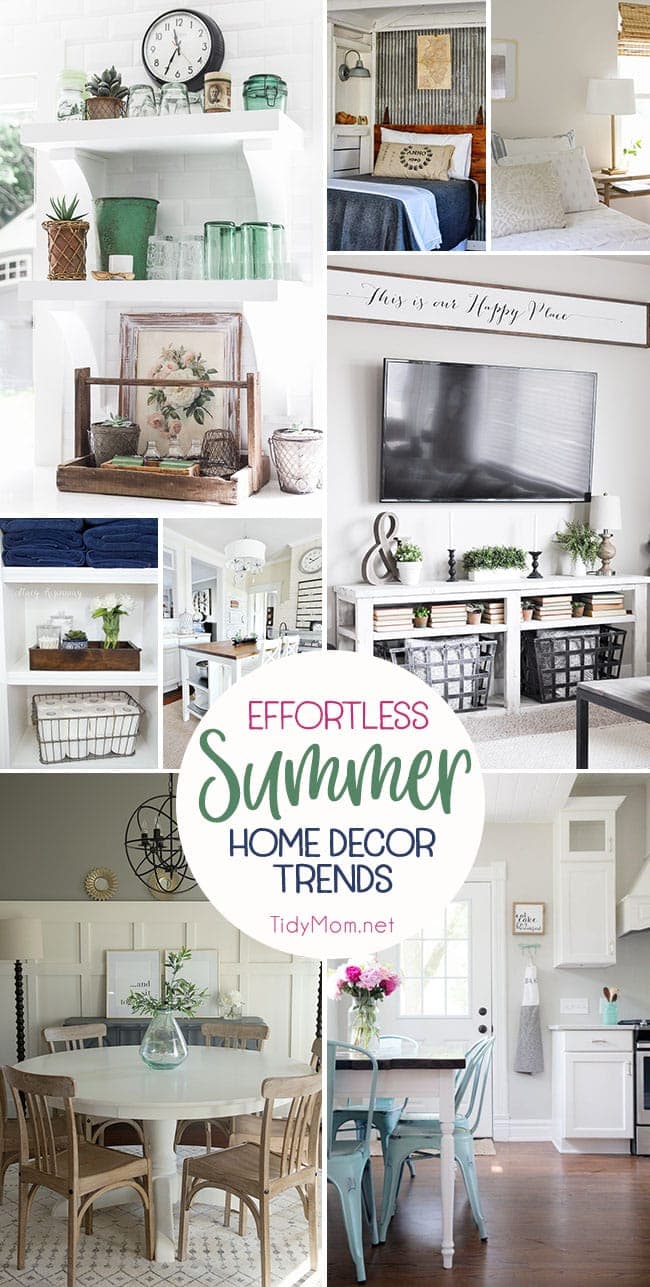
The spaces we inhabit are more than just walls and furniture; they're living reflections of our inner selves, evolving in tandem with our ever-changing lifestyles and emotional landscapes. As we journey deeper into the 21st century, the essence of interior design has shifted from mere aesthetics to a more profound exploration of comfort, sustainability, and personal expression. The trends that dominate today are not fleeting fancies but thoughtful responses to our yearning for tranquility and connection in a world often characterized by constant flux. This summer promises to bring forth a wave of innovative decor approaches, while some past favorites gracefully step aside.
The Evolution of Interior Aesthetics
The contemporary decor landscape is witnessing a significant departure from ostentatious displays of luxury to a more understated elegance, emphasizing simplicity, sustainability, and purposeful design. Gone are the days of cluttered spaces and excessive ornamentation. Today's homeowners are seeking refuge in minimalist environments that promote a sense of calm and well-being. Sustainability is no longer a niche concept but a guiding principle, influencing material choices, production methods, and overall design ethos. Finally, every element within a space is carefully considered for its functionality and contribution to the overall narrative, ensuring that design serves a purpose beyond mere visual appeal. This shift reflects a growing awareness of our impact on the environment and a deeper understanding of how our surroundings affect our mental and emotional health.
Three Defining Styles of Summer
This summer heralds the rise of three distinct yet interconnected design styles, each offering a unique perspective on creating harmonious and inviting living spaces. Japandi Minimalism, Revived Mid-Century Modern, and Organic Wabi-Sabi stand out as frontrunners, showcasing a desire for refined simplicity, timeless elegance, and embracing imperfection.
Japandi Minimalism
Japandi is not simply a blend of Japanese and Scandinavian styles, it is a sophisticated fusion that transcends its origins. It marries the sleek functionality of Scandinavian design with the serene simplicity of Japanese aesthetics. This style is characterized by its clean lines, muted color palettes, and emphasis on natural materials.
Materiality: Raw wood, bamboo, and paper are integral to Japandi, adding warmth and texture to minimalist spaces.
Tonal Harmony: Soft grays, creams, and subtle earth tones create a soothing and balanced atmosphere.
Spatial Rhythm: Open floor plans and strategically placed furniture enhance the flow of energy and promote a sense of spaciousness.
Emotional Atmosphere: Japandi interiors evoke a feeling of tranquility, encouraging mindfulness and a deep connection with nature.
Today, Japandi is being reinterpreted with a focus on incorporating locally sourced materials and handcrafted elements, further personalizing the aesthetic and supporting sustainable practices. Consider incorporating handwoven textiles, artisanal ceramics, and repurposed wood furniture to add depth and character to your Japandi-inspired home.
Revived Mid-Century Modern
Mid-Century Modern, a design movement that emerged in the mid-20th century, is experiencing a resurgence, not as a replica of the past, but as a reimagining of its core principles. This style celebrates clean lines, organic shapes, and a harmonious blend of natural and man-made materials.
Materiality: Teak wood, molded plywood, and glass are hallmarks of Mid-Century Modern, lending a sense of warmth and sophistication.
Tonal Harmony: Bold pops of color, such as mustard yellow, avocado green, and burnt orange, are often used to accent neutral backgrounds.
Spatial Rhythm: Low-slung furniture and open-plan layouts create a sense of relaxed informality and encourage social interaction.
Emotional Atmosphere: Revived Mid-Century Modern interiors evoke a feeling of optimism, nostalgia, and a celebration of the modern age.
The modern interpretation of Mid-Century Modern often incorporates sustainable materials and updated color palettes to suit contemporary tastes. Designers are experimenting with using recycled plastics, responsibly sourced wood, and energy-efficient lighting to create eco-friendly Mid-Century Modern spaces.
Organic Wabi-Sabi
Wabi-Sabi is a Japanese philosophy that embraces imperfection, impermanence, and the beauty of natural processes. In interior design, this translates to creating spaces that celebrate asymmetry, irregularity, and the patina of age.
Materiality: Natural stone, aged wood, and handmade ceramics are essential elements of Wabi-Sabi, emphasizing the beauty of raw and unrefined textures.
Tonal Harmony: Earthy tones, such as browns, greens, and grays, create a grounding and calming atmosphere.
Spatial Rhythm: Spaces are designed to feel lived-in and authentic, with an emphasis on natural light and a connection to the outdoors.
Emotional Atmosphere: Organic Wabi-Sabi interiors evoke a feeling of serenity, acceptance, and a deep appreciation for the beauty of imperfection.
Contemporary Wabi-Sabi designs are incorporating elements of biophilic design, bringing nature indoors through the use of plants, natural light, and water features. This creates spaces that are not only aesthetically pleasing but also promote well-being and a sense of connection to the natural world.
Material, Texture & Color
This summer, materials, textures, and colors converge to create spaces that are both visually appealing and tactilely engaging. Natural materials, such as raw wood, linen, and ceramic, take center stage, offering a sense of authenticity and connection to the earth. Textures are equally important, adding depth and dimension to minimalist interiors. Color palettes lean towards warm neutrals and muted earth tones, creating a sense of calm and serenity.
Raw Wood: Unfinished or lightly finished wood retains its natural grain and texture, adding warmth and character to any space.
Linen: This natural fiber is prized for its breathability, durability, and relaxed elegance. Linen upholstery, curtains, and bedding add a touch of understated luxury to interiors.
Ceramic: Handmade ceramic tiles, vases, and tableware showcase the beauty of imperfection and add a sense of artistry to spaces.
Textures: Layering different textures, such as rough linen, smooth wood, and textured ceramics, creates visual interest and tactile appeal.
Color Palettes: Warm neutrals, such as beige, ivory, and taupe, create a calming and versatile backdrop. Muted earth tones, such as terracotta, sage green, and ochre, add warmth and depth to interiors.
Integration of Function & Technology
Modern decor increasingly integrates aesthetics with functionality and technology. Modular design allows for flexible and adaptable spaces, while smart home integration enhances convenience and energy efficiency. Sustainable innovation is also playing a crucial role, with designers seeking out eco-friendly materials and energy-saving technologies.
Modular Design: Furniture and storage solutions that can be easily reconfigured to suit changing needs.
Smart Home Integration: Lighting, temperature, and security systems that can be controlled remotely.
Sustainable Innovation: Eco-friendly materials, such as recycled plastics and bamboo, are used in furniture and decor. Energy-efficient lighting and appliances help reduce energy consumption.
This integration of function and technology not only enhances the comfort and convenience of our homes but also contributes to a more sustainable and responsible way of living.
Conclusion
The future of home decor lies in creating spaces that reflect our personal identities, celebrate cultural influences, and promote well-being. This summer's trends point towards a desire for simplicity, sustainability, and a deeper connection with nature. By embracing these principles, we can create homes that are not only aesthetically pleasing but also nourishing for the soul. The evolution of interior design is a continuous journey, reflecting our ever-changing needs and aspirations. It is a narrative of personal expression, cultural awareness, and a commitment to creating spaces that inspire and uplift us.For curated decor pieces aligned with these evolving styles, explore our recommended design-forward collections
.jpg)

.jpg)
Comments
Post a Comment