Bedroom Color Psychology: What Your Wall Color Says About You
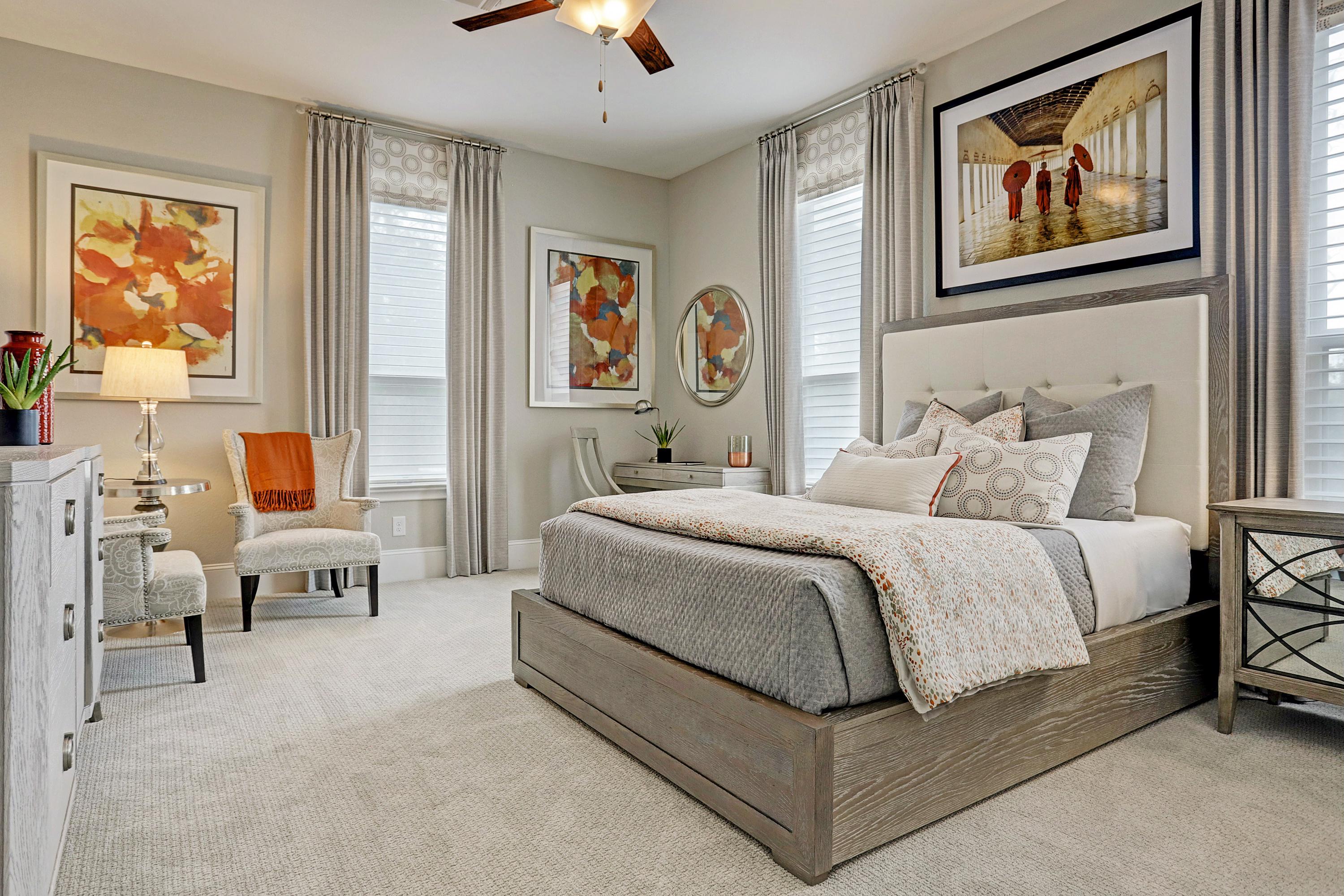
The bedroom, once simply a place for rest, has evolved into a sanctuary, a personal haven reflecting inner desires and emotional needs. In today's fast-paced world, where external pressures are constant, the home has become more than just a physical structure. It's a crucial element in cultivating well-being. Interior design is no longer merely about aesthetics; it is deeply intertwined with psychology, impacting mood, productivity, and overall mental health. The colors chosen for the bedroom walls, in particular, play a significant role in shaping this environment. Each hue carries its own set of associations and influences, subtly shaping the atmosphere and ultimately, one’s sense of self within the space. Understanding this relationship is key to creating a bedroom that truly nurtures and supports individual needs.
The Evolution of Interior Aesthetics
Contemporary decor reflects a significant shift from ostentatious displays of wealth to an emphasis on simplicity, sustainability, and purposeful design. There is a growing desire to create spaces that are not only visually appealing but also emotionally supportive and environmentally conscious. This movement is fueled by increased awareness of mental health, a desire for more sustainable lifestyles, and a rejection of consumerist excess. The focus is on creating homes that are calm, clutter-free, and filled with meaningful objects that tell a story. We see a move away from mass-produced items toward handcrafted pieces, vintage finds, and natural materials, each imbued with history and character. Design is now a tool for self-expression and well-being, with individuals curating their homes to reflect their values and aspirations.
Three Defining Styles of 2025
Several distinctive styles are emerging as dominant forces in the world of interior design, each offering a unique approach to creating harmonious and emotionally resonant spaces.
Japandi Minimalism
Japandi is a hybrid style that seamlessly blends Japanese and Scandinavian design principles. It champions simplicity, functionality, and natural materials. Key features include clean lines, uncluttered spaces, and a focus on craftsmanship.
Materiality*: Japandi emphasizes natural materials such as light-toned wood (oak, birch), bamboo, linen, and paper. These materials are chosen for their tactile qualities and their ability to create a sense of warmth and connection to nature.
Tonal Harmony*: The color palette is typically muted and neutral, featuring shades of white, gray, beige, and soft pastels. Accents of black or dark wood may be used to add contrast and visual interest.
Spatial Rhythm*: Japandi spaces are characterized by their sense of openness and flow. Furniture is carefully selected and arranged to create a feeling of balance and tranquility. Clutter is minimized to allow the architecture and natural light to take center stage.
Emotional Atmosphere*: The overall effect is one of serenity, calm, and mindful living. Japandi bedrooms are designed to promote relaxation and restful sleep.
Practical Insight: Today, Japandi is being reinterpreted with a greater emphasis on incorporating natural textures and handmade elements. This includes using handwoven rugs, ceramic lighting fixtures, and artwork created by local artisans. The goal is to create a space that feels both modern and timeless, with a strong connection to the natural world.
Revived Mid-Century Modern
Mid-Century Modern design, which originated in the mid-20th century, is experiencing a significant revival. This style celebrates clean lines, organic shapes, and a sense of optimism.
Materiality*: Common materials include molded plywood, fiberglass, metal, and glass. Wood, particularly teak and walnut, is used extensively for furniture and cabinetry.
Tonal Harmony*: The color palette is bold and vibrant, featuring hues such as avocado green, mustard yellow, orange, and turquoise. These colors are often combined with neutral tones to create a balanced and visually interesting space.
Spatial Rhythm*: Mid-Century Modern spaces are characterized by their open floor plans and connection to the outdoors. Furniture is often low-slung and modular, allowing for flexibility and versatility.
Emotional Atmosphere*: The style evokes a sense of playfulness, energy, and optimism. Mid-Century Modern bedrooms are designed to be both stylish and functional, with a focus on comfort and convenience.
Practical Insight: Modern interpretations of Mid-Century Modern often incorporate sustainable materials and energy-efficient technologies. This includes using recycled plastics, LED lighting, and smart home automation systems. The goal is to create a space that is both stylish and environmentally responsible.
Organic Wabi-Sabi
Wabi-Sabi is a Japanese aesthetic philosophy that embraces imperfection, impermanence, and simplicity. In interior design, this translates to a focus on natural materials, handcrafted objects, and a celebration of flaws.
Materiality*: Wabi-Sabi emphasizes natural and unrefined materials such as wood, stone, clay, and textiles. These materials are chosen for their natural textures and their ability to age gracefully.
Tonal Harmony*: The color palette is typically muted and earthy, featuring shades of brown, gray, beige, and green. Imperfect dyes and natural variations in color are celebrated as part of the aesthetic.
Spatial Rhythm*: Wabi-Sabi spaces are characterized by their sense of asymmetry and imperfection. Furniture is often repurposed or found, and objects are arranged in a way that feels natural and unstudied.
Emotional Atmosphere*: The style evokes a sense of tranquility, acceptance, and appreciation for the beauty of the everyday. Wabi-Sabi bedrooms are designed to be sanctuaries of calm and contemplation, where one can find peace in the imperfections of life.
Practical Insight: Contemporary applications of Wabi-Sabi design often emphasize sustainability and ethical sourcing. This includes using reclaimed materials, supporting local artisans, and minimizing waste. The goal is to create a space that is not only beautiful but also environmentally and socially responsible.
Material, Texture & Color
Current trends in interior design place a strong emphasis on the use of natural materials, tactile textures, and calming color palettes. Raw wood, particularly unfinished or lightly treated varieties, is increasingly popular for furniture, flooring, and wall cladding. The natural grain and texture of the wood bring warmth and character to the space, creating a sense of connection to nature.
Linen is another favored material, prized for its softness, breathability, and natural texture. It is used extensively for bedding, curtains, and upholstery, creating a comfortable and inviting atmosphere. Ceramic tiles and pottery are also gaining popularity, adding a touch of handcrafted charm to the interior.
Color palettes are trending toward warm and muted tones that evoke a sense of calm and clarity. Soft neutrals such as beige, cream, and gray are used as a base, providing a backdrop for pops of color in accent pieces. Earthy tones such as terracotta, olive green, and ochre are also popular, creating a grounding and comforting environment. The key is to choose colors that are both visually appealing and emotionally supportive, creating a space that promotes relaxation and well-being.
Integration of Function & Technology
Modern decor seamlessly integrates aesthetics with functionality, reflecting a desire for homes that are both beautiful and practical. Modular design is increasingly popular, allowing homeowners to customize their spaces to fit their specific needs and preferences. Modular furniture can be easily rearranged and reconfigured, providing flexibility and adaptability.
Smart home technology is also playing a growing role in interior design, with homeowners using smart lighting, thermostats, and security systems to create more comfortable and convenient living environments. Sustainable innovation is another key trend, with designers and manufacturers increasingly focused on creating eco-friendly products that minimize environmental impact. This includes using recycled materials, reducing waste, and designing products that are energy-efficient and durable. The integration of function and technology is transforming the way we live in our homes, making them more comfortable, efficient, and sustainable.
In essence, the bedroom serves as a canvas reflecting personal identity and cultural influences, constantly evolving with technological advances and ecological considerations.
.jpg)

.jpg)
Comments
Post a Comment