How to Create a Spa-Like Bathroom at Home
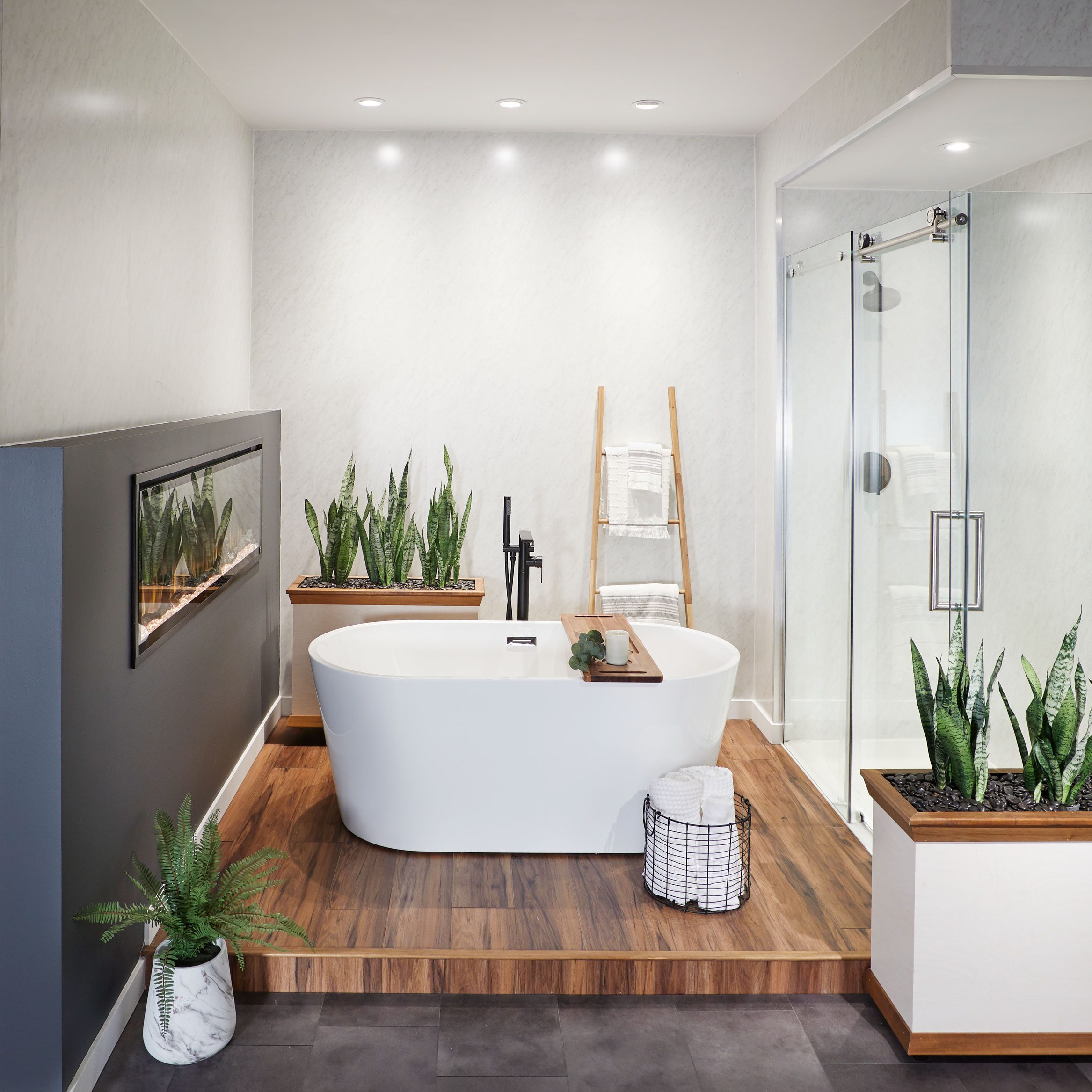
The modern home is no longer merely a shelter; it's a sanctuary, a personal retreat designed to nurture well-being and reflect individual identity. As the pace of life accelerates and the digital world increasingly dominates our attention, the desire for tranquility and simplicity within our living spaces has grown exponentially. This shift has profoundly influenced interior design, pushing aesthetics toward calming environments that prioritize comfort, functionality, and a connection to nature. The bathroom, traditionally a purely utilitarian space, has become a prime candidate for transformation, evolving into a personal spa where one can unwind, rejuvenate, and escape the stresses of the day. Creating a spa-like bathroom at home is about more than just adding a few luxurious fixtures; it's about curating an experience, designing a space that engages the senses and promotes a sense of peace and serenity.
The Evolution of Interior Aesthetics
Contemporary decor is characterized by a move away from ostentation and toward intentional simplicity. This shift is driven by a growing awareness of the impact of our consumption habits on the environment, as well as a desire to create spaces that are both beautiful and functional. Sustainability has become a key consideration, with designers and homeowners alike opting for eco-friendly materials and energy-efficient appliances. Purposeful design emphasizes creating spaces that meet the specific needs of the occupants, promoting well-being and enhancing daily life. This approach often involves decluttering, streamlining, and prioritizing quality over quantity. The focus is on creating a harmonious balance between form and function, resulting in interiors that are both aesthetically pleasing and deeply practical. The emphasis is not just on how a space looks, but also on how itfeelsand how it supports the lives of those who inhabit it.
Three Defining Styles of 2025
Looking ahead, several distinct styles are poised to shape the landscape of interior design. These styles, while unique in their expression, share a common thread: a commitment to creating spaces that are both beautiful and functional, promoting well-being and reflecting the individual personalities of their inhabitants.
Japandi Minimalism
Japandi is a hybrid style that seamlessly blends the principles of Japanese and Scandinavian design. It embraces the simplicity and functionality of Scandinavian minimalism with the warmth and natural elements of Japanese aesthetics. Key features include clean lines, neutral color palettes, and the use of natural materials such as wood, stone, and linen. The focus is on creating a serene and uncluttered space that promotes a sense of calm and tranquility.
Materiality*: Japandi interiors emphasize the use of sustainable and natural materials. Think light-toned woods like oak and ash, combined with natural stone accents.Washipaper screens can be reinterpreted as textured wall coverings, and linen textiles add a soft, tactile element.
Tonal Harmony*: Color palettes are typically muted, featuring soft grays, creams, and earthy tones. Accents of black or charcoal gray provide contrast and depth, while subtle pops of color inspired by nature, such as moss green or indigo blue, can add visual interest.
Spatial Rhythm*: Japandi design prioritizes open, flowing spaces with minimal clutter. Furniture is carefully selected for its functionality and aesthetic appeal, with an emphasis on pieces that are both comfortable and visually light.
Emotional Atmosphere*: The overall feeling of a Japandi space is one of serene simplicity. The clean lines, natural materials, and muted color palette create a calming and inviting atmosphere that promotes relaxation and well-being.
Revived Mid-Century Modern
Mid-Century Modern design, with its emphasis on clean lines, geometric shapes, and functional elegance, is experiencing a resurgence in popularity. This style celebrates the optimism and innovation of the post-war era, bringing a sense of playful sophistication to contemporary interiors. Today's interpretation of Mid-Century Modern often incorporates sustainable materials and updated color palettes, resulting in a look that is both timeless and contemporary.
Materiality*: Classic Mid-Century Modern materials like teak, walnut, and molded plywood are still popular, but updated versions often incorporate sustainable alternatives. Recycled materials and responsibly sourced wood are increasingly common choices.
Tonal Harmony*: While traditional Mid-Century Modern color palettes featured bold, saturated hues like avocado green and mustard yellow, contemporary interpretations often incorporate softer, more muted tones. Earthy greens, warm oranges, and shades of blue-gray are popular choices, creating a more sophisticated and livable feel.
Spatial Rhythm*: Mid-Century Modern design emphasizes open floor plans and a connection to the outdoors. Large windows and sliding glass doors bring natural light into the space, while carefully placed furniture creates distinct zones for living, dining, and relaxing.
Emotional Atmosphere*: The overall feeling of a Mid-Century Modern space is one of playful sophistication and optimistic energy. The clean lines, geometric shapes, and vibrant colors create a visually stimulating environment that is both comfortable and stylish.
Organic Wabi-Sabi
Wabi-Sabi is a Japanese aesthetic philosophy that celebrates the beauty of imperfection, impermanence, and authenticity. In interior design, this translates to spaces that embrace natural materials, irregular forms, and a sense of understated elegance. Wabi-Sabi interiors are characterized by their simplicity, rawness, and a deep connection to nature.
Materiality*: Wabi-Sabi design emphasizes the use of natural, unrefined materials. Think raw wood, unfinished stone, and handcrafted ceramics. Imperfections like cracks, knots, and variations in color are celebrated as signs of authenticity and character.
Tonal Harmony*: Color palettes are typically muted and earthy, reflecting the colors of nature. Browns, grays, greens, and creams are common choices, creating a sense of calm and tranquility.
Spatial Rhythm*: Wabi-Sabi interiors are often characterized by their simplicity and lack of ornamentation. Spaces are uncluttered and functional, with a focus on creating a sense of peace and quiet.
Emotional Atmosphere*: The overall feeling of a Wabi-Sabi space is one of quiet contemplation and acceptance. The imperfections and natural materials create a sense of warmth and authenticity, inviting you to slow down and appreciate the simple things in life.
Material, Texture & Color
The selection of materials, textures, and colors plays a crucial role in creating a spa-like bathroom. Current trends favor natural, sustainable materials that evoke a sense of warmth and tranquility. Raw wood, with its natural grain and texture, is a popular choice for vanities, shelving, and accent pieces. Linen, with its soft and breathable qualities, is ideal for towels, curtains, and bath mats. Ceramic tiles, in a variety of shapes, sizes, and textures, can add visual interest and create a calming atmosphere.
Texture is also an important consideration. Incorporating a variety of textures, such as smooth stone, rough-hewn wood, and soft linen, can create a more engaging and tactile experience. This can be achieved through the use of different materials, as well as through the application of different finishes.
Color palettes for spa-like bathrooms typically revolve around neutral tones, such as whites, creams, grays, and beiges. These colors create a sense of calm and serenity, allowing the mind to relax and unwind. Accents of blue, green, or other natural colors can add visual interest and create a connection to the outdoors. The key is to choose colors that are soothing and relaxing, avoiding anything that is too bright or stimulating.
Integration of Function & Technology
Modern bathroom design seamlessly integrates aesthetics with functionality, incorporating innovative technologies to enhance the user experience. Modular design allows for flexible and customizable layouts, adapting to the specific needs of the homeowner. Smart home integration enables control over lighting, temperature, and music, creating a personalized and immersive spa experience. Sustainable innovations, such as low-flow toilets and water-saving showerheads, help to conserve resources and reduce environmental impact.
Modular Design*: Modular vanities, shelving units, and storage systems offer flexibility and customization, allowing you to create a bathroom that perfectly fits your needs and preferences.
Smart Home Integration*: Smart lighting systems allow you to adjust the brightness and color temperature of your bathroom lights, creating the perfect ambiance for relaxation. Smart shower systems allow you to control the water temperature and pressure, as well as pre-set your preferred shower settings.
Sustainable Innovation*: Low-flow toilets and water-saving showerheads help to conserve water without sacrificing performance. LED lighting is energy-efficient and long-lasting, reducing your carbon footprint.
Creating a spa-like bathroom at home is an investment in personal well-being, a sanctuary where one can escape the stresses of modern life and reconnect with oneself. By embracing the principles of simplicity, sustainability, and thoughtful design, it's possible to transform a purely functional space into a haven of relaxation and rejuvenation. The integration of natural materials, soothing textures, and calming colors creates an atmosphere that engages the senses and promotes a sense of peace and tranquility. This commitment to both aesthetics and functionality ensures that the bathroom becomes a truly restorative and enriching part of the home.
The evolution of home decor continues, with each trend reflecting our changing lifestyles, values, and aspirations. The emphasis on creating spaces that are not only beautiful but also functional, sustainable, and conducive to well-being underscores the importance of the home as a personal sanctuary. The bathroom, once a purely utilitarian space, has emerged as a prime example of this transformation, offering an opportunity to create a spa-like retreat that nurtures both body and mind. As we move forward, home decor will undoubtedly continue to evolve, reflecting our ever-changing understanding of what it means to live well.
.jpg)

.jpg)
Comments
Post a Comment