How to Create a Zen Sleep Sanctuary on Any Budget
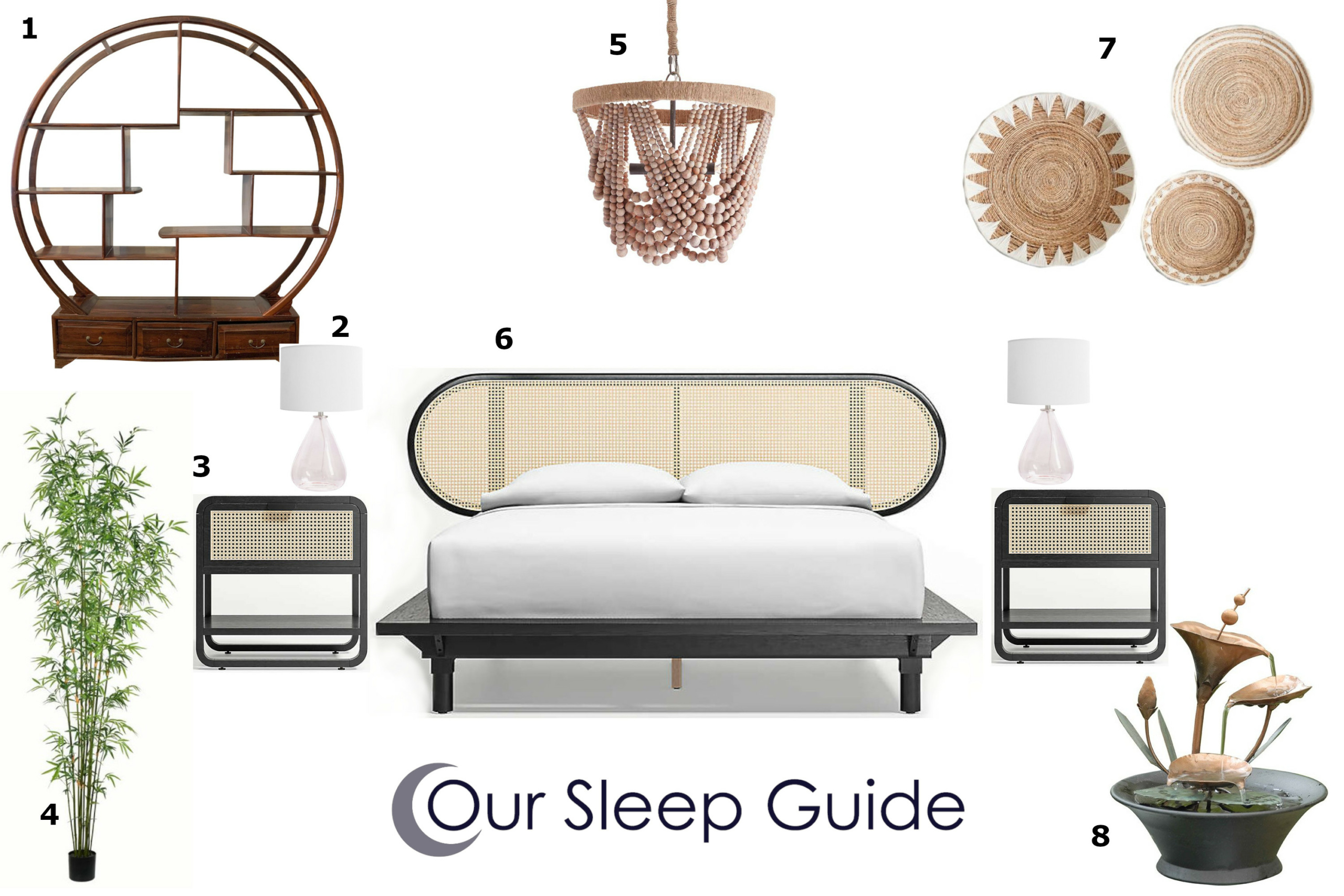
Creating a sleep sanctuary goes beyond simply decorating a room; it's about curating an environment that fosters tranquility and prepares the mind and body for restful slumber. In today's fast-paced world, the bedroom has become a multi-functional space, often serving as an office, entertainment center, and even a dining area. However, reclaiming the bedroom as a dedicated haven for sleep is crucial for overall well-being. Fortunately, crafting a Zen sleep sanctuary doesn't require a hefty investment. It’s more about mindful choices and strategic adjustments to your existing space, regardless of your budget.
The Evolution of Interior Aesthetics
The way people decorate homes has undergone a significant transformation, especially when it comes to creating spaces for relaxation and rest. Gone are the days of cluttered, ornate bedrooms filled with distractions. Today, the focus is on simplicity, sustainability, and designs that serve a purpose. This evolution reflects a growing awareness of the impact that our surroundings have on our mental and emotional health. Interior design is no longer just about aesthetics; it's about creating environments that support well-being and promote a sense of calm. This shift can be seen in the increasing popularity of minimalist designs, natural materials, and soothing color palettes, all of which contribute to a more serene and restorative atmosphere. This contemporary approach also embraces the concept ofbiophilic design, incorporating elements of nature to enhance the connection with the outdoors and foster a sense of tranquility.
Three Defining Styles
Several distinct styles have emerged as frontrunners in the pursuit of creating calming and restorative interior spaces. These styles, while unique in their approach, share a common thread: a focus on simplicity, natural elements, and a sense of harmony.
Japandi Minimalism
Japandi, a fusion of Japanese and Scandinavian design philosophies, embodies the essence of Zen living. It combines the warmth and rustic charm of Scandinavian hygge with the sleek lines and minimalist aesthetic of Japanese design. Key features include: Materiality: Natural materials like light wood, bamboo, and linen are prominent. These materials create a sense of warmth and connection to nature. Tonal Harmony: A neutral color palette with soft, muted tones of grey, beige, and white is characteristic. Accents of natural greens and blues can be added sparingly. Spatial Rhythm: Emphasizes clean lines, decluttered spaces, and functional furniture. The goal is to create a sense of spaciousness and order. Emotional Atmosphere: Creates a serene and calming environment through simplicity and understated elegance.
Today, Japandi is being reinterpreted with a focus on sustainable practices. Designers are increasingly incorporating reclaimed wood, recycled materials, and eco-friendly fabrics to align with environmentally conscious lifestyles.
Revived Mid-Century Modern
While initially known for its bold colors and geometric patterns, Mid-Century Modern has undergone a revival with a focus on functionality and warmth. The revived aesthetic emphasizes: Materiality: Teak, walnut, and other warm woods are used extensively. Fabrics like wool and velvet add a touch of luxury. Tonal Harmony: A color palette featuring warm neutrals like beige, brown, and cream is complemented by pops of muted colors like olive green, mustard yellow, and burnt orange. Spatial Rhythm: Clean lines, organic shapes, and functional furniture are hallmarks of this style. Furniture is often low-slung and emphasizes horizontal lines. Emotional Atmosphere: Creates a sense of nostalgia and comfort through its warm color palette and familiar forms.
Contemporary interpretations of Mid-Century Modern often incorporate modern technology and sustainable materials. Smart lighting systems and energy-efficient appliances can be seamlessly integrated into the design.
Organic Wabi-Sabi
Wabi-Sabi embraces imperfection and transience, celebrating the beauty of natural aging and the uniqueness of handmade objects. It emphasizes: Materiality: Raw, unfinished materials like wood, stone, clay, and linen are central to this style. The imperfections and natural variations in these materials are celebrated. Tonal Harmony: A muted color palette inspired by nature, featuring earthy tones like brown, grey, green, and beige. Spatial Rhythm: Embraces asymmetry and irregularity. The focus is on creating a space that feels authentic and unpretentious. Emotional Atmosphere: Cultivates a sense of peace, acceptance, and appreciation for the simple things in life.
Contemporary interpretations of Wabi-Sabi often incorporate elements of mindfulness and meditation. Dedicated spaces for relaxation and reflection are incorporated into the design. This style champions the repurposing of found objects and antiques, promoting sustainability and reducing waste.
Material, Texture & Color
The selection of materials, textures, and colors plays a vital role in establishing a Zen sleep sanctuary. Opting for natural materials helps bring the calming influence of the outdoors inside. Raw wood, with its unique grain patterns and warm tones, creates a sense of connection to nature. Linen, with its soft and breathable texture, is an excellent choice for bedding and curtains, promoting comfort and relaxation. Ceramic accents, such as lamps or vases, add a touch of organic beauty.
Texture is equally important. Layering different textures creates depth and visual interest, making the space feel more inviting. Consider adding a soft wool rug, a textured throw blanket, or woven baskets for storage.
Color plays a significant role in setting the mood. Current trends favor warm and clear color palettes that evoke a sense of calm and serenity. Soft neutrals like off-white, beige, and grey are excellent choices for walls and larger furniture pieces. Adding subtle pops of color through accessories, such as cushions or artwork, can create visual interest without disrupting the overall sense of tranquility. Earthy tones like sage green, sky blue, and muted rose can also be incorporated to create a soothing and relaxing atmosphere.
Integration of Function & Technology
Modern decor increasingly focuses on merging aesthetics with functionality. Modular design, smart home integration, and sustainable innovation are all key aspects of this trend.
Modular furniture offers versatility and flexibility, allowing you to adapt your space to your changing needs. Consider a modular sofa that can be easily reconfigured or a set of nesting tables that can be pulled out when needed and stored away when not in use.
Smart home technology can also play a role in creating a Zen sleep sanctuary. Smart lighting systems allow you to adjust the brightness and color temperature of your lights to create a relaxing atmosphere. Smart thermostats can help regulate the temperature in your bedroom, ensuring a comfortable sleeping environment. Sound machines or white noise generators can help block out distracting sounds and promote deeper sleep.
Sustainability is another important consideration. Opt for eco-friendly materials and energy-efficient appliances. Choose furniture made from sustainably sourced wood, bedding made from organic cotton, and lighting fixtures that use LED bulbs. By making conscious choices, you can create a sleep sanctuary that is not only beautiful and functional but also environmentally responsible.
In conclusion, the future of home decor is evolving into an evolving narrative of personal identity and cultural influence. The desire for peaceful and restorative environments is increasing, driving the trend toward mindful design and sustainable practices. By incorporating elements of Japandi minimalism, revived Mid-Century Modern, and organic Wabi-Sabi, anyone can create a Zen sleep sanctuary that promotes well-being and enhances the quality of sleep. Remember, it’s not about achieving perfection, but about creating a space that feels authentic, comfortable, and conducive to relaxation.
.jpg)

.jpg)
Comments
Post a Comment