I Tried Minimalist Decor for a Week — Here's What Happened
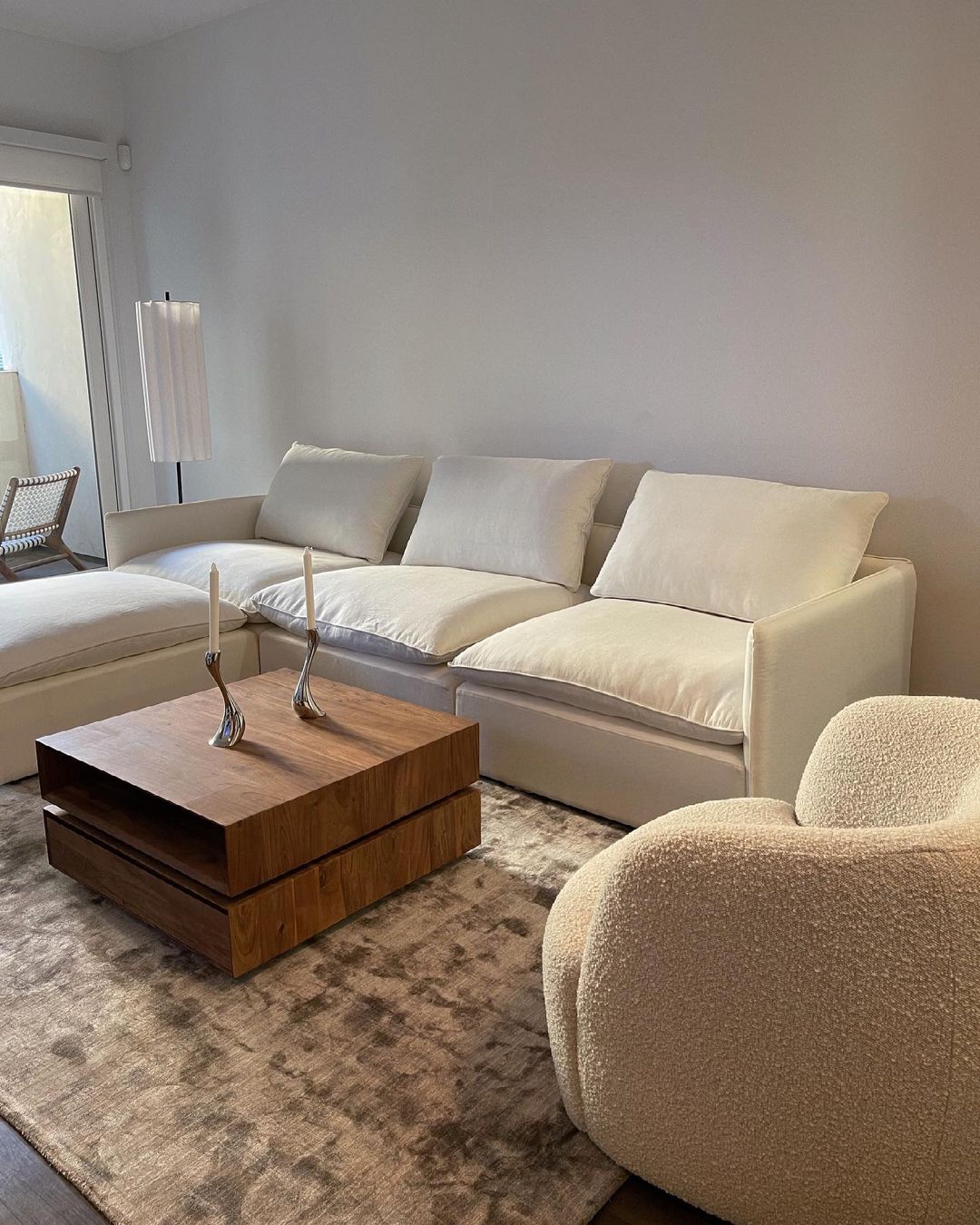
The way people interact with their homes has fundamentally changed. No longer simply a place to eat and sleep, the home is now a sanctuary, an office, a gym, and a reflection of individual identity. As the pace of life accelerates and the digital world encroaches, the desire for calm, uncluttered spaces has grown. The rise of minimalist decor, with its emphasis on simplicity, functionality, and mindful living, reflects this deeper cultural shift. But is it truly a transformative experience, or just another fleeting trend? Exploring minimalist decor is about discovering how to curate a space that supports well-being and enhances daily life.
The Evolution of Interior Aesthetics
Contemporary decor mirrors a broader cultural movement that prizes simplicity, sustainability, and intention. Gone are the days of excessive ornamentation and cluttered spaces. Instead, the focus has shifted to creating environments that promote tranquility and reflect a deep connection to the natural world. This evolution stems from a growing awareness of the environmental impact of consumerism and a desire to live more consciously. Minimalist decor, in its various forms, answers this call by advocating for thoughtful consumption, quality over quantity, and a mindful approach to design. It's about more than just aesthetics; it's a lifestyle choice that promotes well-being and a deeper appreciation for the things that truly matter. The trends now surfacing are more of a modern interpretation of foundational principles, and a shift away from harsh sterile aesthetics.
Three Defining Styles of 2025
While the core principles of minimalism remain constant, different interpretations of the style are emerging, each with its unique character and appeal. Japandi minimalism, revived mid-century modern, and organic Wabi-Sabi are three prominent styles that are shaping the landscape of interior design in 2025.
Japandi Minimalism
Japandi is a hybrid style that fuses Japanesewabi-sabiprinciples with Scandinavian functionality. It combines the clean lines and neutral palettes of Scandinavian design with the Japanese appreciation for natural materials andimperfection. The result is a space that is both aesthetically pleasing and deeply calming.
Key Features: Materiality: The use of natural materials is paramount in Japandi design. Think raw wood, bamboo, linen, and paper. These materials add warmth and texture to the space, creating a sense of connection to the natural world. Tonal Harmony: Japandi palettes typically revolve around neutral colors, such as white, beige, and gray, with accents of black or navy blue. This creates a serene and harmonious atmosphere. Spatial Rhythm: Japandi design emphasizes open spaces and uncluttered surfaces. Furniture is carefully selected and arranged to create a sense of flow and balance. Emotional Atmosphere: The overall emotional atmosphere of a Japandi space is one of tranquility and peace. It's a place where people can relax and reconnect with themselves.
Practical Insight:
To incorporate Japandi minimalism into a home, begin by decluttering and getting rid of unnecessary items. Focus on bringing in natural materials, such as wooden furniture and linen textiles. Use a neutral color palette and add pops of color with plants or art.
Revived Mid-Century Modern
Mid-century modern design, characterized by its clean lines, organic shapes, and functionality, is experiencing a resurgence in popularity. This revival reflects a desire for simpler times and a renewed appreciation for well-designed, timeless pieces. However, this revival is taking on a new life with a warmer approach.
Key Features: Materiality: Mid-century modern design often features materials like wood (especially teak and walnut), metal, and glass. These materials are used to create sleek and durable furniture pieces. Tonal Harmony: Mid-century modern palettes are typically warm and inviting, with earth tones, such as brown, orange, and yellow. Accents of blue or green are often used to add visual interest. Spatial Rhythm: Mid-century modern design emphasizes open floor plans and a sense of connection between indoor and outdoor spaces. Furniture is arranged to encourage conversation and interaction. Emotional Atmosphere: Mid-century modern spaces are often described as being stylish, comfortable, and inviting. They evoke a sense of nostalgia and optimism.
Practical Insight:
To incorporate revived mid-century modern decor, search for vintage furniture pieces or reproductions. Focus on finding pieces with clean lines and organic shapes. Use a warm color palette and add pops of color with textiles or accessories. Accessorize with retro-inspired artwork and lighting.
Organic Wabi-Sabi
Wabi-Sabi is a Japanese philosophy that embracesimperfectionand transience. In interior design, this translates into spaces that are raw, natural, and unpretentious. Organic Wabi-Sabi is a style that focuses on using natural materials and textures to create a space that feels authentic and grounded.
Key Features: Materiality: Organic Wabi-Sabi design relies heavily on natural materials, such as wood, stone, clay, and linen. These materials are often left in their raw state, with imperfections and natural variations celebrated. Tonal Harmony: Wabi-Sabi palettes are typically muted and earthy, with colors like brown, gray, and beige. These colors reflect the natural world and create a sense of calm. Spatial Rhythm: Organic Wabi-Sabi design emphasizes simplicity and asymmetry. Furniture is arranged in a way that feels natural and unforced. Emotional Atmosphere: The emotional atmosphere of a Wabi-Sabi space is one of peace, acceptance, and humility. It's a place where one can appreciate the beauty ofimperfectionand find solace in the simplicity of nature.
Practical Insight:
To incorporate organic Wabi-Sabi decor, start by embracingimperfection. Don't strive for perfect symmetry or flawless surfaces. Instead, focus on bringing in natural materials and textures. Use a muted color palette and add warmth with candles or plants.
Material, Texture & Color
The selection of materials, textures, and colors plays a crucial role in creating a minimalist space that feels warm, inviting, and visually appealing. Current trends favor natural materials with tactile qualities and color palettes that evoke both clarity and comfort.
Materials: Raw wood, such as reclaimed timber and unfinished plywood, is increasingly popular for its warmth and natural beauty. Linen, with its soft texture and subtle drape, is a favorite choice for upholstery, curtains, and bedding. Ceramic, in its various forms, adds an element of handcrafted elegance to the space, whether in the form of vases, tableware, or tiles.
Textures: Layering different textures is a key element in creating depth and visual interest in a minimalist space. Think of combining smooth surfaces, such as polished concrete, with rougher textures, such as woven baskets or knitted throws. This creates a tactile experience that engages the senses and adds warmth to the room.
Color Palettes: The color palettes currently trending are based on natural tones that evoke a sense of calm and serenity. Soft whites, warm grays, and earthy browns are the foundation of many minimalist spaces. Accents of muted blues, greens, or pinks can be used to add a touch of personality and visual interest.
Integration of Function & Technology
Modern decor prioritizes the seamless integration of aesthetics and functionality. Spaces should be not only beautiful but also practical and adaptable to the needs of contemporary lifestyles. This integration extends to the incorporation of technology, sustainable practices, and modular design.
Modular Design: Modular furniture and storage systems are becoming increasingly popular for their versatility and space-saving potential. These systems allow people to customize their living spaces to suit their specific needs and preferences.
Smart Home Integration: Technology is being integrated into homes in subtle and seamless ways. Smart lighting systems, voice-controlled assistants, and automated blinds are just a few examples of how technology can enhance comfort and convenience.
Sustainable Innovation: Sustainability is a driving force behind many design decisions. Designers are increasingly using eco-friendly materials, such as recycled plastic and bamboo, and incorporating energy-efficient appliances and lighting systems into their projects.
Ultimately, the most successful decor is a reflection of personal identity and cultural influence. It's about curating a space that tells a story and promotes well-being. As design trends evolve, one should strive to create a home that is both stylish and deeply personal.
.jpg)

.jpg)
Comments
Post a Comment