Kitchen Decor Mistakes You’re Probably Making (And How to Fix Them)
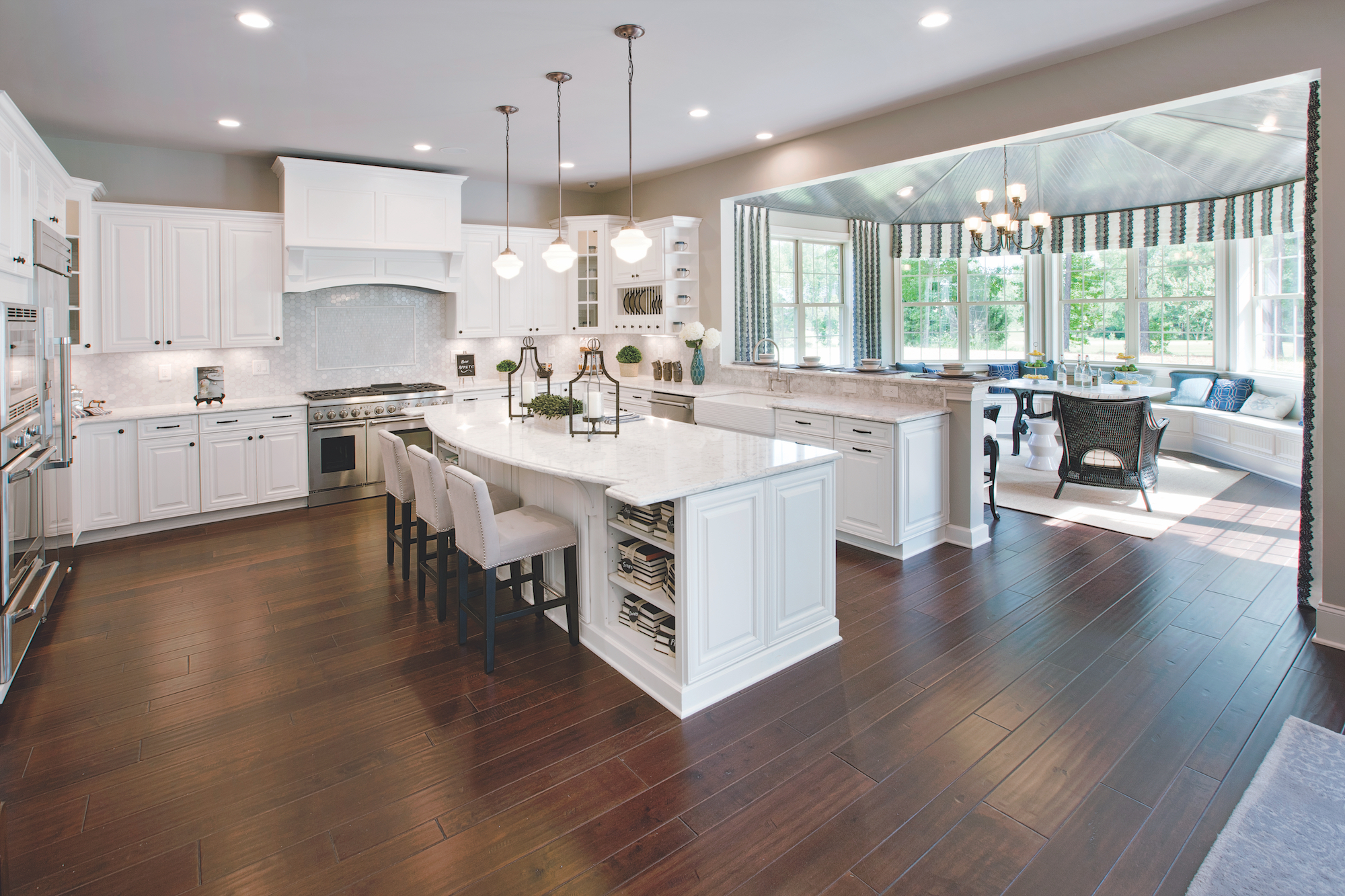
The modern kitchen is more than just a place to prepare meals; it's the heart of the home. It's where families gather, friends connect, and memories are made. However, creating a kitchen that is both functional and aesthetically pleasing can be a challenge. Many homeowners inadvertently make decor mistakes that detract from the overall look and feel of their space. This article delves into common kitchen decor pitfalls and offers practical solutions to transform your kitchen into a stylish and efficient haven.
The Evolution of Interior Aesthetics
Contemporary decor reflects a profound shift in how individuals interact with their living spaces. Simplicity, sustainability, and purposeful design have become guiding principles, moving away from excessive ornamentation and towards creating environments that promote well-being and reflect personal values. This evolution is a response to the fast-paced nature of modern life, where homes serve as sanctuaries, offering respite and a sense of groundedness. We now seek designs that are not only visually appealing but also emotionally resonant, fostering comfort, connection, and a deeper appreciation for the everyday moments spent within these spaces.
Three Defining Styles of 2025
Several distinct design styles are shaping the landscape of interior aesthetics in 2025, each offering a unique approach to creating harmonious and inviting spaces.
Japandi Minimalism
Japandi is a hybrid style that seamlessly blends the clean lines and functionality of Scandinavian design with the warmth and natural elements of Japanese aesthetics. This fusion creates a serene and uncluttered environment, characterized by minimalist furniture, natural materials like wood and bamboo, and a neutral color palette with subtle pops of color.
Key features
Materiality:Emphasis on natural, sustainable materials such as light-toned wood, bamboo, linen, and handcrafted ceramics. Tonal Harmony:Predominantly neutral color palettes with soft grays, whites, and earthy tones, accented by muted blues, greens, or blush pinks. Spatial Rhythm:Open, airy spaces with minimal clutter, strategically placed furniture to maximize flow and functionality. Emotional Atmosphere:Tranquil and calming, promoting a sense of serenity and connection to nature.
In contemporary interpretations, Japandi is often infused with modern technology and smart storage solutions to enhance functionality without compromising its minimalist aesthetic. Designers are also experimenting with textures and subtle patterns to add depth and visual interest to the otherwise restrained palette.
Revived Mid-Century Modern
Mid-Century Modern design continues to be a popular choice, celebrated for its timeless appeal and iconic silhouettes. However, the revived version of this style incorporates a greater emphasis on sustainability and personalization. It features clean lines, organic shapes, and a focus on functionality, but with a modern twist.
Key features
Materiality:Use of durable materials such as wood (walnut, teak), metal, and glass, with a focus on retro-inspired patterns and textures. Tonal Harmony:Warm and inviting color schemes with pops of vibrant colors like mustard yellow, teal, and burnt orange, balanced by natural wood tones. Spatial Rhythm:Open floor plans with a seamless connection to the outdoors, emphasizing natural light and airy spaces. Emotional Atmosphere:Nostalgic and playful, creating a sense of comfort and connection to the past while remaining contemporary.
Today's Mid-Century Modern revival incorporates sustainable materials and energy-efficient appliances, reflecting a growing awareness of environmental responsibility. Personalization is also key, with homeowners incorporating vintage finds, handcrafted pieces, and unique artwork to create a space that reflects their individual style and personality.
Organic Wabi-Sabi
Wabi-Sabi embraces the beauty of imperfection and celebrates the authenticity of natural materials. This style emphasizes the unique character of each object, valuing asymmetry, simplicity, and the passage of time. It seeks to create spaces that are raw, honest, and deeply connected to nature.
Key features
Materiality:Emphasis on raw, unfinished materials such as reclaimed wood, stone, clay, and natural fibers like linen and cotton. Tonal Harmony:Earthy and muted color palettes with natural tones, inspired by the landscape and the aging process. Spatial Rhythm:Minimalist spaces with a focus on functionality and contemplation, allowing the beauty of individual objects to shine. Emotional Atmosphere:Serene and grounding, fostering a sense of acceptance, authenticity, and appreciation for the imperfect nature of life.
Contemporary interpretations of Wabi-Sabi often incorporate sustainable practices, such as using recycled materials and minimizing waste. Designers are also experimenting with texture and layering to create depth and visual interest, celebrating the beauty of imperfection and the unique character of each element in the space.
Material, Texture & Color
Current trends in kitchen design emphasize the use of materials, textures, and colors that evoke warmth, clarity, and a connection to nature. Raw wood, such as reclaimed barn wood or sustainably sourced hardwoods, is a popular choice for cabinetry, countertops, and flooring, adding a touch of rustic charm and natural beauty. Linen, with its soft texture and natural variations, is used for window treatments, upholstery, and decorative accents, creating a sense of comfort and ease. Ceramic tiles, with their artisanal feel and tactile appeal, are used for backsplashes, flooring, and decorative elements, adding a touch of handcrafted elegance.
Color palettes are shifting towards earthy and muted tones, reflecting a desire for calm and grounding. Warm neutrals, such as creamy whites, soft grays, and sandy beiges, provide a versatile backdrop for bolder accents. Earthy greens, such as sage, olive, and forest green, bring a sense of nature indoors, while warm browns, such as terracotta and rust, add depth and richness. Pops of muted blues, such as dusty blue and slate blue, create a sense of serenity and sophistication.
Textures are also playing an increasingly important role in kitchen design. Rough-hewn wood, exposed brick, and textured tiles add visual interest and tactile appeal. Layering different textures, such as pairing smooth countertops with textured backsplashes, creates depth and dimension. The use of natural materials with inherent textures, such as woven baskets, linen fabrics, and ceramic vases, adds warmth and character to the space.
Integration of Function & Technology
Modern kitchen decor seamlessly merges aesthetics with functionality, creating spaces that are not only visually appealing but also highly efficient and user-friendly. Modular design is gaining popularity, allowing homeowners to customize their kitchen layout to suit their specific needs and preferences. Modular cabinets, countertops, and islands can be easily reconfigured or rearranged, providing flexibility and adaptability.
Smart home integration is also transforming the kitchen experience. Smart appliances, such as refrigerators with built-in touchscreens, ovens with voice control, and dishwashers with automated cycles, streamline cooking and cleaning tasks. Smart lighting systems allow homeowners to adjust the lighting levels and color temperature to create different moods and enhance energy efficiency. Smart storage solutions, such as pull-out shelves and drawer organizers, maximize space and improve organization.
Sustainable innovation is another key trend in kitchen design. Energy-efficient appliances, such as induction cooktops and LED lighting, reduce energy consumption and lower utility bills. Water-saving fixtures, such as low-flow faucets and dishwashers, conserve water and reduce environmental impact. The use of recycled materials, such as recycled glass countertops and reclaimed wood cabinets, promotes sustainability and reduces waste.
The kitchen of the future is a seamless integration of aesthetics, functionality, and technology, creating a space that is both beautiful and efficient. It is a place where homeowners can cook, entertain, and connect with loved ones in a comfortable and sustainable environment.
In conclusion, the future of home decor is an evolving narrative of personal identity and cultural influence. As individuals become more attuned to their emotional needs and environmental responsibilities, they seek designs that reflect their values and aspirations. The kitchen, as the heart of the home, plays a central role in this evolution, becoming a space that is not only functional but also aesthetically pleasing, technologically advanced, and deeply personal.
.jpg)

.jpg)
Comments
Post a Comment