Minimalist Bathrooms Are Out — Here’s What’s In
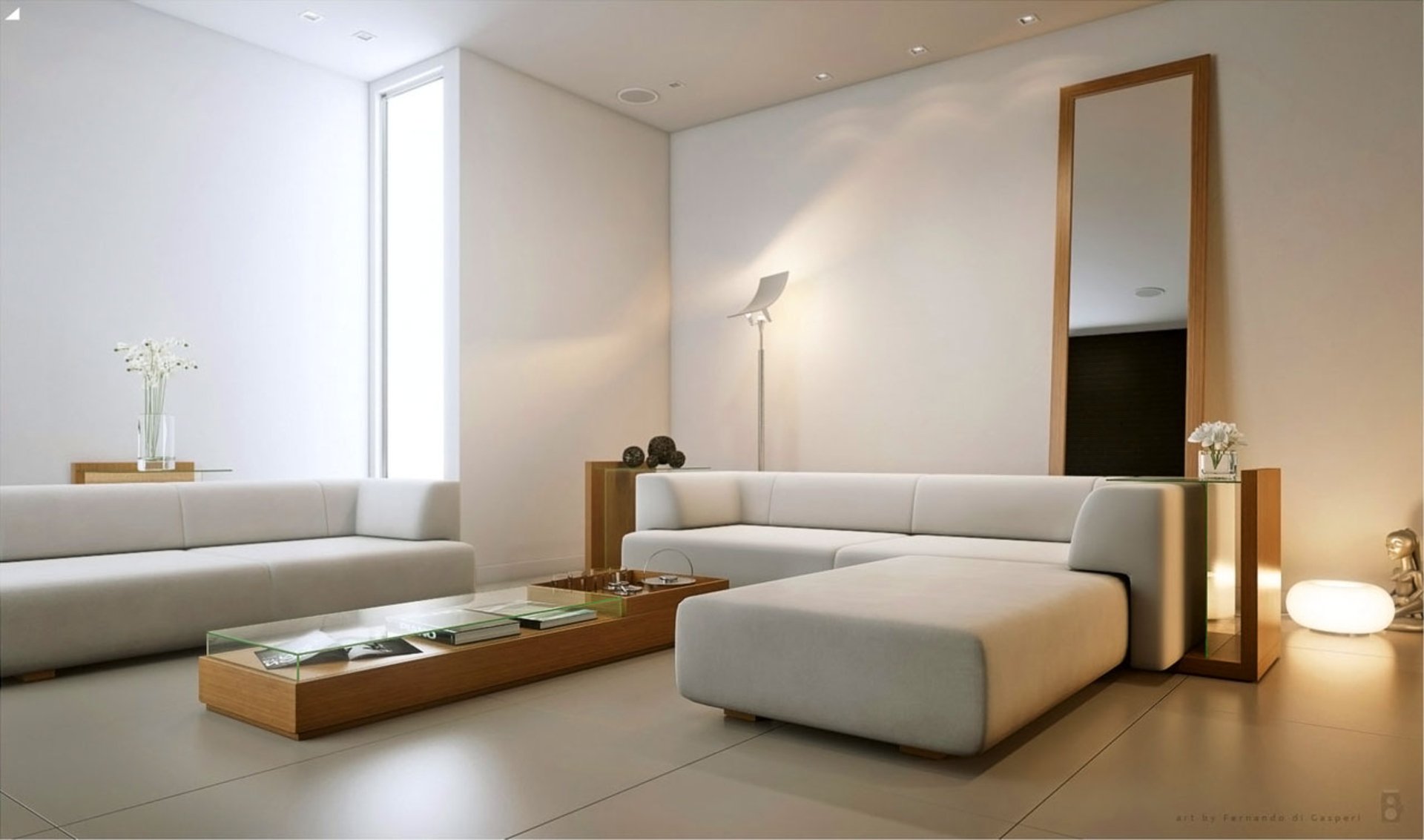
The home has always been more than just a shelter; it's a sanctuary, a mirror reflecting our inner selves. As lifestyles evolve, so too does our approach to interior spaces. We're no longer content with mere functionality; we crave environments that nurture, inspire, and resonate with our souls. This shift has significant implications for how we design and decorate, especially in intimate spaces like the bathroom. The stark, clinical aesthetics of minimalist bathrooms, once the epitome of modern chic, are making way for designs that embrace warmth, texture, and a touch of personality. The era of sterile simplicity is fading, replaced by an embrace of layered elegance and intentional design.
The Evolution of Interior Aesthetics
Contemporary decor reflects a broader societal shift towards simplicity, sustainability, and a more purposeful approach to design. Over the past decade, minimalism reigned supreme, advocating for decluttered spaces and a pared-down lifestyle. However, as we navigate an increasingly complex world, there's a growing desire for homes that offer comfort, refuge, and a sense of connection to nature and our own identities. This translates into interiors that are less about adhering to rigid principles and more about creating personalized havens. Sustainability is no longer a trend but a core value, influencing material choices and design philosophies. Purposeful design considers not only aesthetics but also functionality and the impact of our choices on the environment.
Three Defining Styles of 2025
While minimalist bathrooms may be waning, a variety of styles are emerging to take their place, each offering a unique approach to creating a serene and inviting bathroom space. Three styles stand out as particularly influential in 2025: Japandi Minimalism, Revived Mid-Century Modern, and Organic Wabi-Sabi.
Japandi Minimalism
Japandi is a hybrid style that combines the clean lines of Scandinavian design with the warmth and natural elements of Japanese aesthetics. It celebrates simplicity and functionality but infuses it with a deeper sense of tranquility and connection to nature.
Key Features: Materiality*: Japandi bathrooms feature natural materials such as light wood (birch, ash), bamboo, and stone. These materials are often left in their natural state or treated with subtle finishes to highlight their inherent beauty. Tonal Harmony*: The color palette is typically muted and earthy, with shades of white, gray, beige, and soft greens dominating. Accents of black or charcoal gray add a touch of contrast. Spatial Rhythm*: Japandi emphasizes creating a sense of calm and order through carefully curated spaces and intentional placement of objects. Decluttering is essential, but unlike stark minimalism, Japandi allows for a few carefully chosen decorative elements, such as a bonsai tree or a handcrafted ceramic vase. Emotional Atmosphere*: The goal is to create a serene and peaceful atmosphere, fostering a sense of well-being and connection to nature. Warm lighting, soft textures, and natural fragrances contribute to this feeling.
Practical Insight: In contemporary interpretations, Japandi is evolving beyond a strict adherence to its core principles. Designers are incorporating subtle pops of color, such as a dusty rose or a muted teal, to add personality. They're also experimenting with different wood tones and textures to create more visual interest.
Revived Mid-Century Modern
Mid-Century Modern design, with its emphasis on clean lines, organic shapes, and a sense of optimism, is experiencing a resurgence in popularity. However, the revived Mid-Century Modern aesthetic incorporates a more contemporary sensibility, blending classic elements with modern materials and technologies.
Key Features: Materiality*: Key materials include wood (especially teak and walnut), glass, and metal. Furniture often features tapered legs and geometric shapes. Tonal Harmony*: Color palettes range from earthy tones (avocado green, mustard yellow, burnt orange) to bolder hues (turquoise, coral). The use of geometric patterns and contrasting colors is common. Spatial Rhythm*: Mid-Century Modern bathrooms prioritize functionality and flow. Open layouts and clean lines create a sense of spaciousness. Emotional Atmosphere*: The style evokes a sense of nostalgia and optimism, creating a welcoming and cheerful atmosphere.
Practical Insight: Today's Mid-Century Modern bathrooms are often integrated with smart home technology, such as voice-controlled lighting and temperature, seamlessly blending retro aesthetics with modern convenience. Sustainability is also a key consideration, with designers opting for eco-friendly materials and energy-efficient fixtures.
Organic Wabi-Sabi
Wabi-Sabi is a Japanese philosophy that embraces imperfection, impermanence, and the beauty of natural materials. In the context of bathroom design, it translates into spaces that are raw, textured, and celebrate the unique character of each element.
Key Features: Materiality*: Natural materials such as stone, wood, clay, and linen are central to the Wabi-Sabi aesthetic. These materials are often left in their raw or unfinished state, showcasing their natural textures and imperfections. Tonal Harmony*: The color palette is muted and earthy, with shades of gray, beige, brown, and white dominating. Subtle variations in tone and texture add depth and visual interest. Spatial Rhythm*: Wabi-Sabi bathrooms prioritize a sense of tranquility and connection to nature. Spaces are often uncluttered and feature natural light. Imperfections are embraced, and asymmetry is celebrated. Emotional Atmosphere*: The style evokes a sense of calm, simplicity, and acceptance. It encourages us to appreciate the beauty of imperfection and to find contentment in the present moment.
Practical Insight: Implementing Wabi-Sabi principles in a bathroom requires a mindful approach. Avoid striving for perfect symmetry or flawless finishes. Instead, embrace the unique character of each element and create a space that feels authentic and lived-in. Consider incorporating natural elements such as plants or stones to further enhance the connection to nature.
Material, Texture & Color
Current trends in bathroom materials, textures, and color palettes reflect a desire for warmth, tactility, and connection to nature.
Materials: Raw wood, particularly reclaimed wood with visible grain and knots, is increasingly popular. Linen, with its natural texture and breathability, is used for towels, curtains, and even wall coverings. Ceramic tiles, especially handcrafted tiles with subtle variations in color and texture, add a touch of artisanal charm. Natural stone, such as marble, granite, and slate, brings a sense of luxury and grounding to the space.
Textures: Tactile textures are key to creating a sense of warmth and depth in the bathroom. Think of rough-hewn wood, textured tiles, nubby linens, and woven baskets. Combining different textures adds visual interest and creates a more inviting atmosphere.
Color Palettes: Warm and inviting color palettes are replacing the stark whites and grays of minimalist bathrooms. Earthy tones, such as beige, brown, and terracotta, create a sense of grounding and connection to nature. Muted greens and blues evoke a sense of tranquility and calm. Accents of warm metals, such as brass and copper, add a touch of luxury and sophistication.
Integration of Function & Technology
Today's bathrooms are not just about aesthetics; they also need to be functional and technologically advanced. Decor merges seamlessly with functionality through modular design, smart home integration, and sustainable innovation.
Modular Design: Modular bathroom furniture and fixtures offer flexibility and customization, allowing homeowners to create spaces that perfectly suit their needs and preferences. Modular vanities, shelving units, and shower systems can be easily rearranged or reconfigured to adapt to changing lifestyles.
Smart Home Integration: Smart home technology is transforming the way we use our bathrooms. Voice-controlled lighting, temperature, and water flow provide added convenience and comfort. Smart mirrors with built-in displays offer access to information and entertainment. Smart toilets with automatic flushing and bidet functions enhance hygiene and comfort.
Sustainable Innovation: Sustainable design is no longer a luxury but a necessity. Water-saving fixtures, such as low-flow toilets and showerheads, help conserve resources. Energy-efficient lighting, such as LED bulbs, reduces energy consumption. Recycled and sustainable materials, such as bamboo, cork, and reclaimed wood, minimize environmental impact.
As bathroom design moves away from the cold, clinical aesthetic of minimalism, it embraces a more humanistic approach. Materials, textures, and colors are carefully chosen to create a sense of warmth, comfort, and connection to nature. Functionality is seamlessly integrated with aesthetics through modular design, smart home technology, and sustainable innovation.
The future of home decor lies in creating spaces that are not only beautiful but also functional, sustainable, and reflective of our individual personalities and values. It’s about curating environments that tell our stories and provide a sanctuary from the stresses of modern life. The modern bathroom isn't just a utilitarian space; it's a personal retreat, a place to unwind, recharge, and reconnect with oneself.
.jpg)

.jpg)
Comments
Post a Comment