Small Bathroom? Use These Genius Design Hacks
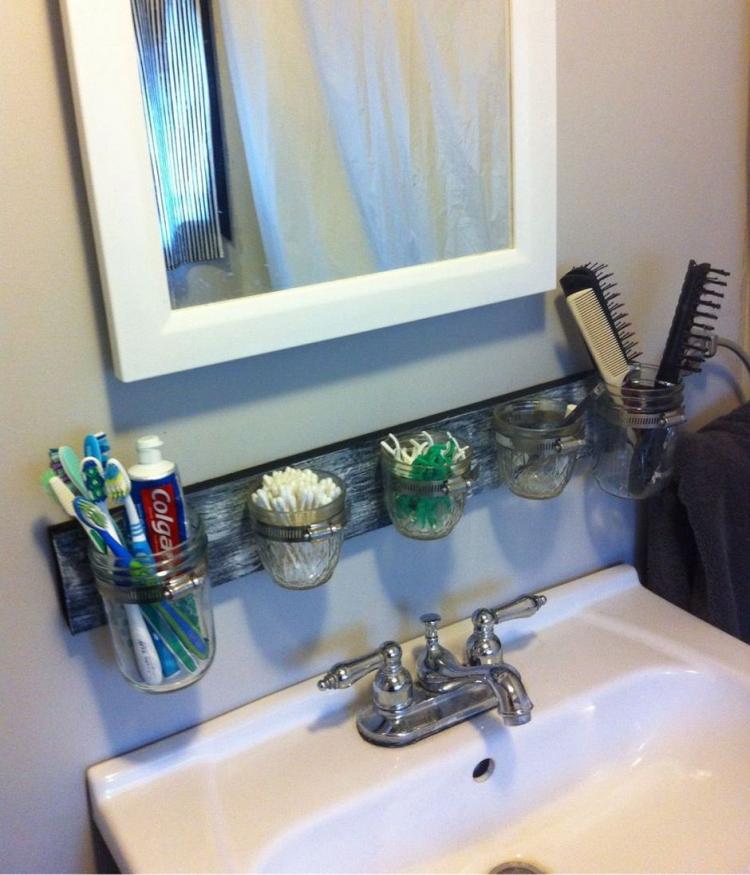
The essence of home has transformed. It's no longer merely a shelter but a canvas reflecting personal narratives and responding to the rhythm of modern life. Interior spaces, particularly those smaller havens like the bathroom, are undergoing a metamorphosis, adapting to the need for serenity, efficiency, and style within limited square footage. The focus has shifted from mere functionality to creating a sanctuary, a place where design ingenuity meets personal well-being. Clever solutions, strategic layouts, and a keen eye for detail are essential in transforming a compact bathroom into a luxurious and functional retreat.
The Evolution of Interior Aesthetics
Contemporary décor is marked by a profound shift towards simplicity, sustainability, and purposeful design. Gone are the days of clutter and excess. Today's homeowner seeks environments that promote tranquility and reflect an eco-conscious lifestyle. This translates into spaces that are thoughtfully curated, emphasizing quality over quantity, and showcasing materials that are both aesthetically pleasing and environmentally responsible. We are witnessing a move away from fleeting trends toward enduring styles that embrace natural elements and timeless appeal. The rise of minimalism, the resurgence of mid-century modern, and the embrace of organic imperfection all point to a desire for authenticity and connection within the home. The modern home is a sanctuary, reflecting a desire for wellness and personal expression.
Three Defining Styles of 2025
Several key styles are shaping the landscape of interior design, each offering a unique approach to creating harmonious and functional spaces. Let's explore three prominent trends set to define the decor of 2025: Japandi Minimalism, Revived Mid-Century Modern, and Organic Wabi-Sabi.
Japandi Minimalism
Japandi is a hybrid style blending the clean, functional aesthetic of Scandinavian design with the serene, natural elements of Japanese interiors. It is defined by its materiality, tonal harmony, spatial rhythm, and emotional atmosphere.
Materiality: Natural materials like light woods (oak, birch), bamboo, and stone are prevalent. Texture is key, with linen, cotton, and woven elements adding depth.
Tonal Harmony: The color palette typically consists of neutral tones such as whites, creams, grays, and muted blues and greens, accented with earthy browns and blacks.
Spatial Rhythm: Japandi emphasizes open spaces, clean lines, and a sense of calm. Clutter is minimized, and each object is carefully chosen for both its beauty and functionality. The spatial arrangement seeks to create a sense of peace and balance.
Emotional Atmosphere: The style evokes a sense of tranquility, warmth, and connection to nature. It encourages mindfulness and a appreciation for simple pleasures.
In the context of a small bathroom, Japandi translates into streamlined storage solutions, a minimalist vanity with clean lines, a simple soaking tub, and natural light. Imagine a small bathroom clad in light wood paneling, complemented by a textured concrete sink and brushed brass fixtures. This creates a sense of tranquility and calm.
Revived Mid-Century Modern
Mid-Century Modern continues to captivate with its timeless appeal and clean lines. This revival sees a renewed appreciation for the style's functionality and iconic designs, updated with contemporary sensibilities.
Materiality: Wood (walnut, teak), metal (brass, chrome), and glass are key materials. Formica and other laminate surfaces are also characteristic of the era.
Tonal Harmony: A range of warm and cool tones can be used, including earthy greens, mustard yellows, burnt oranges, and teals, often contrasted with neutral grays and whites.
Spatial Rhythm: Open floor plans, geometric shapes, and a focus on functionality are defining features. Furniture is often low-slung and features clean lines.
Emotional Atmosphere: Mid-Century Modern evokes a sense of optimism, sophistication, and a connection to the past.
In a small bathroom setting, a Mid-Century Modern revival might involve a floating walnut vanity, geometric patterned tiles, and vintage-inspired brass fixtures. A retro mirror and streamlined lighting can complete the look. Think of incorporating a pop of color through a vibrant shower curtain or a strategically placed piece of artwork. The key is to capture the essence of the era without creating a space that feels dated.
Organic Wabi-Sabi
Wabi-Sabi is a Japanese philosophy that embraces imperfection, transience, and the beauty of natural materials. In interior design, it translates into spaces that are authentic, unpretentious, and deeply connected to the earth.
Materiality: Natural materials like wood, stone, clay, and linen are used in their rawest forms. Imperfections, such as knots in wood or variations in stone, are celebrated rather than concealed.
Tonal Harmony: The color palette is inspired by nature, featuring earthy browns, muted greens, grays, and creams.
Spatial Rhythm: Wabi-Sabi emphasizes simplicity and functionality, with a focus on creating a sense of calm and balance. Spaces are often minimal, with a few carefully chosen objects that have personal significance.
Emotional Atmosphere: The style evokes a sense of peace, tranquility, and connection to nature. It encourages acceptance of imperfection and an appreciation for the beauty of the present moment.
In a small bathroom, Wabi-Sabi might manifest as a raw wood vanity with a stone countertop, a hand-thrown ceramic sink, and natural linen towels. Uneven plaster walls and exposed beams can add to the rustic charm. The goal is to create a space that feels organic, imperfect, and deeply personal.
Material, Texture & Color
Current trends in materials, textures, and color palettes emphasize creating spaces that are both visually appealing and emotionally comforting. The focus is on evoking warmth, clarity, and a sense of connection to the natural world.
Materials: Raw wood remains a popular choice, prized for its natural beauty and warmth. Linen is another staple, prized for its soft texture and breathability. Ceramic tiles, in a variety of shapes and sizes, are used to add visual interest and durability. Natural stone, such as marble and granite, adds a touch of luxury and sophistication. Concrete, both polished and raw, is also gaining popularity for its industrial-chic aesthetic.
Textures: Texture is key to creating depth and dimension in a space. Rough textures, such as exposed brick or unfinished wood, can be contrasted with smooth textures, such as polished stone or silk fabrics. Woven materials, such as rattan and seagrass, add a natural and organic element. Layering textures creates a richer and more inviting space.
Color Palettes: Color palettes are trending towards natural and muted tones. Earthy greens, warm browns, soft grays, and creamy whites are all popular choices. Pops of color, such as blues, greens, or yellows, can be added through accessories or artwork. The goal is to create a palette that is calming, inviting, and harmonious.
In a small bathroom setting, consider using textured tiles to add visual interest without overwhelming the space. Natural wood accents can warm up the room, while linen towels and accessories add a soft and inviting touch. Opt for a muted color palette to create a sense of calm and serenity.
Integration of Function & Technology
Decor now seamlessly blends aesthetics with functionality, embracing modular design, smart home integration, and sustainable innovation.
Modular Design: Modular furniture and storage solutions are increasingly popular, offering flexibility and customization. These systems allow homeowners to adapt their spaces to their changing needs. In a small bathroom, modular shelving units can provide ample storage without taking up too much space.
Smart Home Integration: Smart home technology is being integrated into every aspect of the home, from lighting and temperature control to security and entertainment. In the bathroom, smart mirrors with built-in lighting and defogging functions are becoming increasingly common. Smart showers allow users to customize water temperature and pressure.
Sustainable Innovation: Sustainability is a key consideration for many homeowners. Eco-friendly materials, energy-efficient appliances, and water-saving fixtures are all in high demand. In the bathroom, low-flow toilets, water-saving showerheads, and LED lighting can help reduce environmental impact.
Consider installing a smart mirror with integrated lighting to save space and provide optimal illumination. A modular shelving unit can provide ample storage for toiletries and linens. Opt for a low-flow toilet and a water-saving showerhead to conserve water. These small changes can make a big difference in the functionality and sustainability of your small bathroom.
The future of home decor lies in its ability to evolve, reflecting personal identity and responding to cultural influences. It is a continuous narrative, shaped by individual experiences and collective aspirations. The small bathroom, often overlooked, is becoming a powerful space for self-expression and well-being, where thoughtful design can transform the ordinary into the extraordinary.
.jpg)

.jpg)
Comments
Post a Comment