The Happiness-Boosting Decor Trick You Need to Try
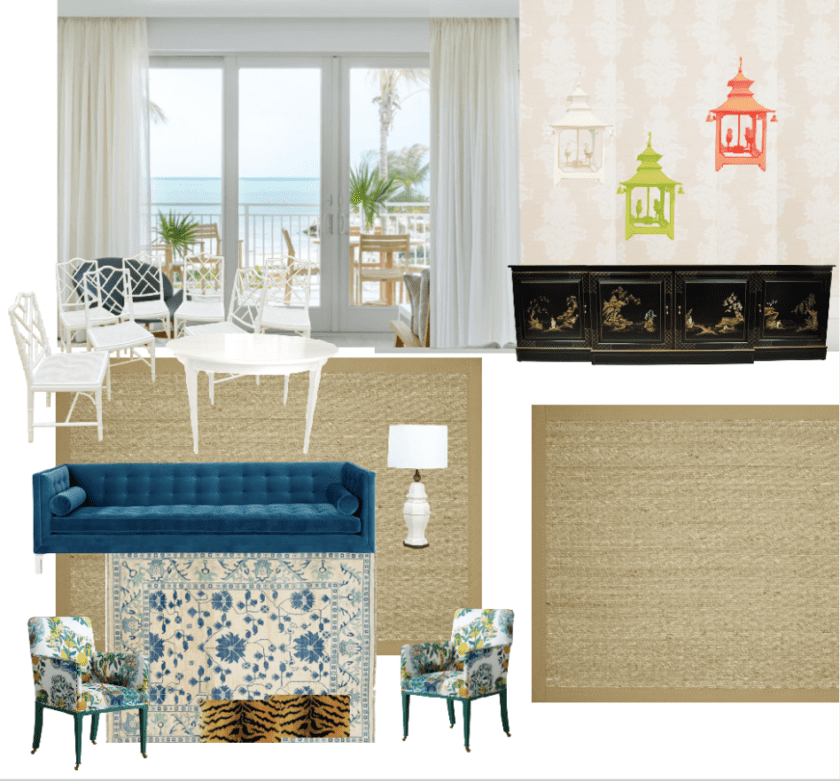
The home has always been more than just a shelter; it’s a sanctuary, a canvas reflecting one’s personality, and increasingly, a vital component of well-being. As lives become more complex and demanding, the desire to create environments that promote tranquility and joy has amplified. Interior design trends are no longer solely about aesthetics but also about crafting spaces that nurture the mind and soul. This evolution is driven by a deeper understanding of how surroundings can influence mood, productivity, and overall happiness. The following explores a decor trick that boosts happiness and delves into current design movements that prioritize both beauty and emotional comfort.
The Evolution of Interior Aesthetics
Contemporary decor is undergoing a significant transformation. The era of excessive ornamentation and purely aesthetic-driven design is gradually fading, replaced by an emphasis on simplicity, sustainability, and purposeful design. This shift reflects a growing awareness of environmental concerns and a desire for homes that are not only visually appealing but also conducive to a more mindful and balanced lifestyle. The focus is now on creating spaces that are uncluttered, functional, and deeply personal, showcasing carefully curated items that hold meaning and evoke positive emotions. Designers are increasingly prioritizing the use of natural materials, neutral color palettes, and adaptable layouts to foster a sense of calm and flexibility. The modern home is becoming a haven – a place to recharge, reconnect, and find respite from the external world.
Three Defining Styles of 2025
Several distinct styles are emerging as frontrunners in shaping the interior design landscape of 2025, each offering a unique approach to creating spaces that are both aesthetically pleasing and emotionally supportive. These styles include Japandi Minimalism, Revived Mid-Century Modern, and Organic Wabi-Sabi.
Japandi Minimalism
Japandi Minimalism is a harmonious blend of Japanese and Scandinavian design philosophies. It combines the sleek, functional lines of Scandinavian design with the understated elegance and natural warmth of Japanese aesthetics.
Materiality*: Japandi interiors often feature natural materials such as light-colored wood (birch, oak, maple), bamboo, and paper. Textiles are typically organic, including linen, cotton, and wool, in muted tones. Stone and ceramic elements add subtle textural contrast.
Tonal Harmony*: The color palette is generally neutral and calming, with a focus on whites, creams, grays, and soft earth tones. Accents of muted blues, greens, and browns can be incorporated to add depth and visual interest. The goal is to create a serene and uncluttered atmosphere.
Spatial Rhythm*: Spatial organization in Japandi design prioritizes functionality and flow. Furniture is carefully selected to minimize clutter and maximize open space. Natural light is emphasized, with large windows and minimal window treatments. The overall effect is one of spaciousness and tranquility.
Emotional Atmosphere*: Japandi interiors are designed to evoke a sense of calm, peace, and connection with nature. The simplicity and lack of ornamentation create a stress-free environment, while the use of natural materials and soft textures promotes relaxation. This style is being reinterpreted today with a greater emphasis on incorporating handcrafted items and artisanal details, adding a layer of personal character and warmth to the minimalist aesthetic.
Revived Mid-Century Modern
Mid-Century Modern design, which gained popularity in the mid-20th century, is experiencing a resurgence in contemporary interiors. This style celebrates clean lines, organic shapes, and a connection with nature.
Materiality*: Key materials in Mid-Century Modern design include wood (teak, walnut, oak), metal (chrome, brass), glass, and natural textiles. Furniture often features molded plywood, hairpin legs, and geometric patterns.
Tonal Harmony*: The color palette is typically warm and inviting, with a mix of earthy tones and vibrant accent colors. Common colors include avocado green, mustard yellow, burnt orange, and wood tones. The use of bold patterns and geometric shapes adds visual interest.
Spatial Rhythm*: Mid-Century Modern interiors are characterized by open floor plans and a sense of spaciousness. Furniture is often low-profile and arranged to encourage social interaction. Natural light is prioritized, with large windows and minimal window coverings.
Emotional Atmosphere*: This style evokes a feeling of optimism, playfulness, and nostalgia. The clean lines and organic shapes create a sense of order and harmony, while the warm colors and bold patterns add energy and personality. Today’s interpretations of Mid-Century Modern often incorporate sustainable materials and updated color palettes to appeal to contemporary sensibilities.
Organic Wabi-Sabi
Wabi-Sabi is a Japanese aesthetic philosophy that embraces imperfection, impermanence, and simplicity. In interior design, it translates to spaces that are authentic, raw, and deeply connected to nature.
Materiality*: Organic Wabi-Sabi interiors feature natural, unrefined materials such as raw wood, stone, clay, and linen. Imperfections and irregularities are celebrated, rather than concealed. The focus is on showcasing the inherent beauty of the materials.
Tonal Harmony*: The color palette is typically muted and earthy, with a focus on natural tones such as browns, grays, greens, and creams. The use of texture and subtle variations in color creates depth and visual interest.
Spatial Rhythm*: Wabi-Sabi spaces are often uncluttered and sparsely furnished, with a focus on creating a sense of serenity and contemplation. Objects are carefully chosen for their functionality and aesthetic appeal. Natural light is essential, and windows are often left uncovered to allow the natural world to be viewed.
Emotional Atmosphere*: This style promotes a sense of acceptance, tranquility, and appreciation for the beauty of imperfection. The raw materials and natural textures create a connection with the earth, while the simplicity and lack of ornamentation encourage mindfulness and introspection. The Wabi-Sabi aesthetic is being embraced today as a counterpoint to the fast-paced, perfection-obsessed culture, offering a refuge from the pressures of modern life.
Material, Texture & Color
The choice of materials, textures, and colors plays a crucial role in creating a home that promotes well-being. Current trends emphasize natural, sustainable materials that evoke warmth and clarity.
Materials*: Raw wood continues to be a popular choice for flooring, furniture, and accent pieces. Its natural grain and texture add warmth and character to any space. Linen is favored for its soft, breathable quality, making it ideal for bedding, curtains, and upholstery. Ceramic tiles and pottery add an earthy touch, while also being durable and sustainable.
Textures*: Texture is used to create depth and visual interest in interiors. Layering different textures, such as smooth linen with rough-hewn wood or soft wool with polished stone, adds tactile appeal and enhances the overall sensory experience. Incorporating natural textures, such as woven baskets, jute rugs, and textured wall coverings, creates a connection with nature and promotes relaxation.
Color Palettes*: Current color trends lean towards soft, neutral palettes with pops of color inspired by nature. Earthy tones such as beige, taupe, and terracotta are popular for creating a sense of warmth and grounding. Muted greens, blues, and grays evoke feelings of calmness and serenity. Accent colors, such as mustard yellow, burnt orange, and dusty rose, add personality and energy without being overwhelming. The key is to create a harmonious balance of colors that promotes a sense of well-being.
The "Happiness-Boosting Decor Trick You Need to Try" centers around this integrated approach to materials, textures and colors. It suggests introducing plants to a room strategically. Plants not only purify the air, but they also bring natural color and texture into the space, which has been proven to reduce stress and improve mood. The act of caring for plants can also be therapeutic, providing a sense of purpose and connection to nature. Small potted plants on shelves, hanging planters, or even a small indoor herb garden can transform the atmosphere of a room, making it feel more vibrant, inviting, and conducive to happiness. Different plants offer different textural elements, enriching the overall design and creating a more engaging sensory experience.
Integration of Function & Technology
Modern decor seamlessly integrates aesthetics with functionality, reflecting the demands of contemporary living. Modular design, smart home integration, and sustainable innovation are key elements.
Modular Design*: Modular furniture and storage systems offer flexibility and adaptability, allowing individuals to customize their living spaces to suit their specific needs. These systems can be easily reconfigured or expanded as requirements change, making them ideal for small spaces or multi-functional rooms.
Smart Home Integration*: Technology is being incorporated into homes in subtle and seamless ways to enhance convenience and comfort. Smart lighting systems allow individuals to adjust the brightness and color temperature of their lights to create different moods. Smart thermostats optimize energy efficiency and maintain comfortable temperatures. Smart home security systems provide peace of mind and added security.
Sustainable Innovation*: Environmentally friendly materials and practices are becoming increasingly important in interior design. Designers are exploring innovative ways to incorporate recycled materials, energy-efficient lighting, and water-saving fixtures into their designs. The goal is to create homes that are not only beautiful and functional but also sustainable and responsible. The integration of function and technology is not just about convenience; it’s also about creating spaces that support well-being. For example, automated blinds that adjust to natural light can improve circadian rhythms and enhance sleep quality, contributing to overall health and happiness.
In conclusion, the future of home decor is an evolving narrative of personal identity and cultural influence, where aesthetic appeal is interwoven with functionality, sustainability, and emotional well-being. The emphasis on natural materials, calming color palettes, and purposeful design reflects a growing awareness of the impact of surroundings on mental and physical health. As lives continue to evolve, the home will become an even more important sanctuary – a place to recharge, reconnect, and cultivate happiness.
.jpg)

.jpg)
Comments
Post a Comment