The Open-Shelf Trend: Chic or Cluttered?
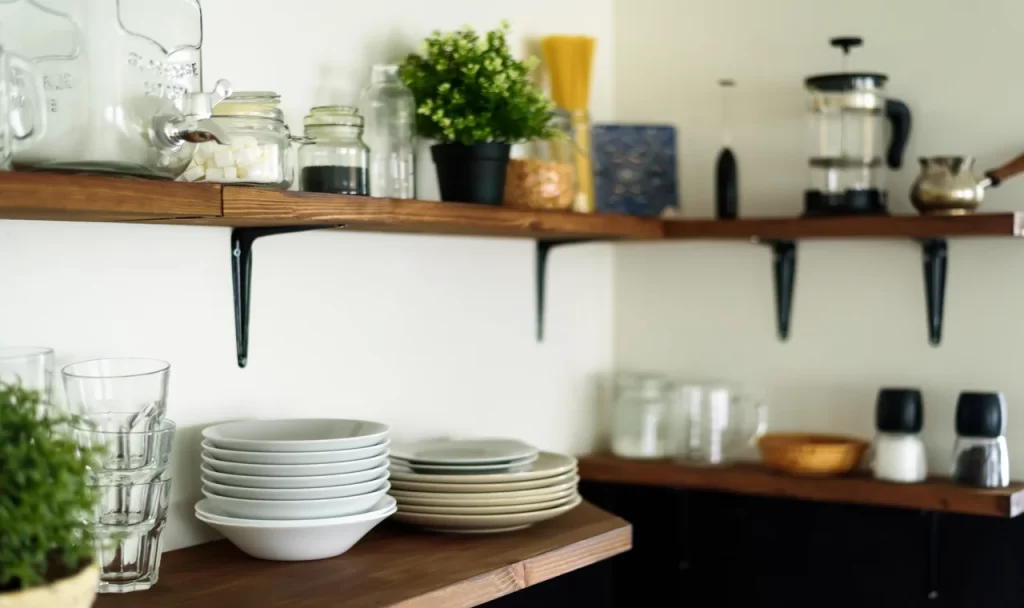
The way one decorates a living space speaks volumes, acting as an intimate reflection of one’s personality, values, and aspirations. In an era marked by rapid change and constant connectivity, the home has become a sanctuary, a place of refuge and self-expression. The open-shelf trend, with its promise of accessibility and aesthetic display, has ignited debate: Is it a chic statement of curated living, or a chaotic descent into clutter? The answer, of course, lies in the delicate balance between thoughtful design and practical execution.
The Evolution of Interior Aesthetics
Contemporary decor is undergoing a profound shift, moving away from ostentatious displays and embracing a philosophy rooted in simplicity, sustainability, and purposeful design. This evolution is driven by a desire for homes that not only look beautiful but also feel authentic and promote well-being. The modern dweller seeks spaces that are uncluttered, calming, and conducive to both productivity and relaxation. Minimalism, with its emphasis on essential elements and negative space, has paved the way for a more mindful approach to decorating. Sustainability is no longer a niche concept but a core principle, influencing choices ranging from materials to energy consumption. Purposeful design prioritizes functionality and usability, ensuring that every object and layout decision contributes to the overall harmony and efficiency of the space. This convergence of simplicity, sustainability, and purpose is reshaping interior aesthetics, creating homes that are not just visually appealing but also environmentally conscious and emotionally resonant. The open-shelf trend, therefore, must be viewed through this lens, considering its potential to contribute to or detract from these evolving values.
Three Defining Styles of 2025
Looking ahead, three distinct styles are poised to dominate interior design in 2025, each offering a unique interpretation of contemporary living: Japandi Minimalism, Revived Mid-Century Modern, and Organic Wabi-Sabi. These styles are not mutually exclusive; rather, they often blend and influence one another, creating a rich tapestry of design possibilities.
Japandi Minimalism
Japandi, a fusion of Japanese and Scandinavian aesthetics, embodies a harmonious blend of minimalist principles and natural warmth. It emphasizes clean lines, uncluttered spaces, and a muted color palette, creating an atmosphere of serenity and tranquility.
Materiality*: Japandi favors natural materials such as light-toned wood, bamboo, linen, and paper. These materials are often left unadorned, celebrating their inherent textures and imperfections.
Tonal Harmony*: The color palette is typically neutral, with shades of white, beige, gray, and soft pastels dominating. Accents of black or deep blue may be used to add contrast and depth.
Spatial Rhythm*: Spatial rhythm is achieved through careful arrangement of furniture and accessories, creating a sense of balance and order. Negative space is valued as much as occupied space, allowing the eye to rest and the mind to unclutter.
Emotional Atmosphere*: Japandi aims to create a calming and restorative atmosphere, promoting a sense of well-being and connection to nature.
Today, Japandi is being reinterpreted with a focus on creating functional and adaptable living spaces. Modular furniture, hidden storage solutions, and multi-purpose rooms are key elements of this modern adaptation. Open shelving in a Japandi space would be meticulously curated, featuring a few carefully chosen objects that reflect the style's emphasis on simplicity and natural beauty. Think handcrafted ceramics, minimalist art prints, and a few well-placed plants.
Revived Mid-Century Modern
Mid-Century Modern, with its iconic designs and optimistic spirit, is experiencing a resurgence in popularity. This style is characterized by clean lines, organic shapes, and a focus on functionality. However, the revived version incorporates more sustainable materials and updated color palettes.
Materiality*: Mid-Century Modern traditionally features materials such as wood, metal, glass, and vinyl. The revived version emphasizes sustainable alternatives such as reclaimed wood, recycled metal, and eco-friendly fabrics.
Tonal Harmony*: The color palette is bold and vibrant, with shades of orange, yellow, green, and blue often used in combination. However, the revived version often incorporates more muted and sophisticated tones, such as olive green, mustard yellow, and burnt orange.
Spatial Rhythm*: Spatial rhythm is achieved through the use of geometric patterns, contrasting textures, and playful arrangements of furniture and accessories.
Emotional Atmosphere*: Mid-Century Modern evokes a sense of optimism, playfulness, and nostalgia.
Today, Revived Mid-Century Modern is being reinterpreted with a focus on creating comfortable and inviting living spaces. Plush textiles, cozy lighting, and personalized accessories are key elements of this modern adaptation. Open shelving in a Revived Mid-Century Modern space might showcase vintage finds, colorful glassware, and graphic art prints. The key is to maintain a sense of order and avoid overcrowding, allowing each piece to shine.
Organic Wabi-Sabi
Wabi-Sabi, a Japanese philosophy that celebrates imperfection and impermanence, is gaining traction in the world of interior design. This style embraces natural textures, asymmetrical forms, and a muted color palette, creating an atmosphere of authenticity and tranquility.
Materiality*: Wabi-Sabi favors natural materials such as raw wood, stone, clay, and linen. These materials are often left unadorned, celebrating their inherent imperfections and signs of age.
Tonal Harmony*: The color palette is earthy and muted, with shades of brown, gray, green, and beige dominating. Accents of rust, ochre, or indigo may be used to add warmth and depth.
Spatial Rhythm*: Spatial rhythm is achieved through the use of asymmetry, organic forms, and a sense of openness. Empty space is valued as much as occupied space, allowing for a sense of contemplation and quietude.
Emotional Atmosphere*: Wabi-Sabi aims to create a calming and restorative atmosphere, promoting a sense of acceptance and connection to nature.
Today, Organic Wabi-Sabi is being reinterpreted with a focus on creating mindful and sustainable living spaces. Repurposed furniture, handcrafted objects, and natural light are key elements of this modern adaptation. Open shelving in an Organic Wabi-Sabi space would be a celebration of imperfection, showcasing weathered objects, handmade pottery, and foraged natural elements. The arrangement would be deliberately asymmetrical and unstudied, reflecting the style's embrace of the beauty of imperfection.
Material, Texture & Color
Current trends in materials, textures, and color palettes are all geared towards creating spaces that evoke warmth, clarity, and a connection to nature. Raw wood, with its natural grain and texture, is a popular choice for furniture, flooring, and wall coverings. Linen, with its soft and breathable texture, is favored for upholstery, curtains, and bedding. Ceramic, with its earthy and tactile qualities, is used for tableware, decorative objects, and even wall tiles.
In terms of textures, there is a growing appreciation for the imperfect and the tactile. Think hand-woven rugs, textured wall paint, and handcrafted ceramics. These textures add depth and interest to a space, creating a more inviting and engaging atmosphere.
Color palettes are shifting towards more natural and muted tones. Warm neutrals, such as beige, gray, and greige, are used as a foundation, while accents of earthy greens, soft blues, and warm terracotta add depth and personality. The goal is to create a sense of calm and tranquility, promoting relaxation and well-being. These materials, textures, and colors can all be incorporated into an open shelving display to enhance its overall aesthetic appeal and create a cohesive and harmonious look. The key is to choose materials and colors that complement the overall style of the room and reflect one’s personal taste.
Integration of Function & Technology
Modern decor is increasingly merging aesthetics with functionality, reflecting a desire for homes that are not only beautiful but also practical and efficient. Modular design is becoming increasingly popular, allowing homeowners to customize their furniture and storage solutions to fit their specific needs. Smart home integration is also on the rise, with features such as automated lighting, temperature control, and security systems becoming increasingly common.
Sustainable innovation is another key trend, with designers and manufacturers developing eco-friendly materials and energy-efficient appliances. This trend reflects a growing awareness of the environmental impact of our homes and a desire to create spaces that are both beautiful and sustainable.
Open shelving can also be integrated with technology and functionality. For example, shelves can be equipped with integrated lighting to highlight displayed objects or provide ambient illumination. Shelves can also be used to conceal wiring and cables, creating a cleaner and more organized look. In addition, open shelving can be designed to accommodate smart home devices, such as speakers, hubs, or charging stations. The integration of function and technology into open shelving design can enhance its practicality and convenience, making it a more valuable and versatile addition to the home.
In conclusion, the open-shelf trend, whether chic or cluttered, depends entirely on thoughtful execution. By understanding the principles of contemporary design, embracing sustainable materials, and integrating function with aesthetics, it is possible to create open shelving displays that are both beautiful and practical. As home decor continues to evolve, reflecting our changing lifestyles and values, the open-shelf trend will undoubtedly adapt and transform, remaining a dynamic and expressive element of the modern home. Home decor serves as an evolving narrative of personal identity and cultural influence.
.jpg)

.jpg)
Comments
Post a Comment