The Secret Ingredient to a Stylish Kitchen — Lighting!
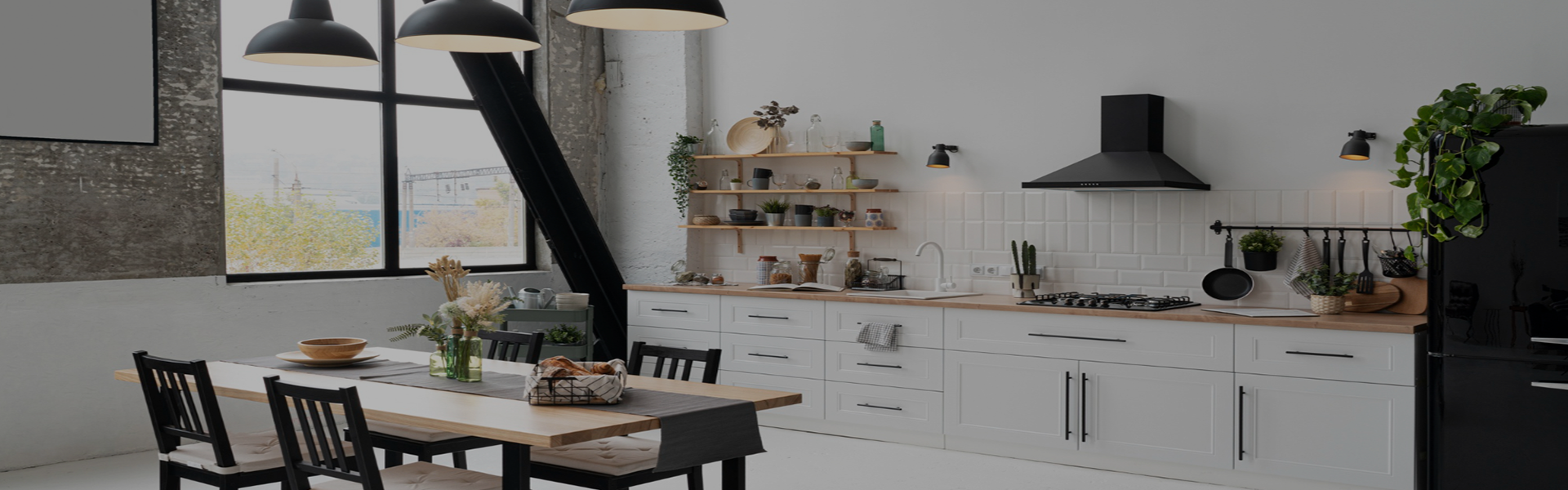
The modern home has transformed from a mere shelter into a sanctuary – a space where individuals seek solace, express their identities, and cultivate a sense of well-being. Interior design, therefore, is no longer just about aesthetics; it's about creating environments that resonate with our deepest emotional and practical needs. As lifestyles evolve, so too does our perception of the spaces we inhabit. The emphasis shifts toward simplicity, sustainability, and purposeful design, reflecting a desire for authenticity and connection in an increasingly complex world. The kitchen, once relegated to the back of the house, now stands as the heart of the home, a gathering place for family and friends, and a stage for culinary creativity. And the secret ingredient to making this space truly shine? It's lighting.
The Evolution of Interior Aesthetics
Contemporary decor represents a significant departure from the ornate and cluttered styles of the past. Today's aesthetic sensibilities are drawn toward clean lines, natural materials, and a sense of spaciousness. This shift is driven by several factors, including a growing awareness of environmental issues, a desire for a more mindful and uncluttered existence, and the influence of global design trends. The focus is on creating spaces that are not only beautiful but also functional, sustainable, and conducive to well-being. Minimalism, in various forms, reigns supreme, with an emphasis on quality over quantity and a curated selection of objects that hold personal meaning. The interplay of natural light and carefully chosen artificial light is paramount in shaping the mood and atmosphere of the modern home.
Three Defining Styles of 2025
While trends are constantly evolving, three distinct styles appear poised to shape interior design in 2025: Japandi Minimalism, Revived Mid-Century Modern, and Organic Wabi-Sabi. Each offers a unique approach to creating beautiful and functional spaces, reflecting different values and priorities.
Japandi Minimalism
Japandi, a fusion of Japanese and Scandinavian design principles, combines the sleek functionality of Scandinavian minimalism with the warmth and rustic elegance of Japanese aesthetics. Key features include: Materiality: Natural materials such as light woods (oak, birch, ash), bamboo, and paper are central to the Japandi aesthetic. These materials bring a sense of warmth and connection to nature, creating a calming and inviting atmosphere. Tonal Harmony: A neutral color palette is essential, typically featuring shades of white, gray, beige, and muted greens and blues. These colors create a sense of serenity and spaciousness, while subtle contrasts add visual interest. Spatial Rhythm: Simplicity and order are key. Spaces are uncluttered, with a focus on functional furniture and minimal decoration. The emphasis is on creating a sense of flow and balance, allowing the eye to move freely throughout the room. Emotional Atmosphere: Japandi spaces are designed to promote a sense of calm, tranquility, and mindfulness. The use of natural materials, soft lighting, and carefully curated objects creates a harmonious and relaxing environment.
In 2025, Japandi is being reinterpreted with a focus on sustainability and ethical sourcing. Designers are increasingly incorporating reclaimed materials and working with local artisans to create unique and eco-friendly pieces.
Revived Mid-Century Modern
Mid-Century Modern, characterized by its clean lines, organic forms, and bold use of color, continues to be a popular choice for contemporary homes. The revived version of this classic style emphasizes: Materiality: Teak, walnut, and other hardwoods are prominent, often paired with metal accents and pops of color. The focus is on showcasing the natural beauty of the materials. Tonal Harmony: A mix of warm and cool colors is typical, with earthy tones balanced by brighter hues such as teal, orange, and yellow. These colors add energy and personality to the space. Spatial Rhythm: Open floor plans and streamlined furniture are essential. Pieces are often low-slung and sculptural, creating a sense of spaciousness and movement. Emotional Atmosphere: Mid-Century Modern spaces are designed to be fun, inviting, and stylish. The use of bold colors and playful patterns creates a sense of optimism and energy.
The 2025 revival of Mid-Century Modern incorporates modern technology and sustainable materials. Expect to see smart lighting systems, energy-efficient appliances, and eco-friendly furniture options.
Organic Wabi-Sabi
Wabi-Sabi, a Japanese philosophy that embraces imperfection and impermanence, is gaining traction as a counterpoint to the sleek perfectionism of modern design. Its key features include: Materiality: Natural, raw materials are essential, including wood, stone, clay, and linen. These materials are often left in their natural state, showcasing their unique textures and imperfections. Tonal Harmony: A muted color palette is typical, featuring earthy tones, natural grays, and subtle variations in texture. The focus is on creating a sense of depth and authenticity. Spatial Rhythm: Spaces are designed to feel relaxed and unpretentious. Furniture is often handcrafted and imperfect, adding to the sense of character and history. Emotional Atmosphere: Wabi-Sabi spaces are designed to promote a sense of calm, acceptance, and connection to nature. The focus is on creating an environment that feels lived-in and authentic.
In 2025, Wabi-Sabi is being reinterpreted with a focus on sustainability and mindful consumption. Designers are embracing upcycled materials, vintage furniture, and handmade objects that tell a story.
Material, Texture & Color
Current trends in materials, textures, and color palettes reflect a desire for warmth, clarity, and connection to nature.
Materials: Raw wood, particularly light woods like oak and ash, is increasingly popular for kitchen cabinets, countertops, and flooring. Linen is a go-to fabric for window treatments and upholstery, adding a touch of softness and elegance. Ceramic tiles and tableware offer a tactile and visually appealing alternative to mass-produced materials. Textures: Tactile textures are essential for creating a sense of depth and interest. Think of rough-hewn wood, woven baskets, and textured fabrics. These textures add warmth and personality to the space, making it feel more inviting and livable. Color Palettes:Neutral color palettes continue to dominate, with shades of white, gray, beige, and greige providing a versatile backdrop for pops of color. Earthy tones such as terracotta, olive green, and ochre are also popular, adding warmth and depth.
The key is to create a harmonious balance between different materials, textures, and colors, ensuring that the space feels cohesive and inviting. Thoughtful lighting design enhances these elements, highlighting the natural beauty of the materials and creating a warm and inviting atmosphere.
Integration of Function & Technology
Modern kitchen design increasingly integrates aesthetics with functionality, embracing modular design, smart home technology, and sustainable innovation.
Modular Design: Modular kitchen systems offer flexibility and adaptability, allowing homeowners to customize their spaces to meet their specific needs. These systems can be easily reconfigured or expanded as lifestyles change. Smart Home Integration: Smart appliances, lighting controls, and voice-activated assistants are becoming increasingly common in modern kitchens. These technologies offer convenience, energy efficiency, and enhanced control over the home environment. Sustainable Innovation:Eco-friendly materials, energy-efficient appliances, and water-saving fixtures are essential for creating sustainable kitchens. Designers are increasingly incorporating these elements to reduce the environmental impact of the home.
Lighting plays a crucial role in the integration of function and technology. Smart lighting systems can be programmed to adjust automatically based on the time of day or the activity being performed in the kitchen. This not only enhances convenience but also helps to conserve energy.
The future of home decor is an evolving narrative of personal identity and cultural influence. As lifestyles change, so too will our homes. However, the fundamental principles of good design – functionality, sustainability, and beauty – will remain timeless. The kitchen, as the heart of the home, will continue to evolve, adapting to meet the changing needs and desires of its inhabitants. Thoughtful and well-planned lighting will be the key to unlocking the full potential of this space, creating an environment that is both functional and beautiful, practical and emotionally fulfilling. Lighting truly is the secret ingredient to a stylish and inviting kitchen.
.jpg)

.jpg)
Comments
Post a Comment