The Viral $20 Decor Hack That Makes Your Home Look Like a Mansion
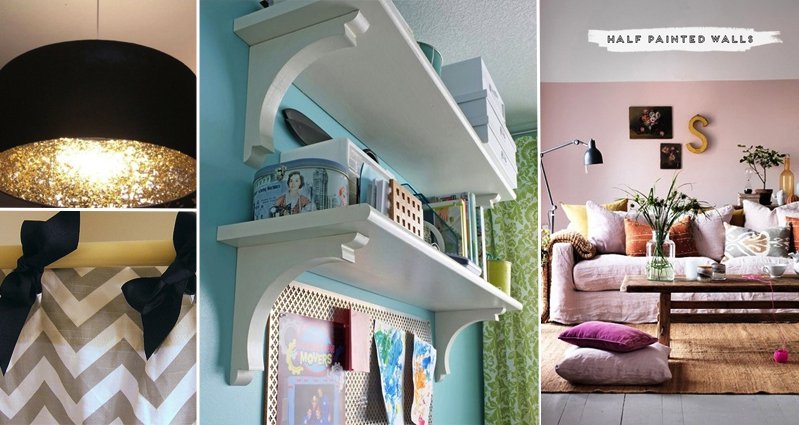
The spaces humans inhabit are more than just buildings; they are reflections of individual narratives and cultural evolutions. As lifestyles shift and emotional needs deepen, the role of interior decor transforms from mere embellishment to a fundamental aspect of well-being. Homes are now envisioned as sanctuaries—places of refuge that foster creativity, peace, and connection. The latest trends in decor highlight this conscious turn, emphasizing simplicity, sustainability, and purposeful design as guiding principles in creating harmonious living environments. In essence, today's homes are designed to nurture the soul and enrich daily life, proving that thoughtful decor can profoundly impact how people experience the world.
The Evolution of Interior Aesthetics
The aesthetic preferences in modern interior design are trending toward a more mindful and sustainable approach. Gone are the days of excessive ornamentation and unsustainable consumption; contemporary decor is defined by a return to essential forms, natural materials, and a desire for spaces that enhance rather than overwhelm. This evolution reflects a deeper understanding of how environment influences mental and emotional states.
Minimalism, once a niche movement, has now become a mainstream philosophy, advocating for decluttered spaces and thoughtful selections that prioritize function and beauty. Sustainability plays a crucial role, with designers and homeowners increasingly seeking eco-friendly materials and practices that minimize environmental impact. Purposeful design focuses on creating spaces that support specific activities and lifestyles, ensuring every element contributes to the overall functionality and atmosphere of the home. This shift towards simplicity, sustainability, and purpose represents a broader cultural movement towards conscious living and a greater appreciation for the beauty of the natural world.
Three Defining Styles of 2025
The predicted interior design landscape of 2025 encompasses three prominent styles: Japandi Minimalism, Revived Mid-Century Modern, and Organic Wabi-Sabi. Each style offers a unique interpretation of contemporary living, shaped by distinct design philosophies and aesthetic sensibilities.
Japandi Minimalism
Japandi Minimalism is a hybrid style that blends the clean lines of Scandinavian design with the serene elegance of Japanese aesthetics. This fusion creates spaces that are both functional and calming, characterized by a harmonious balance of form and material.
Materiality*: Japandi emphasizes natural materials such as light wood, bamboo, and handcrafted ceramics. These elements bring warmth and authenticity to interiors, creating a tactile and visually appealing environment.
Tonal Harmony*: The color palettes in Japandi are typically muted and neutral, featuring soft grays, warm whites, and earthy tones. Subtle pops of color, such as deep blues or greens, may be incorporated to add depth and visual interest.
Spatial Rhythm*: Open floor plans and uncluttered spaces are essential to Japandi. Furniture is strategically placed to maximize flow and create a sense of spaciousness.
Emotional Atmosphere*: Japandi interiors evoke a sense of tranquility and balance, promoting mindfulness and well-being. The emphasis on natural light and minimalist decor creates a serene atmosphere that fosters relaxation and contemplation.
Today, Japandi is being reinterpreted with an emphasis on sustainability and ethical sourcing. Designers are focusing on using recycled materials, supporting local artisans, and creating spaces that minimize environmental impact while maximizing aesthetic appeal.
Revived Mid-Century Modern
Revived Mid-Century Modern is a contemporary take on the iconic design movement of the 1950s and 1960s. This style celebrates clean lines, organic shapes, and a sense of optimism, reimagined for modern living.
Materiality*: Mid-Century Modern incorporates materials such as teak wood, molded plywood, and metal accents. These elements are often combined to create visually striking and functional furniture pieces.
Tonal Harmony*: The color palettes in Mid-Century Modern range from warm earth tones to bold pops of color. Mustard yellows, avocado greens, and vibrant oranges are often used to create a retro yet contemporary feel.
Spatial Rhythm*: Open floor plans and strategic furniture placement are key to Mid-Century Modern. Furniture is often arranged to encourage social interaction and create a sense of flow throughout the space.
Emotional Atmosphere*: Mid-Century Modern interiors evoke a sense of nostalgia and optimism. The playful use of color and form creates a vibrant and inviting atmosphere that encourages creativity and connection.
Modern interpretations of Mid-Century Modern often incorporate sustainable materials and updated technology. Designers are reimagining classic furniture pieces with eco-friendly materials and integrating smart home technology to enhance functionality and convenience.
Organic Wabi-Sabi
Organic Wabi-Sabi embraces the beauty of imperfection and the transience of nature. This style celebrates raw materials, handcrafted objects, and the unique character of each piece, creating spaces that are authentic and deeply personal.
Materiality*: Wabi-Sabi emphasizes natural materials such as raw wood, stone, and handmade ceramics. These elements are often left in their natural state, showcasing the beauty of imperfection.
Tonal Harmony*: The color palettes in Wabi-Sabi are typically muted and earthy, featuring soft browns, grays, and greens. These colors evoke a sense of calm and grounding, creating a connection to nature.
Spatial Rhythm*: Wabi-Sabi interiors are characterized by a sense of asymmetry and imperfection. Furniture and objects are arranged in a way that feels natural and unforced, creating a sense of organic flow.
Emotional Atmosphere*: Wabi-Sabi interiors evoke a sense of peace and acceptance. The emphasis on natural materials and imperfect objects creates a soothing atmosphere that encourages mindfulness and introspection.
Modern interpretations of Wabi-Sabi often focus on creating spaces that are both sustainable and deeply personal. Designers are incorporating recycled materials, supporting local artisans, and creating spaces that reflect the unique character and experiences of the inhabitants.
Material, Texture & Color
Current trends in materials, textures, and color palettes in interior design highlight a return to natural elements and a desire for spaces that evoke warmth and clarity. Raw wood, with its natural grain and texture, is increasingly popular for furniture, flooring, and accent walls. Linen, known for its breathable and luxurious feel, is a favored choice for upholstery, curtains, and bedding. Ceramic, particularly handmade and artisanal pieces, adds a touch of authenticity and character to interiors.
Textures are also playing a crucial role in creating tactile and visually appealing spaces. Think chunky knits, woven rugs, and textured wall coverings that add depth and dimension to interiors. Layering different textures creates a sense of warmth and comfort, making spaces feel more inviting and lived-in.
Color palettes are shifting towards softer, more muted tones that create a sense of calm and tranquility. Warm neutrals such as beige, cream, and taupe provide a versatile backdrop for layering textures and adding pops of color. Earthy tones like terracotta, olive green, and ochre evoke a connection to nature, bringing a sense of grounding and stability to interiors. These materials, textures, and colors work together to create spaces that are both visually stunning and emotionally nourishing.
Integration of Function & Technology
The integration of function and technology in modern decor is transforming how people interact with their living spaces. Modular design, which allows for flexible and adaptable furniture arrangements, is gaining popularity for its ability to accommodate changing needs and lifestyles. Smart home integration, including automated lighting, temperature control, and security systems, enhances convenience and efficiency, making daily life easier and more comfortable.
Sustainable innovation is also driving the integration of function and technology. Eco-friendly materials, energy-efficient appliances, and water-saving fixtures are becoming standard features in modern homes. These innovations not only reduce environmental impact but also enhance the overall functionality and value of the home. The combination of modular design, smart home technology, and sustainable innovation is creating spaces that are both aesthetically pleasing and highly functional, catering to the evolving needs of modern homeowners.
In conclusion, the future of home decor is poised to be an evolving narrative of personal identity and cultural influence. As lifestyles continue to change and emotional needs deepen, the spaces we inhabit will increasingly reflect our values, aspirations, and experiences. From the minimalist elegance of Japandi to the nostalgic charm of Revived Mid-Century Modern and the imperfect beauty of Organic Wabi-Sabi, the styles of 2025 represent a diverse range of design philosophies that cater to different tastes and preferences. The emphasis on natural materials, tactile textures, and calming color palettes reflects a broader cultural movement towards conscious living and a greater appreciation for the beauty of the natural world. The integration of function and technology, including modular design, smart home integration, and sustainable innovation, enhances convenience, efficiency, and environmental responsibility. The evolution of home decor is an ongoing process, shaped by individual creativity, cultural trends, and technological advancements. It is a testament to the power of design to transform our living spaces into sanctuaries that nurture the soul and enrich daily life.For curated decor pieces aligned with these evolving styles, explore our recommended design-forward collections
.jpg)

.jpg)
Comments
Post a Comment