This Bedroom Trend Will Help You Sleep Better (Seriously)
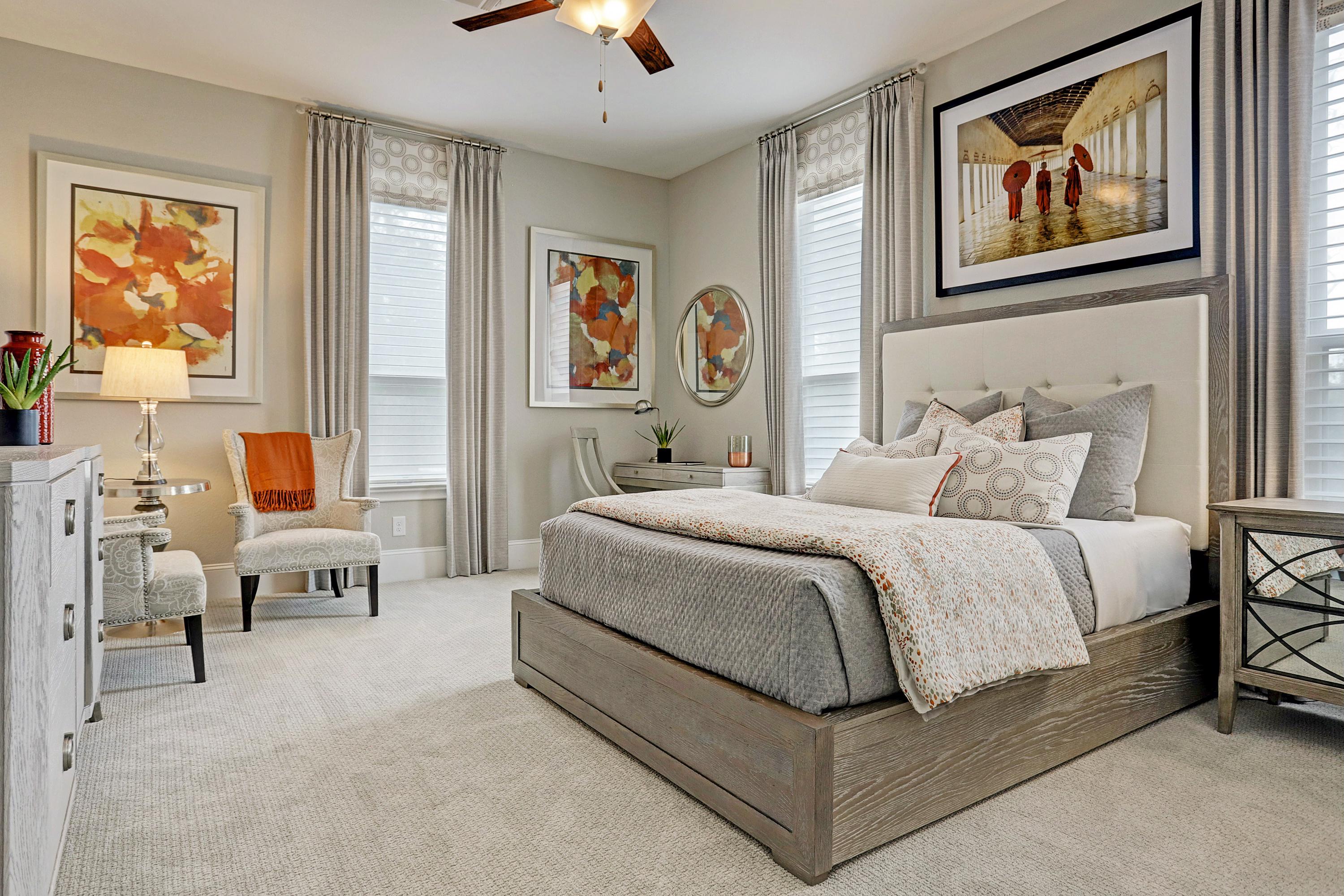
The bedroom. It is more than just a space for sleeping. In today’s fast-paced world, the bedroom has transformed into a sanctuary, a refuge from the chaos, and a personal space where one can truly unwind. As lifestyles evolve, so too does the understanding of how interior design can significantly impact well-being, particularly the quality of sleep. The decor choices influence mood, reduce stress, and ultimately promote restorative rest. The current bedroom trend focuses on creating an environment that is not only aesthetically pleasing but also deeply conducive to relaxation and better sleep.
The Evolution of Interior Aesthetics
Contemporary decor marks a profound shift from mere ornamentation to a focus on simplicity, sustainability, and purposeful design. The modern homeowner is increasingly aware of the impact their living environment has on their mental and physical health. This awareness is reflected in a preference for decluttered spaces, natural materials, and designs that promote a sense of calm and connection to the environment. The aesthetic is less about showcasing opulence and more about creating a harmonious balance between functionality, comfort, and environmental consciousness. Sustainability isn't just a buzzword; it's a guiding principle, influencing the choice of materials, the sourcing of furniture, and the overall design philosophy. There's also an increased appreciation for handcrafted items, pieces with a story, and designs that stand the test of time, moving away from disposable trends and towards enduring quality. This move towards mindful design suggests that our homes should be reflective of our values, serving as a backdrop for a balanced and fulfilling lifestyle.
Three Defining Styles of 2025
The interior design landscape in 2025 is characterized by a fusion of influences, reimagining classic styles with a contemporary twist. Three styles stand out as being particularly influential, each offering a unique approach to creating a bedroom that is both stylish and sleep-enhancing: Japandi Minimalism, Revived Mid-Century Modern, and Organic Wabi-Sabi.
Japandi Minimalism
Japandi, a fusion of Japanese and Scandinavian design philosophies, emphasizes simplicity, functionality, and natural materials. This style promotes tranquility and balance, making it perfect for creating a calming bedroom environment.
Key Features: Materiality: Natural materials are at the heart of Japandi design. Think light-toned wood (such as oak or birch), linen, cotton, and paper. These materials bring a sense of warmth and authenticity to the space. Sustainability is crucial, so look for sustainably sourced wood and organic textiles. Tonal Harmony: A neutral color palette dominates Japandi interiors. Shades of white, gray, beige, and muted greens create a serene backdrop. Accents of black or charcoal provide subtle contrast and definition. The goal is to create a space that feels airy and uncluttered. Spatial Rhythm: Japandi design focuses on creating a sense of order and balance. Furniture is carefully chosen for its functionality and clean lines. Clutter is kept to a minimum, and storage solutions are integrated seamlessly into the design. Empty space is valued as much as the objects within the room. Emotional Atmosphere: The overall atmosphere of a Japandi bedroom is one of peace and tranquility. The simplicity of the design, combined with the use of natural materials, creates a space that feels grounded and calming. This is ideal for promoting restful sleep.
Reinterpretation Today:
Today's Japandi interiors incorporate bolder textures and subtle pops of color, while maintaining the core principles of simplicity and functionality. Designers are also experimenting with incorporating vintage or antique pieces to add character and depth to the space.
Revived Mid-Century Modern
Mid-Century Modern, with its emphasis on clean lines, organic shapes, and functionality, is experiencing a resurgence in popularity. This style offers a sense of nostalgia while remaining relevant and adaptable to contemporary living.
Key Features: Materiality: Wood, particularly walnut and teak, is a defining characteristic of Mid-Century Modern design. Other materials include metal, glass, and vinyl. These materials are often combined in innovative ways to create visually interesting and functional furniture pieces. Tonal Harmony: Mid-Century Modern color palettes typically feature warm, earthy tones, such as oranges, browns, and yellows. These colors are often combined with cool blues and greens to create a balanced and inviting atmosphere. Pops of bold color, such as mustard yellow or avocado green, are used as accents. Spatial Rhythm: Open floor plans and minimalist furniture arrangements are common in Mid-Century Modern interiors. Furniture is often low-slung and designed to be both functional and aesthetically pleasing. The goal is to create a space that feels open and airy. Emotional Atmosphere: Mid-Century Modern bedrooms evoke a sense of retro charm and understated elegance. The warm color palette, combined with the use of natural materials, creates a space that feels comfortable and inviting. The emphasis on functionality ensures that the space remains practical and livable.
Reinterpretation Today:
The modern interpretation of Mid-Century Modern incorporates sustainable materials and updated color palettes. Designers are also incorporating smart home technology into Mid-Century Modern designs, seamlessly blending retro aesthetics with contemporary functionality.
Organic Wabi-Sabi
Wabi-Sabi, a Japanese philosophy that embraces imperfection and impermanence, is gaining traction as a design trend that promotes authenticity and mindfulness. This style celebrates the beauty of natural materials and the unique character of handcrafted objects.
Key Features: Materiality: Natural, unrefined materials are essential to Wabi-Sabi design. Think raw wood, unfinished stone, linen, and clay. These materials are chosen for their texture and character, rather than their perfect appearance. Tonal Harmony: A muted, earthy color palette defines Wabi-Sabi interiors. Shades of gray, brown, beige, and olive green create a sense of calm and connection to nature. The goal is to create a space that feels humble and unassuming. Spatial Rhythm: Wabi-Sabi design embraces asymmetry and imperfection. Furniture is often antique or vintage, with a patina that tells a story. Clutter is kept to a minimum, but objects are displayed in a way that highlights their unique character. Emotional Atmosphere: Wabi-Sabi bedrooms evoke a sense of peace and acceptance. The imperfect nature of the design creates a space that feels authentic and inviting. This is ideal for promoting relaxation and self-acceptance.
Reinterpretation Today:
Modern Wabi-Sabi interiors often incorporate elements of other design styles, such as minimalism or bohemian. Designers are also experimenting with using unexpected materials, such as concrete or metal, to add a contemporary twist to the Wabi-Sabi aesthetic.
Material, Texture & Color
In the creation of a sleep-enhancing bedroom, the selection of materials, textures, and colors plays a pivotal role. Current trends emphasize elements that evoke warmth, clarity, and a sense of tranquility.
Materials
Raw Wood: Unfinished or lightly treated wood brings a sense of nature indoors. Its organic texture and warm tones create a soothing atmosphere.
Linen: This natural fabric is breathable, soft, and adds a touch of rustic elegance. It's ideal for bedding, curtains, and upholstery.
Ceramic: Handcrafted ceramic pieces, such as vases, lamps, and decorative objects, add a touch of artistry and authenticity to the space.
Textures
Layering textures is key to creating a bedroom that feels inviting and cozy.
Knitted Throws: Chunky knit blankets and throws add warmth and visual interest to the bed. Woven Rugs: Natural fiber rugs, such as jute or sisal, add texture and grounding to the space. Velvet Accents: Velvet pillows or upholstery add a touch of luxury and softness.
Color Palettes
Earthy Neutrals: Shades of beige, gray, and brown create a calming and versatile backdrop.
Muted Greens: Soft greens evoke a sense of nature and promote relaxation.
Dusty Blues: Pale blues create a serene and calming atmosphere, perfect for sleep.
The strategic use of materials, textures, and colors creates a multi-sensory environment that promotes relaxation and enhances the sleep experience.
Integration of Function & Technology
In today's design landscape, the integration of function and technology is paramount. Decor is no longer solely about aesthetics; it's about creating spaces that are both beautiful and functional. This is particularly important in the bedroom, where the goal is to create a sanctuary that supports restful sleep and overall well-being.
Modular Design:
Modular furniture allows for flexibility and customization, adapting to changing needs and lifestyles. Modular beds, storage systems, and seating arrangements can be easily reconfigured to create different layouts and maximize space.
Smart Home Integration:
Smart home technology can be seamlessly integrated into the bedroom to enhance comfort and convenience.
Smart Lighting: Lighting systems can be programmed to mimic natural light patterns, helping to regulate circadian rhythms and promote better sleep. Dimmable lights and smart bulbs allow for creating customized lighting scenes for different activities, such as reading, relaxing, or waking up. Smart Thermostats: Smart thermostats allow for precise temperature control, ensuring a comfortable sleeping environment. They can be programmed to automatically adjust the temperature throughout the night, optimizing sleep quality. Sound Machines: Sound machines can create a calming and relaxing atmosphere, masking distracting noises and promoting deeper sleep.
Sustainable Innovation:
Sustainability is a key consideration in contemporary design. Sustainable materials, energy-efficient lighting, and water-saving fixtures contribute to a more eco-friendly and healthy bedroom environment.
Energy-Efficient Lighting: LED lighting is energy-efficient, long-lasting, and available in a variety of color temperatures to suit different needs. Sustainable Materials: Using sustainable materials, such as bamboo, cork, and recycled wood, reduces the environmental impact of the design. Water-Saving Fixtures: Low-flow showerheads and faucets reduce water consumption without compromising performance.
The integration of function and technology enhances the overall experience of the bedroom, creating a space that is both beautiful and conducive to restful sleep.
The future of home decor is an evolving narrative of personal identity and cultural influence. It is a space that responds to individual lifestyles, embraces sustainability, and integrates technology seamlessly. The focus is on creating environments that not only reflect personal taste but also promote well-being and foster a sense of connection to the world around us. It's a movement towards mindful living, where homes are designed to be havens of peace, creativity, and self-expression. The evolution of interior aesthetics is a continuous journey, shaped by innovation, cultural shifts, and a growing awareness of the profound impact of our surroundings on our lives.
.jpg)

.jpg)
Comments
Post a Comment