Tile Trends You’ll Be Obsessed With in 2025
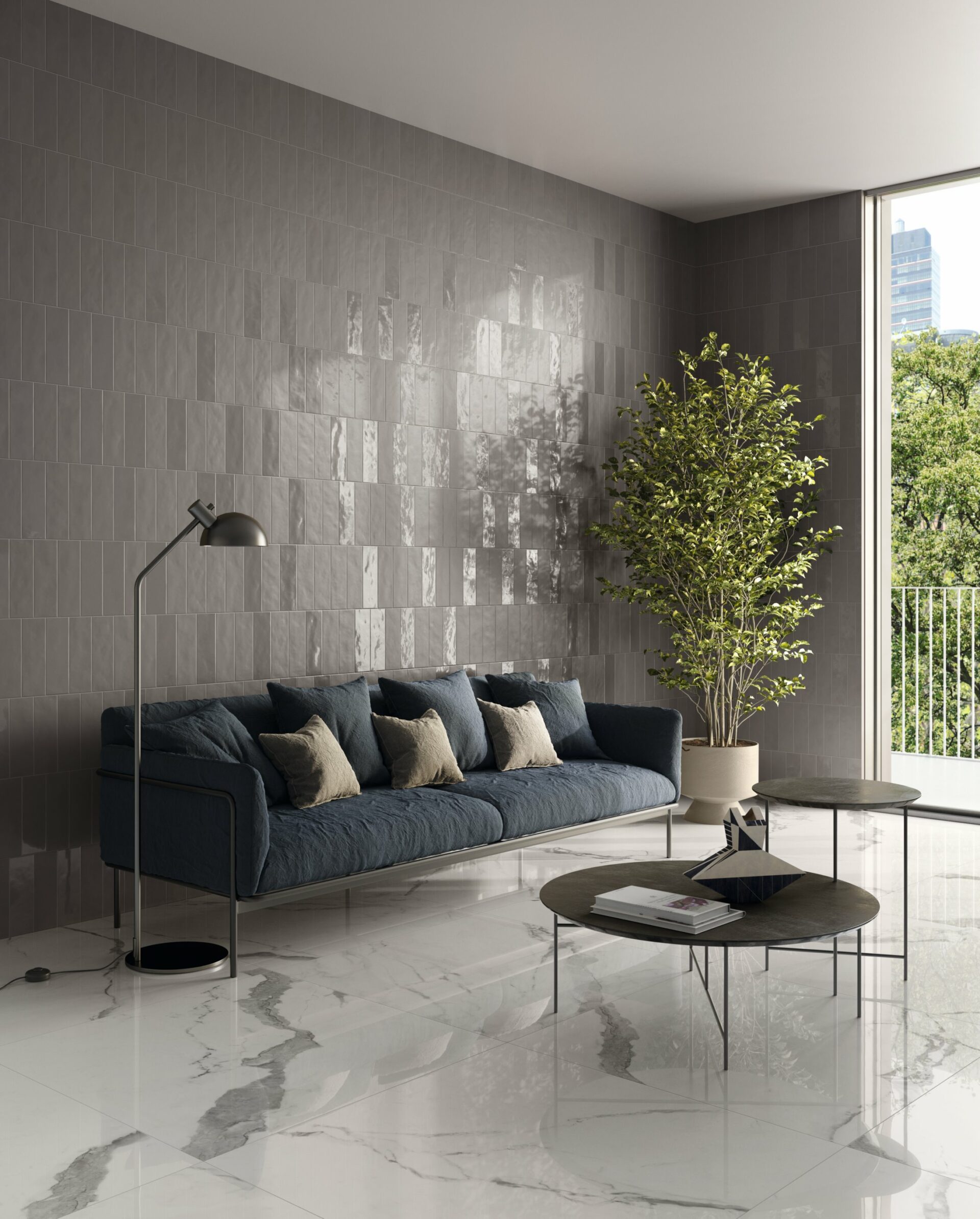
The spaces we inhabit are no longer mere shelters; they are canvases reflecting our innermost selves, evolving in sync with the rhythms of our lives. As lifestyles become increasingly intertwined with technology and sustainability, the demand for interiors that offer solace, functionality, and aesthetic pleasure has surged. Looking ahead to 2025, tile trends emerge not just as surface coverings but as essential elements in crafting environments that nurture well-being, promote creativity, and resonate with mindful living. The focus shifts from fleeting fads to enduring styles, marked by thoughtful material choices, innovative textures, and a deep understanding of spatial harmony. The tile trends of 2025 promise to transform houses into homes, seamlessly blending beauty with purpose.
The Evolution of Interior Aesthetics
Contemporary decor is undergoing a significant transformation, moving away from excess and embracing simplicity, sustainability, and purposeful design. This evolution is driven by a desire to create spaces that are both aesthetically pleasing and conducive to a balanced lifestyle. We see a heightened appreciation for natural materials, handcrafted elements, and designs that prioritize functionality without sacrificing style. This shift reflects a broader cultural movement towards conscious consumerism, where choices are made with an awareness of their environmental and social impact. Minimalism isn't just about decluttering physical space; it's about curating an environment that promotes mental clarity and emotional well-being. Spaces are becoming more versatile, adapting to the changing needs of their inhabitants, and reflecting a deeper understanding of how our surroundings influence our daily lives. The modern home is a sanctuary, a workspace, and a reflection of personal values, all rolled into one.
Three Defining Styles of 2025
In 2025, interior design is set to be characterized by three prominent styles: Japandi Minimalism, Revived Mid-Century Modern, and Organic Wabi-Sabi. Each of these styles offers a unique approach to creating spaces that are both beautiful and functional, reflecting a desire for simplicity, authenticity, and connection to nature.
Japandi Minimalism
Japandi, a fusion of Japanese and Scandinavian design philosophies, continues to gain momentum in 2025. It embodies the essence of'less is more,'combining the sleek lines of Scandinavian design with the minimalist aesthetic of Japanese interiors. This style emphasizes natural materials, muted color palettes, and clean, uncluttered spaces.
Materiality: In Japandi interiors, natural materials such as light-toned wood, bamboo, and linen take center stage. Tiles play a crucial role in grounding the space and adding texture. Expect to see large-format porcelain tiles mimicking the look of natural stone or concrete, often in matte finishes. Ceramic tiles with subtle variations in color and texture add a handcrafted touch.
Tonal Harmony: The color palette in Japandi spaces is typically neutral, featuring shades of white, gray, beige, and pale blue. These calming hues create a sense of serenity and openness. Tiles in these colors are often used to create seamless transitions between rooms, enhancing the feeling of spaciousness.
Spatial Rhythm: Japandi design focuses on creating a harmonious balance between form and function. Furniture is carefully selected for its simplicity and practicality. Tiles are used strategically to define zones within a space, such as creating a feature wall in a living room or a spa-like atmosphere in a bathroom.
Emotional Atmosphere: Japandi interiors evoke a sense of tranquility and mindfulness. The absence of clutter and the emphasis on natural materials contribute to a calming atmosphere. Tiles with a tactile quality, such as those with a slightly textured surface, enhance the sensory experience.
Revived Mid-Century Modern
Mid-Century Modern design, with its clean lines, organic shapes, and vibrant colors, is experiencing a resurgence in popularity. However, the 2025 revival brings a fresh perspective, incorporating sustainable materials and contemporary functionality. This style is all about celebrating the optimism and innovation of the mid-20th century while adapting it to modern lifestyles.
Materiality: While classic Mid-Century Modern often featured materials like wood veneer and laminate, the revived version emphasizes sustainability. Expect to see tiles made from recycled materials, such as glass or porcelain, as well as natural stone tiles with a focus on ethical sourcing. Geometric patterns are a hallmark of this style.
Tonal Harmony: The color palette for Revived Mid-Century Modern is bold and playful, featuring earthy tones like avocado green, mustard yellow, and burnt orange, alongside pops of brighter hues like turquoise and coral. Tiles are used to add visual interest and create focal points. Think about incorporating geometric patterned tiles.
Spatial Rhythm: Mid-Century Modern design emphasizes open floor plans and a seamless flow between spaces. Tiles are used to define different areas within a room, such as creating a tiled backsplash in a kitchen or a patterned floor in a living room.
Emotional Atmosphere: Revived Mid-Century Modern interiors exude a sense of nostalgia and optimism. The use of vibrant colors and playful patterns creates a cheerful and inviting atmosphere. Tiles contribute to the overall aesthetic by adding texture, color, and visual interest.
Organic Wabi-Sabi
Wabi-Sabi, a Japanese philosophy that embraces imperfection and transience, is gaining traction as a counterpoint to the polished perfection of contemporary design. This style celebrates the beauty of natural materials, the charm of handcrafted objects, and the acceptance of flaws. Organic Wabi-Sabi interiors are warm, inviting, and deeply personal.
Materiality: In Wabi-Sabi design, natural materials are essential. Expect to see terracotta tiles with uneven surfaces, handmade ceramic tiles with unique glazes, and stone tiles with visible imperfections. The focus is on celebrating the natural beauty of the materials rather than trying to conceal their flaws.
Tonal Harmony: The color palette for Organic Wabi-Sabi is muted and earthy, featuring shades of brown, beige, gray, and olive green. These colors evoke a sense of calm and connection to nature. Tiles are often used to create a sense of warmth and texture.
Spatial Rhythm: Wabi-Sabi design emphasizes simplicity and authenticity. Spaces are uncluttered and filled with objects that have personal meaning. Tiles are used to create a sense of groundedness and connection to the earth. This might mean using large format, earthy toned tiles throughout an entire living space.
Emotional Atmosphere: Organic Wabi-Sabi interiors evoke a sense of peace, contentment, and acceptance. The imperfections and irregularities in the materials create a feeling of authenticity and warmth. Tiles contribute to the overall aesthetic by adding texture, character, and a sense of history.
Material, Texture & Color
The tile trends of 2025 are deeply rooted in the principles of naturalism and sensorial experience. The materials, textures, and colors chosen for tiles play a crucial role in creating spaces that are both aesthetically pleasing and emotionally resonant.
Materials: Raw wood continues to be a dominant material in interior design, often complemented by tiles that mimic the look and feel of wood. Large-format porcelain tiles with realistic wood grain patterns are a popular choice for flooring, while smaller wood-look tiles are used for accent walls and backsplashes. Linen is another material that's gaining traction, offering a soft and tactile alternative to traditional textiles. Tiles with a linen-like texture, either in ceramic or porcelain, are used to create a sense of warmth and comfort. Ceramic remains a versatile and timeless material for tiles. In 2025, we're seeing a resurgence of handmade ceramic tiles with unique glazes and textures. These tiles add a handcrafted touch to interiors and celebrate the beauty of imperfection.
Texture: Texture is a key element in creating visually rich and engaging spaces. Tiles with a matte finish are increasingly popular, offering a subtle and sophisticated look. These tiles absorb light rather than reflect it, creating a softer and more inviting atmosphere. Textured tiles with raised patterns or subtle irregularities add depth and dimension to walls and floors. These tiles can be used to create a focal point in a room or to add visual interest to a more neutral space. Tactile tiles with a slightly rough or uneven surface engage the sense of touch and create a more sensory experience. These tiles are often used in bathrooms and kitchens, where they add a sense of warmth and comfort.
Color: The color palettes for 2025 tile trends are characterized by warmth and clarity. Earthy tones like beige, brown, and terracotta are popular choices, creating a sense of grounding and connection to nature. These colors are often paired with natural materials like wood and stone to create a cohesive and harmonious look. Muted pastels like pale blue, soft green, and dusty rose add a touch of color without overwhelming the space. These colors are often used in bathrooms and bedrooms to create a calming and serene atmosphere. Bold accents like deep blue, emerald green, and burnt orange are used sparingly to add visual interest and create focal points. These colors can be incorporated through patterned tiles, accent walls, or decorative accessories.
Integration of Function & Technology
The homes of 2025 seamlessly blend aesthetics with functionality and technology. Modular design, smart home integration, and sustainable innovation are key considerations in creating spaces that are both beautiful and efficient.
Modular Design: Modular design allows for flexibility and adaptability, enabling homeowners to customize their spaces to suit their changing needs. Modular tiles, which can be easily rearranged or replaced, are a popular choice for creating dynamic and personalized interiors.
Smart Home Integration: Smart home technology is becoming increasingly integrated into interior design, enhancing comfort, convenience, and energy efficiency. Tiles with built-in heating systems, smart lighting, and integrated sensors are just a few examples of how technology is being incorporated into tile design. For example, underfloor heating installed with ceramic tiles to increase thermal mass and conserve energy is a popular design.
Sustainable Innovation: Sustainability is a top priority in the tile industry. Manufacturers are developing eco-friendly tiles made from recycled materials, using water-based glazes, and reducing waste in the production process. These sustainable innovations are helping to create more environmentally responsible and ethically conscious interiors.
The tile trends of 2025 reflect a broader cultural shift towards mindful living, sustainable practices, and a deeper appreciation for the beauty of simplicity.
The future of home decor is an evolving narrative of personal identity and cultural influence. It's a story told through the careful selection of materials, textures, and colors, and through the integration of technology and sustainable practices. The homes of 2025 are not just spaces to live in; they are reflections of our values, our aspirations, and our connection to the world around us. The tile trends we'll be obsessed with in 2025 are a testament to this evolving narrative, offering endless possibilities for creating spaces that are both beautiful and meaningful.
.jpg)

.jpg)
Comments
Post a Comment