What Your Decor Style Says About You
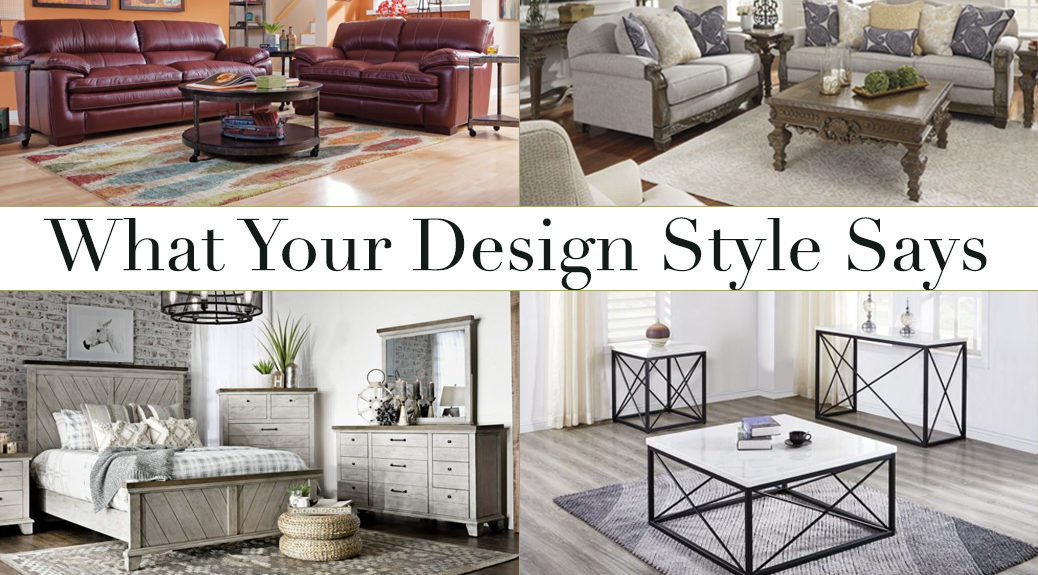
The spaces humans inhabit are not merely shelters; they are extensions of the self, carefully curated narratives told through color, texture, and form. In an increasingly fast-paced and interconnected world, the home has evolved from a simple dwelling into a sanctuary, a place of refuge, and a powerful medium for self-expression. The choices made in decorating a space—from the arrangement of furniture to the selection of art—speak volumes about one's personality, values, and aspirations. Understanding these subtle cues can offer profound insights into the psychology of interior aesthetics and how our environments shape our lives. This exploration delves into the intricate relationship between personal style and interior design, revealing what your decor choices truly convey.
The Evolution of Interior Aesthetics
Contemporary decor is no longer just about following trends; it represents a significant shift toward simplicity, sustainability, and purposeful design. Gone are the days of excessive ornamentation and superficial embellishments. Modern homeowners are increasingly seeking spaces that are not only beautiful but also functional, eco-friendly, and conducive to well-being. This evolution is driven by a growing awareness of the impact of our environments on our mental and physical health, as well as a desire to live in harmony with the planet. The focus has shifted from acquiring possessions to creating experiences, from ostentatious displays to understated elegance. Today's interiors reflect a desire for authenticity, connection, and a deeper sense of meaning.
Three Defining Styles of 2025
The interior design landscape is constantly evolving, with new styles emerging and existing ones being reinterpreted in fresh and innovative ways. Looking ahead to 2025, three distinct styles are poised to define the aesthetic preferences of many: Japandi Minimalism, Revived Mid-Century Modern, and Organic Wabi-Sabi. Each of these styles offers a unique approach to creating harmonious and meaningful living spaces.
Japandi Minimalism
Japandi is a hybrid style that seamlessly blends the clean lines and functionalism of Scandinavian design with the natural warmth and serene simplicity of Japanese aesthetics. It's a fusion of "hygge" (the Scandinavian concept of coziness) and "wabi-sabi" (the Japanese philosophy of finding beauty in imperfection).
Key Features
Materiality: Natural materials such as light wood (oak, birch), bamboo, and paper are central to Japandi design. These materials are often left in their raw or minimally processed state to showcase their inherent beauty. Think light wood flooring, simple wooden furniture, and handcrafted paper lanterns. Tonal Harmony: The color palette is typically neutral, with a focus on soft, muted tones such as whites, creams, grays, and beige. Accents of nature-inspired colors like forest green, indigo blue, and earthy browns can add depth and visual interest. Spatial Rhythm: Japandi emphasizes creating a sense of calm and order through uncluttered spaces and carefully curated arrangements. Furniture is often placed strategically to maximize natural light and flow of movement. Minimalism is key, with only essential items on display. Emotional Atmosphere: The overall effect is one of tranquility and serenity. Japandi spaces are designed to be calming and restorative, promoting a sense of well-being and mindfulness.
Practical Insight
Japandi is being reinterpreted today with a focus on sustainability and ethical sourcing. Designers are increasingly using recycled materials and partnering with local artisans to create pieces that are not only beautiful but also environmentally responsible. The style is also becoming more personalized, with homeowners incorporating elements of their own cultural heritage and personal interests.
Revived Mid-Century Modern
Mid-Century Modern, originating from the mid-20th century (roughly 1945 to 1969), is experiencing a resurgence in popularity. This style is characterized by its clean lines, organic shapes, and emphasis on functionality. However, the "revived" version of Mid-Century Modern incorporates contemporary elements and a more nuanced approach to color and texture.
Key Features
Materiality: Teak, walnut, and other hardwoods are commonly used for furniture. Chrome, glass, and vinyl are also incorporated for a touch of sleekness. The materiality often involves a mix of natural and manufactured elements. Tonal Harmony: While the original Mid-Century Modern embraced bold colors like avocado green, mustard yellow, and burnt orange, the revived version often features a more sophisticated palette. Earthy tones, muted blues, and warm grays are frequently used, with pops of color added through accessories and artwork. Spatial Rhythm: Open floor plans and a sense of spaciousness are hallmarks of Mid-Century Modern design. Furniture is often low-slung and arranged to encourage conversation and interaction. Emotional Atmosphere: Revived Mid-Century Modern evokes a sense of nostalgia and optimism, reminiscent of a bygone era. It also conveys a sense of sophistication and refinement.
Practical Insight
The modern interpretation of Mid-Century Modern prioritizes comfort and practicality. Upholstery fabrics are often softer and more durable, and furniture is designed to be more ergonomic. There's also a greater emphasis on incorporating sustainable materials and energy-efficient lighting.
Organic Wabi-Sabi
Organic Wabi-Sabi embraces the beauty of imperfection, impermanence, and naturalness. It's a style that celebrates the unique character of handmade objects and the natural aging process. It is also considered to be a form of eco-minimalism by some designers.
Key Features
Materiality: Natural, unprocessed materials such as clay, stone, wood, and linen are essential. These materials are often left in their raw or textured state to showcase their inherent beauty. Tonal Harmony: The color palette is earthy and muted, with a focus on natural tones like browns, beiges, grays, and greens. Variations in shade and texture are celebrated, creating a sense of depth and visual interest. Spatial Rhythm: Organic Wabi-Sabi encourages a sense of flow and connection to nature. Spaces are often open and airy, with minimal clutter. Asymmetrical arrangements and unexpected juxtapositions are embraced. Emotional Atmosphere: The style fosters a sense of peace, acceptance, and connection to the natural world. It's a style that encourages mindfulness and appreciation for the simple things in life.
Practical Insight
In contemporary design, Organic Wabi-Sabi is often combined with elements of other styles, such as Japandi or Scandinavian, to create spaces that are both beautiful and functional. Designers are also experimenting with new ways to incorporate sustainable materials and practices, such as using reclaimed wood and natural dyes.
Material, Texture & Color
Current trends in materials, textures, and color palettes reflect a desire for warmth, clarity, and connection to nature. Raw wood, linen, and ceramic are becoming increasingly popular choices for creating spaces that feel both inviting and authentic.
Raw Wood: Unfinished or minimally processed wood adds a sense of warmth and naturalness to any space. Its unique grain patterns and imperfections create visual interest and character. Linen: This natural fiber is known for its softness, breathability, and durability. Linen fabrics add a touch of understated elegance to furniture, bedding, and window treatments. Ceramic:Handmade ceramic tiles, pottery, and decorative objects add a sense of artistry and craftsmanship to interiors. Their earthy tones and unique textures create a connection to the natural world.
In terms of color palettes, there's a growing trend toward warm neutrals, earthy tones, and muted hues. These colors create a sense of calm and serenity, while also providing a versatile backdrop for bolder accents.
Integration of Function & Technology
Contemporary decor is no longer just about aesthetics; it's about seamlessly integrating functionality and technology into our living spaces. Modular design, smart home integration, and sustainable innovation are all playing a key role in shaping the future of interior design.
Modular Design: Modular furniture and storage solutions allow homeowners to easily customize their spaces to meet their changing needs. These versatile pieces can be reconfigured or added to as needed, making them ideal for small spaces or those who frequently move. Smart Home Integration: Smart home technology is becoming increasingly integrated into interior design, from smart lighting and thermostats to voice-activated assistants and automated window treatments. These technologies enhance comfort, convenience, and energy efficiency. Sustainable Innovation:Sustainable materials and practices are becoming increasingly important in the design world. Designers are exploring new ways to use recycled materials, reduce waste, and create energy-efficient spaces.
The integration of function and technology is transforming the way we live in our homes. By combining aesthetics with practicality, we can create spaces that are not only beautiful but also functional, comfortable, and sustainable.
In conclusion, home decor transcends mere aesthetics; it serves as an evolving narrative of personal identity and cultural influence. The styles we gravitate towards, the materials we choose, and the way we integrate technology all reflect our values, aspirations, and connection to the world around us. As we move forward, the home will continue to be a canvas for self-expression and a sanctuary for well-being.
.jpg)

.jpg)
Comments
Post a Comment