Why Everyone Is Switching to Japandi Decor (And You Should Too)
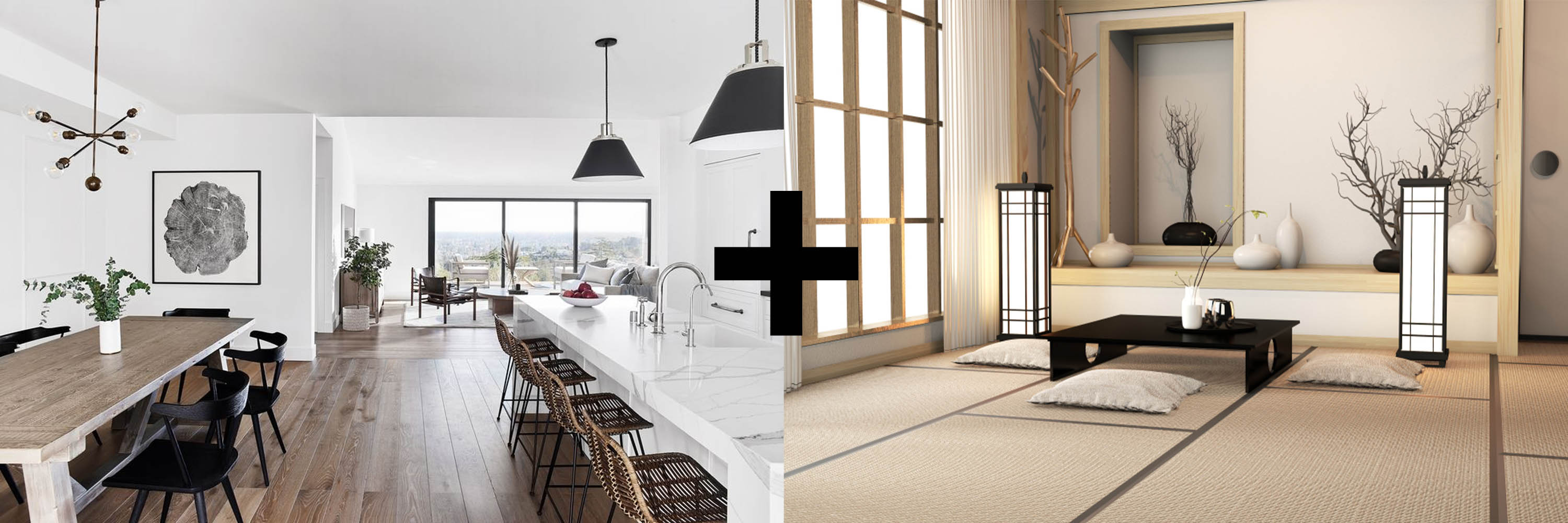
The home, once solely a sanctuary of rest, now serves as a multifaceted arena—a workspace, a haven for wellness, and a canvas for self-expression. As lifestyles shift and the demands of modern living intensify, the spaces we inhabit are being reimagined to nurture both productivity and tranquility. This evolution has spurred a quest for interior aesthetics that not only please the eye but also resonate with the soul, leading to a surge in design philosophies that prioritize simplicity, mindfulness, and a deep connection with nature. More and more individuals are seeking environments that offer respite from the chaos of the outside world, opting for designs that echo a sense of calm, balance, and understated elegance. It's within this context that Japandi decor has emerged as a frontrunner, captivating hearts and transforming homes with its harmonious blend of Scandinavian and Japanese principles.
The Evolution of Interior Aesthetics
Contemporary decor is increasingly reflecting a move away from excessive ornamentation and towards purposeful design. This shift is driven by a growing awareness of environmental sustainability, a desire for clutter-free living, and a deeper understanding of how our surroundings affect our mental and emotional wellbeing. People are actively seeking out interiors that promote a sense of wellbeing, foster creativity, and offer a sanctuary from the digital age. This has led to a focus on natural materials, minimalist layouts, and designs that prioritize functionality without sacrificing aesthetic appeal. The modern home is no longer just a place to live; it's a carefully curated environment designed to enhance the quality of life.
Three Defining Styles of 2025
While diverse design trends emerge each year, some styles persist and evolve, defining the aesthetic landscape of interior design. In 2025, three distinct yet interconnected styles continue to shape homes around the world: Japandi Minimalism, Revived Mid-Century Modern, and Organic Wabi-Sabi.
Japandi Minimalism
Japandi, a hybrid of Japanese and Scandinavian design philosophies, is characterized by its clean lines, muted color palettes, and emphasis on natural materials. It embodies the principles ofhyggefrom Scandinavia andwabi-sabifrom Japan, creating spaces that are both cozy and elegantly imperfect.
Materiality: The core of Japandi lies in its thoughtful use of materials. Raw wood, particularly light-toned varieties like oak and ash, is prevalent, often contrasted with darker woods like walnut to add depth. Natural textures are key, with linen, cotton, and wool fabrics used for upholstery and textiles. Ceramics, often handcrafted, introduce an element of artistry and organic form. Tonal Harmony: Japandi palettes typically consist of neutral colors, with shades of white, gray, and beige forming the foundation. These are often complemented by earthy tones like terracotta, muted greens, and deep blues, reflecting the natural world. The emphasis is on creating a calming and cohesive visual experience. Spatial Rhythm: Japandi design prioritizes open spaces and uncluttered surfaces. Furniture is carefully selected for its functionality and aesthetic appeal, with a focus on pieces that are both beautiful and practical. Negative space is embraced, allowing the eye to rest and creating a sense of tranquility. Emotional Atmosphere: The overarching goal of Japandi is to create spaces that feel warm, inviting, and serene. This is achieved through a combination of natural light, soft textures, and a mindful approach to decoration. Plants play a crucial role, bringing a touch of nature indoors and purifying the air.
Today, Japandi is being reinterpreted with a focus on sustainability. Designers are increasingly incorporating recycled materials, vintage furniture, and energy-efficient lighting to create eco-conscious spaces that are both stylish and responsible.
Revived Mid-Century Modern
Mid-Century Modern, with its clean lines, organic shapes, and emphasis on functionality, has experienced a significant resurgence in recent years. This style, which originated in the mid-20th century, continues to resonate with its timeless appeal and versatility.
Materiality: Mid-Century Modern design often features a mix of materials, including wood (particularly teak and walnut), metal, glass, and vinyl. These materials are used to create furniture and accessories that are both durable and visually striking. Tonal Harmony: The color palettes associated with Mid-Century Modern are generally warm and inviting, with shades of orange, yellow, green, and brown predominating. These colors are often paired with neutrals like white, black, and gray to create a balanced and sophisticated look. Spatial Rhythm: Mid-Century Modern spaces are characterized by open floor plans, clean lines, and a sense of spaciousness. Furniture is typically low-slung and streamlined, allowing for easy movement and a comfortable flow. Emotional Atmosphere: This style evokes a sense of optimism, progress, and a connection to the natural world. The use of natural materials, organic shapes, and vibrant colors creates a lively and inviting atmosphere.
The revival of Mid-Century Modern today sees a stronger emphasis on comfort and personalization. Designers are incorporating plush textiles, layered rugs, and curated art collections to create spaces that feel both stylish and inviting. There is also a growing trend of mixing vintage Mid-Century pieces with contemporary designs to create a unique and eclectic look.
Organic Wabi-Sabi
Wabi-Sabi, a Japanese philosophy that embraces imperfection, transience, and simplicity, is increasingly influencing interior design. This style celebrates the beauty of natural materials, handcrafted objects, and the passage of time.
Materiality: Wabi-Sabi design focuses on using natural, unrefined materials. Think raw wood, textured stone, handmade ceramics, and natural fibers. The imperfections and irregularities of these materials are celebrated as part of their unique character. Tonal Harmony: The color palette for Wabi-Sabi is typically muted and earthy, with shades of brown, gray, beige, and muted greens. The focus is on creating a sense of harmony and tranquility through a limited color range. Spatial Rhythm: Wabi-Sabi spaces are often characterized by their simplicity and lack of clutter. Furniture is carefully chosen for its functionality and beauty, and there is an emphasis on creating a sense of calm and order. Emotional Atmosphere: Wabi-Sabi design evokes a sense of peace, tranquility, and connection to nature. The imperfections and irregularities of the materials create a feeling of authenticity and a reminder of the passage of time.
The contemporary interpretation of Wabi-Sabi often involves incorporating elements of sustainability and ethical sourcing. Designers are increasingly using recycled materials, supporting local artisans, and choosing products that are made with minimal environmental impact. The goal is to create spaces that are not only beautiful but also responsible and mindful.
Material, Texture & Color
Current trends in materials, textures, and color palettes are all geared towards creating spaces that evoke warmth, clarity, and a connection to the natural world.
Materials: Raw wood remains a dominant material, with a preference for light-toned species like oak and maple. These woods bring warmth and natural beauty to interiors, while also providing a versatile base for other design elements. Linen is another popular choice, prized for its soft texture, breathability, and natural drape. Ceramic, particularly handcrafted pieces, is used to add a touch of artistry and individuality to spaces. From vases and bowls to tiles and lighting fixtures, ceramic objects bring a tactile quality and a sense of connection to the maker. Textures: Texture plays a crucial role in creating visually interesting and inviting spaces. Layering different textures, such as smooth wood, rough linen, and textured ceramics, adds depth and dimension to interiors. Natural textures, like woven rugs, knitted throws, and textured wall coverings, are particularly popular, as they bring a sense of warmth and comfort to the home. Color Palettes:The color palettes favored in contemporary design are generally soft, muted, and inspired by nature. Shades of white, gray, and beige form the foundation, providing a neutral backdrop for other colors and textures. Earthy tones, like terracotta, ochre, and sage green, add warmth and depth, while muted blues and greens evoke a sense of calm and serenity. The use of accent colors is often restrained, with a focus on creating a cohesive and harmonious overall look.
Integration of Function & Technology
Contemporary decor is increasingly focused on merging aesthetics with functionality and seamlessly integrating technology into the home environment. This trend reflects the demands of modern living, where spaces must be both beautiful and practical.
Modular Design: Modular furniture and storage solutions are gaining popularity, as they offer flexibility and adaptability. These pieces can be easily reconfigured to suit changing needs, making them ideal for small spaces or for those who like to rearrange their interiors frequently. Modular sofas, shelving units, and storage systems allow individuals to customize their spaces to fit their specific lifestyles. Smart Home Integration: Smart home technology is becoming increasingly integrated into interior design. From smart lighting and thermostats to voice-controlled assistants and automated blinds, technology is being used to enhance comfort, convenience, and energy efficiency. Smart home devices are often seamlessly integrated into the design, with a focus on minimizing visual clutter and creating a clean and streamlined look. Sustainable Innovation: Sustainability is a key driver of innovation in the design industry. Designers are increasingly using recycled materials, energy-efficient lighting, and water-saving fixtures to create eco-conscious spaces. There is also a growing focus on reducing waste and promoting circularity, with designers exploring ways to reuse and repurpose existing materials and objects. Sustainable innovation is not only good for the environment but also adds value to homes by reducing energy costs and promoting a healthier living environment. Multi-functional Spaces: The need for adaptable living spaces has propelled the design of multi-functional furniture. Coffee tables become dining tables, sofas transform into beds, and walls conceal entire workspaces. This approach maximizes the usability of every square foot, making it ideal for urban dwellers and those seeking to streamline their living arrangements.
The future of home decor is not just about aesthetics; it's about creating spaces that enhance our lives, promote wellbeing, and reflect our values. The integration of function and technology is essential for creating homes that are both beautiful and practical.
As home decor evolves, it becomes a narrative of personal identity and cultural influence—a reflection of our aspirations and a testament to our evolving understanding of how spaces shape our lives. The trend towards Japandi and similar styles suggests a desire for simplicity, sustainability, and a deeper connection with the natural world, all while embracing the functionality required for modern living. The choices made in decorating homes are not merely aesthetic; they are statements about who we are and how we wish to live.
.jpg)

.jpg)
Comments
Post a Comment