2025’s Most Popular Home Styles Ranked
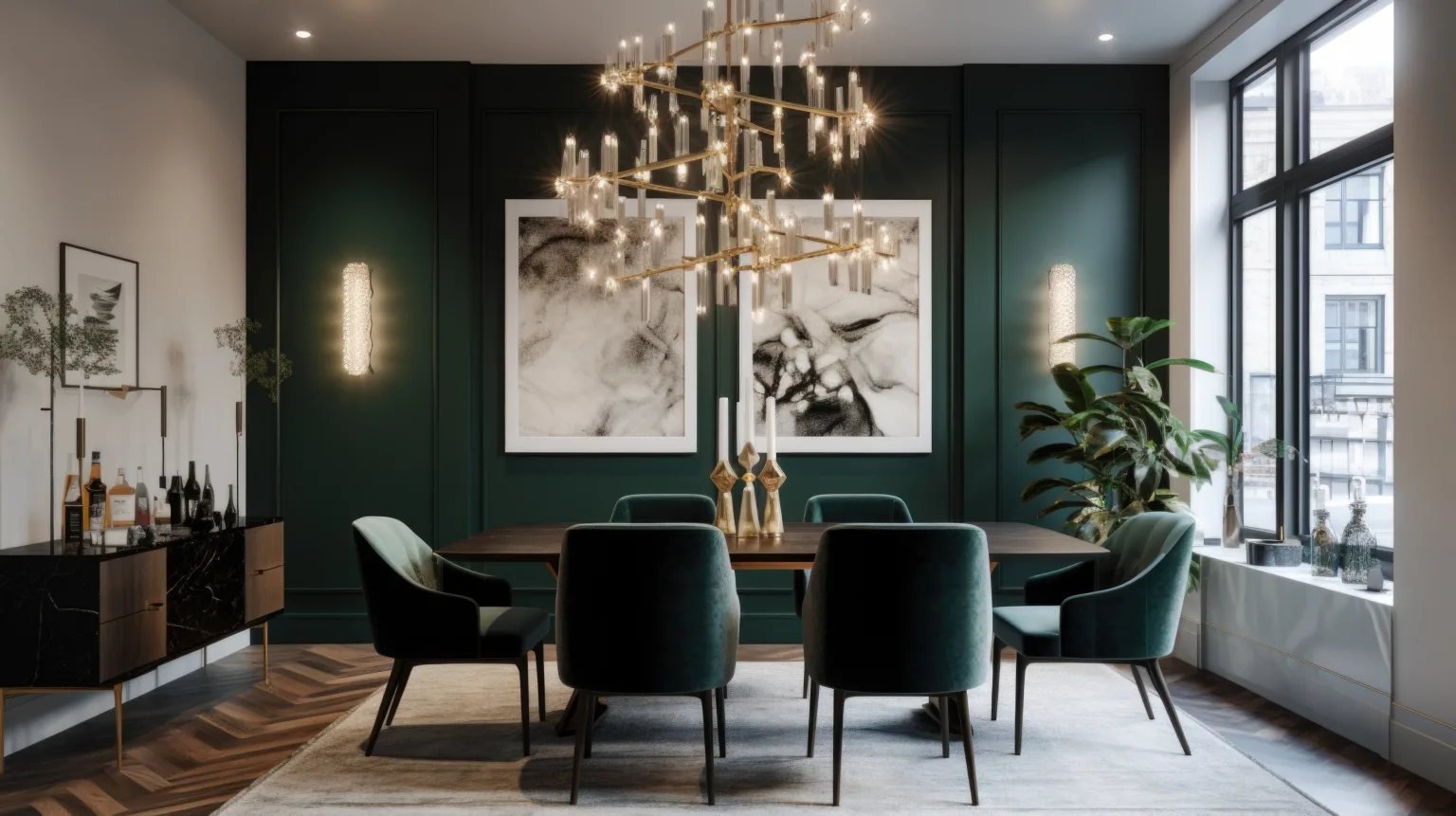
The homes we inhabit are more than just structures; they are living canvases that reflect our deepest selves, our aspirations, and the evolving tapestry of our lives. As we approach 2025, interior design is not merely about aesthetics but about crafting environments that nurture well-being, foster creativity, and adapt to the rhythm of our daily routines. Trends are no longer fleeting fads but rather thoughtful responses to a world that values simplicity, sustainability, and a profound connection to nature. The spaces we create are becoming sanctuaries – intentional, authentic, and deeply personal. This exploration delves into the emerging home styles poised to define 2025, examining their defining characteristics and the underlying philosophies that make them resonate with our current desires.
The Evolution of Interior Aesthetics
Contemporary decor is undergoing a profound transformation, driven by a collective desire for spaces that are not only beautiful but also functional and meaningful. This evolution marks a departure from ostentatious displays of wealth and a move towards celebrating simplicity, sustainability, and purposeful design. The modern homeowner seeks to create environments that promote calmness, foster creativity, and reflect a commitment to responsible living. Clutter is out, and conscious curation is in.
This shift is fueled by a growing awareness of the impact of our consumption habits on the planet. Sustainable materials, eco-friendly practices, and a focus on longevity are now integral components of thoughtful interior design. Similarly, the rise of remote work and flexible living arrangements has necessitated adaptable spaces that can seamlessly transition between work, leisure, and rest. Homes are now multi-functional environments that must cater to a diverse range of needs. More and more emphasis has been placed on the use of natural light, air quality, andergonomic designto create spaces that enhance productivity and well-being. The concept of biophilic design, which seeks to connect us with nature through the incorporation of natural elements, has gained significant traction. From indoor plants to natural textures and organic forms, designers are leveraging the power of nature to create restorative environments. Ultimately, the evolution of interior aesthetics in 2025 reflects a desire for homes that are both beautiful and beneficial – spaces that enhance our lives while minimizing our impact on the planet.
Three Defining Styles of 2025
As we approach 2025, three distinct yet interconnected styles are emerging as dominant forces in home decor: Japandi Minimalism, Revived Mid-Century Modern, and Organic Wabi-Sabi. Each of these styles offers a unique approach to creating harmonious and inviting spaces, reflecting a shared emphasis on simplicity, natural materials, and a deep connection to the environment.
Japandi Minimalism
Japandi is a harmonious blend of Japanese and Scandinavian design philosophies, merging the serene elegance of Japanese aesthetics with the warmth and functionality of Scandinavian minimalism. The result is a style that exudes tranquility, simplicity, and a profound appreciation for natural beauty. Key features include:
Materiality: Japandi design prioritizes natural, sustainable materials such as wood, bamboo, linen, and paper. These materials are often left in their raw or minimally processed state to highlight their inherent textures and imperfections. Wood is particularly prominent, often used for flooring, furniture, and accent pieces, creating a sense of warmth and connection to nature.
Tonal Harmony: The color palette in Japandi design is typically muted and neutral, featuring shades of white, gray, beige, and soft pastels. Accents of black or dark brown are used to create contrast and add visual interest. The overall effect is calming and serene, promoting a sense of peace and tranquility.
Spatial Rhythm: Japandi emphasizes clean lines, uncluttered spaces, and a sense of openness. Furniture is often low-slung and minimal, creating a sense of groundedness and stability. Thoughtful placement of objects and a focus on negative space contribute to a sense of balance and harmony.
Emotional Atmosphere: Japandi creates a sense of“hygge”, a Danish word for coziness, mixed with Japanese“wabi-sabi”, which is an appreciation for the imperfect and incomplete. This translates to spaces that feel both inviting and serene, encouraging relaxation and mindfulness.
Today, Japandi is being reinterpreted with a focus on incorporating artisanal elements and handcrafted pieces. Designers are also experimenting with bolder color accents, such as deep blues and greens, to add depth and personality to the minimalist aesthetic.
Revived Mid-Century Modern
Mid-Century Modern, which gained popularity in the post-World War II era, is experiencing a resurgence in 2025, driven by its timeless appeal and emphasis on clean lines, functional design, and a connection to nature. However, the revived Mid-Century Modern is not a mere replica of the past; it incorporates modern sensibilities and sustainable practices.
Materiality: The style is defined by its use of natural materials like wood (particularly teak and walnut), leather, and glass. Chrome and other metals are used sparingly to add a touch of sophistication. Modern interpretations often incorporate recycled materials and sustainable alternatives.
Tonal Harmony: The color palette of Mid-Century Modern is characterized by warm, earthy tones such as browns, oranges, and yellows, often contrasted with cool blues and greens. Pops of vibrant color, such as mustard yellow or avocado green, are used strategically to add visual interest.
Spatial Rhythm: The emphasis is on open-plan living and a seamless flow between indoor and outdoor spaces. Furniture is often low-profile and designed to be both functional and aesthetically pleasing. Clean lines and geometric shapes are dominant features.
Emotional Atmosphere: Revived Mid-Century Modern evokes a sense of nostalgia and optimism, creating spaces that feel both stylish and comfortable. The emphasis on natural light and connection to the outdoors contributes to a sense of well-being and vitality.
The revived Mid-Century Modern is being reinterpreted with a focus on sustainability and personalization. Designers are incorporating vintage and repurposed pieces, as well as incorporating modern technologies and smart home features.
Organic Wabi-Sabi
Wabi-Sabi is a Japanese aesthetic philosophy that celebrates imperfection, impermanence, and the beauty of natural materials. In 2025, this style is gaining traction as a counterpoint to the polished perfection of mainstream design. Organic Wabi-Sabi embraces asymmetry, irregularity, and the unique character of each object and space.
Materiality: Natural, unrefined materials are central to Wabi-Sabi design. Think raw wood, textured stone, handmade ceramics, and naturally dyed textiles. Imperfections such as cracks, knots, and variations in color are celebrated as signs of authenticity.
Tonal Harmony: The color palette is inspired by nature, featuring earthy tones such as browns, grays, greens, and muted blues. The emphasis is on creating a sense of depth and texture through subtle variations in color and tone.
Spatial Rhythm: Wabi-Sabi emphasizes creating spaces that feel lived-in and authentic. Furniture is often repurposed or antique, and objects are arranged in a way that feels natural and unstudied. The emphasis is on creating a sense of balance and harmony rather than perfect symmetry.
Emotional Atmosphere: Organic Wabi-Sabi evokes a sense of calm, acceptance, and connection to the natural world. The imperfections and irregularities of the space create a sense of character and depth, making it feel both comforting and inspiring.
Today, Wabi-Sabi is being reinterpreted with a focus on creating spaces that are both beautiful and functional. Designers are incorporating modern amenities and sustainable practices while maintaining the essential principles of the style. The style blends well with other design styles such as bohemian, modern farmhouse, and even minimalist decor.
Material, Texture & Color
The selection of materials, textures, and colors plays a crucial role in creating the desired atmosphere and emotional impact within a space. In 2025, we see a continued emphasis on natural materials, tactile textures, and calming color palettes that evoke warmth, clarity, and a sense of connection to the natural world.
Materials: Raw wood continues to be a dominant material, valued for its warmth, texture, and natural beauty. Reclaimed wood, in particular, is gaining popularity as a sustainable and characterful option. Linen, with its soft, breathable texture, is another favored material for upholstery, curtains, and bedding. Ceramic, both handmade and mass-produced, is used extensively for tableware, decorative objects, and even wall tiles, adding a touch of artistry and craftsmanship. Natural stone, such as marble, granite, and slate, adds a sense of luxury and permanence to interiors.
Textures: Tactile textures are becoming increasingly important in creating visually rich and engaging spaces. Think woven rugs, textured wall coverings, and chunky knit throws. The interplay of different textures adds depth and dimension to a room, making it feel more inviting and comfortable.
Color Palettes: Color palettes in 2025 are trending towards calming, nature-inspired hues. Warm neutrals such as beige, cream, and taupe provide a versatile backdrop for layering in accent colors. Soft greens, blues, and grays evoke a sense of tranquility and connection to the outdoors. Pops of warmer colors, such as terracotta, rust, and mustard yellow, add a touch of energy and vibrancy. Overall, the emphasis is on creating color palettes that are both soothing and stimulating, promoting a sense of balance and well-being.
Integration of Function & Technology
In 2025, home decor is no longer solely about aesthetics; it's about creating spaces that seamlessly integrate functionality and technology to enhance our lives. Modular design, smart home integration, and sustainable innovation are key trends shaping the future of interior design.
Modular Design: Modular furniture and storage solutions are becoming increasingly popular, offering flexibility and adaptability to changing needs. These systems can be easily reconfigured to accommodate different spaces and lifestyles, making them ideal for small apartments and multi-functional rooms.
Smart Home Integration: Smart home technology is being integrated into every aspect of interior design, from lighting and temperature control to security and entertainment. Voice-activated assistants, smart appliances, and automated window coverings are just a few examples of how technology is making our homes more convenient and efficient.
Sustainable Innovation: Sustainable innovation is driving the development of new materials and technologies that minimize the environmental impact of interior design. Recycled materials, energy-efficient lighting, and water-saving fixtures are becoming standard features in modern homes.
The integration of function and technology is transforming the way we live in our homes, making them more comfortable, efficient, and sustainable.
As we journey further into the 21st century, our homes will continue to evolve as reflections of our personal narratives and the broader cultural landscape. The home decor styles of 2025 offer a glimpse into this future, emphasizing simplicity, sustainability, and a profound connection to the natural world. These trends represent a shift toward creating spaces that nurture well-being, foster creativity, and adapt to the ever-changing rhythms of our lives. The interplay of design elements—from materiality to tonal harmony—shapes not just the visual appeal but also the emotional atmosphere of a space, making it a true sanctuary. The integration of function and technology further enhances our living experiences, seamlessly blending aesthetics with practicality.
Ultimately, the future of home decor is about creating spaces that are not only beautiful but also meaningful—places where we can truly feel at home.
.jpg)

.jpg)
Comments
Post a Comment