Cozy Up: Winter Decor Ideas for Every Style
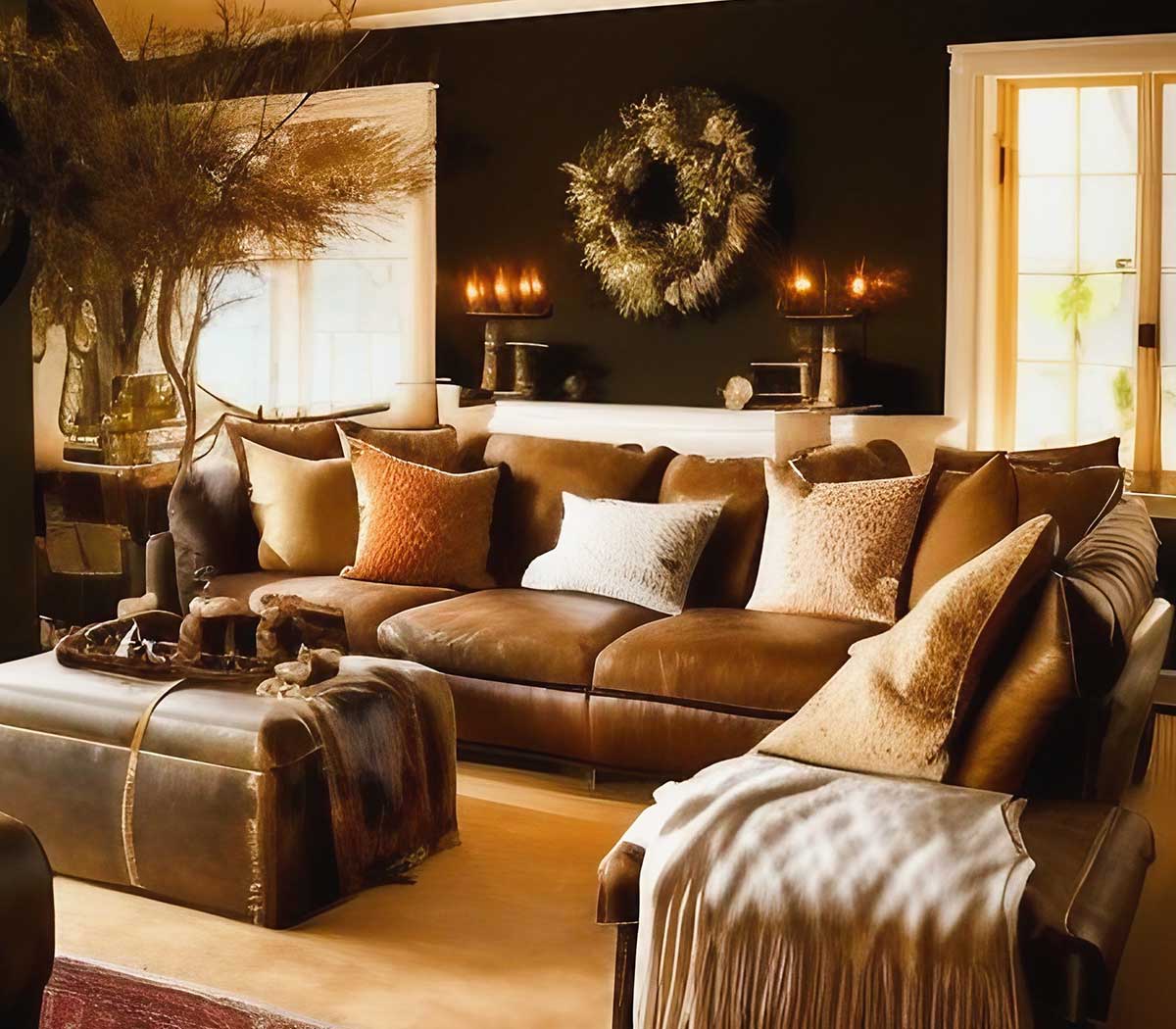
Winter beckons a retreat indoors, a call to transform our homes into havens of warmth and tranquility. More than mere shelter, our living spaces increasingly serve as extensions of ourselves, reflecting our values, aspirations, and evolving lifestyles. In response to the frenetic pace of modern life, the focus has shifted toward creating environments that nurture our well-being, offering solace and a sense of groundedness. Thoughtful winter decor, therefore, is not just about aesthetics; it’s about crafting a sanctuary. A carefully curated space will foster comfort, joy, and a profound connection to the present moment. This season, let’s explore how to "cozy up" our homes, infusing them with the spirit of winter through design that resonates with our individual style.
The Evolution of Interior Aesthetics
Contemporary decor is undergoing a significant transformation, moving away from excess and toward simplicity, sustainability, and purposeful design. Driven by a desire for authenticity and mindful living, homeowners are increasingly drawn to designs that celebrate natural materials, embrace imperfections, and prioritize functionality. Sustainability is no longer a niche concern but a central tenet of good design, influencing material choices, manufacturing processes, and the overall lifespan of furnishings. This shift is not merely a trend but a reflection of a deeper cultural shift toward responsible consumption and a greater appreciation for the environment. Moreover, there's a growing recognition of the impact our surroundings have on our mental and emotional well-being. Decor is now consciously employed to create spaces that are calming, restorative, and conducive to productivity and creativity.
Three Defining Styles of 2025
Looking ahead, several key styles are emerging as influential forces in the realm of interior design, each offering a unique approach to creating cozy and inviting winter spaces: Japandi Minimalism, Revived Mid-Century Modern, and Organic Wabi-Sabi.
Japandi Minimalism
Japandi, a fusion of Japanese and Scandinavian aesthetics, seamlessly blends the warmth of Nordic design with the serene elegance of Japanese principles. This style champions simplicity, functionality, and natural materials. Key features include clean lines, uncluttered spaces, and a neutral color palette punctuated by earthy tones.
Materiality: Japandi embraces natural materials such as light-toned wood (oak, birch), linen, cotton, and paper. These materials are often left in their raw or minimally processed state, showcasing their inherent beauty and texture.Tonal Harmony: The color palette typically revolves around soft grays, whites, beiges, and muted blues, creating a sense of calm and tranquility. Accents of black or charcoal can be used sparingly to add contrast and visual interest.Spatial Rhythm: Japandi emphasizes the importance of empty space ("ma" in Japanese), allowing each element to breathe and preventing visual clutter. Furniture is carefully selected for its functionality and understated elegance.Emotional Atmosphere: The overall effect is one of serene simplicity, creating a space that is both visually appealing and emotionally restorative.
Today, Japandi is being reinterpreted with a focus on sustainability. Designers are incorporating recycled materials, vintage furniture, and handcrafted items to add character and depth to the spaces. The inclusion of indoor plants further enhances the connection to nature, bringing a sense of vitality and freshness into the home.
Revived Mid-Century Modern
Mid-Century Modern design, characterized by its clean lines, organic shapes, and functional simplicity, is experiencing a resurgence in popularity. This style, which originated in the mid-20th century, embodies optimism, innovation, and a celebration of modern living.
Materiality: Mid-Century Modern design incorporates a variety of materials, including wood (teak, walnut), metal, glass, and plastic. These materials are often combined in unexpected ways, creating a sense of visual interest and dynamism.Tonal Harmony: The color palette is typically warm and inviting, with earthy tones such as oranges, browns, and greens predominating. Pops of brighter colors, such as turquoise or yellow, can be used to add a playful touch.Spatial Rhythm: Mid-Century Modern furniture is designed to be both functional and aesthetically pleasing, often featuring clean lines and organic curves. Furniture placement is carefully considered to create a sense of flow and openness.Emotional Atmosphere: The overall effect is one of warmth, comfort, and understated elegance, creating a space that is both inviting and sophisticated.
The revived Mid-Century Modern style is being reinterpreted with a focus on comfort and personalization. Designers are incorporating plush textiles, cozy seating, and personal collections to create spaces that feel both stylish and lived-in. The integration of modern technology, such as smart lighting and home automation systems, further enhances the functionality and convenience of these spaces.
Organic Wabi-Sabi
Wabi-Sabi, a Japanese philosophy that celebrates imperfection, impermanence, and the beauty of natural materials, is gaining traction as a design aesthetic. This style embraces asymmetry, irregularity, and the patina of age, creating spaces that feel authentic, soulful, and deeply personal.
Materiality: Wabi-Sabi prioritizes natural materials such as raw wood, stone, clay, and aged metals. These materials are often left in their natural state, showcasing their unique textures and imperfections.Tonal Harmony: The color palette is typically muted and earthy, with a focus on natural hues such as browns, grays, greens, and ochre. These colors create a sense of calm and connection to the earth.Spatial Rhythm: Wabi-Sabi embraces asymmetry and irregularity, allowing spaces to evolve organically over time. Furniture is often mismatched and imperfect, reflecting the beauty of imperfection.Emotional Atmosphere: The overall effect is one of quiet contemplation, inviting us to appreciate the beauty of the present moment. Wabi-Sabi spaces feel warm, inviting, and deeply personal, reflecting the unique stories and experiences of their inhabitants.
Today, Organic Wabi-Sabi is being reinterpreted with a focus on sustainability and mindful consumption. Designers are incorporating reclaimed materials, vintage furniture, and handcrafted items to create spaces that are both beautiful and environmentally responsible. The inclusion of natural elements, such as plants, stones, and water features, further enhances the connection to nature, creating a sense of peace and tranquility.
Material, Texture & Color
Selecting the right materials, textures, and colors is crucial for creating a cozy and inviting winter atmosphere. Current trends emphasize natural materials that evoke warmth, clarity, and a sense of connection to the outdoors.
Materials: Raw wood, with its natural grain and warmth, is a popular choice for flooring, furniture, and accent pieces. Linen, known for its softness and durability, is ideal for bedding, curtains, and upholstery. Ceramic, with its earthy textures and organic shapes, is perfect for tableware, vases, and decorative objects.
Textures: Layering different textures is essential for creating visual interest and depth. Incorporate chunky knit throws, faux fur pillows, and textured rugs to add warmth and coziness. Combine smooth surfaces with rough ones to create contrast and intrigue.
Colors: The color palette for winter decor is typically warm and inviting, with a focus on neutral tones and earthy hues. Soft grays, whites, and beiges create a sense of calm and serenity. Accents of warm colors, such as terracotta, mustard yellow, and deep greens, add warmth and vibrancy. Embrace the power of color psychology to create spaces that support your desired mood and energy levels.
Integration of Function & Technology
Modern decor increasingly merges aesthetics with functionality, reflecting the demands of contemporary living. Modular design, smart home integration, and sustainable innovation are key trends shaping the future of interior spaces.
Modular Design: Modular furniture and storage solutions offer flexibility and adaptability, allowing homeowners to customize their spaces to suit their changing needs. These systems are designed to be easily reconfigured, rearranged, and expanded, making them ideal for small spaces or multi-functional rooms.
Smart Home Integration: Smart home technology is being seamlessly integrated into decor, enhancing convenience, comfort, and energy efficiency. Smart lighting systems, automated blinds, and programmable thermostats allow homeowners to create personalized environments that respond to their individual preferences.
Sustainable Innovation: Sustainability is driving innovation in the design and manufacturing of home furnishings. Designers are exploring new materials and processes that minimize environmental impact, reduce waste, and promote responsible consumption. Examples include furniture made from recycled materials, energy-efficient appliances, and water-saving fixtures.
Ultimately, the goal is to create spaces that are not only beautiful and functional but also contribute to a healthier and more sustainable lifestyle.
In conclusion, the future of home decor is an evolving narrative of personal identity and cultural influence. By embracing the principles of simplicity, sustainability, and mindful design, individuals can create spaces that reflect their values, nurture their well-being, and enhance their connection to the world around them. As we move forward, the home will continue to serve as a sanctuary, a place where we can find solace, inspiration, and a profound sense of belonging.
.jpg)

.jpg)
Comments
Post a Comment