Does Your Home Make You Happy? These 5 Signs Say No
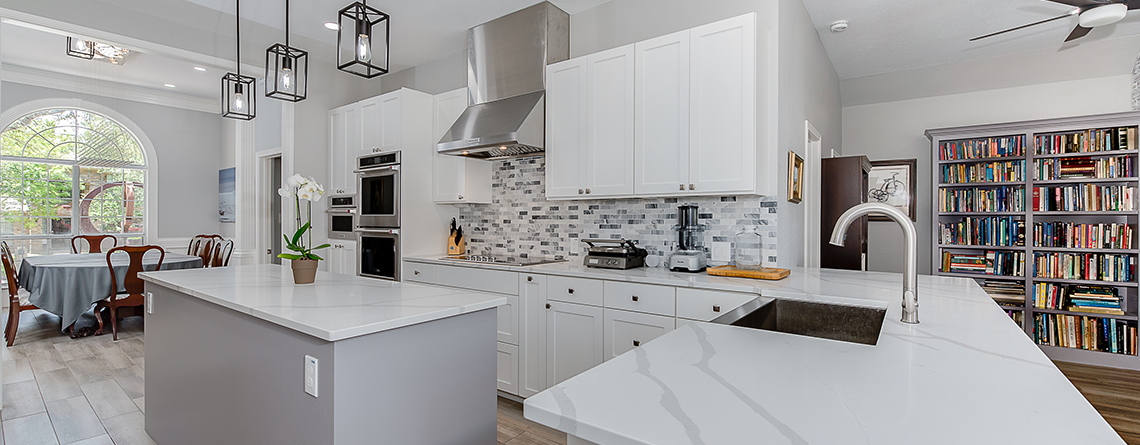
Does Your Home Make You Happy? These 5 Signs Say No
In a world increasingly defined by fast-paced living and constant connectivity, the concept of home has evolved from a mere shelter to a sanctuary—a space where one seeks refuge, rejuvenation, and a true sense of belonging. More than just a physical structure, a home should be a reflection of personal identity, a canvas for self-expression, and, most importantly, a source of happiness. But what happens when the place we call home begins to feel… wrong? When it starts to drain our energy, stifle our creativity, or simply fail to spark joy? Discerning whether one's living space contributes positively to one's well-being is paramount. Examining specific signs indicating that a home may not be fostering happiness is key.
The Evolution of Interior Aesthetics
Contemporary decor is not simply about filling a space with furniture and accessories; it's about curating an environment that supports a balanced and fulfilling lifestyle. There's been a pronounced shift away from excessive ornamentation and toward simplicity, sustainability, and purposeful design. This evolution is driven by a growing awareness of the profound impact our surroundings have on our mental and emotional states. The modern home is increasingly viewed as a holistic ecosystem, where every element—from the layout and lighting to the materials and color palette—plays a crucial role in shaping one's daily experience. Thoughtful consideration of environmental impact has spurred a conscious effort to adopt eco-friendly practices and incorporate sustainable materials. The aim is to create spaces that are not only aesthetically pleasing but also ethically sound and conducive to well-being.
Three Defining Styles of 2025
The ever-evolving landscape of interior design continues to offer a rich tapestry of styles, each with its unique approach to creating harmonious and inspiring living spaces. As we look toward 2025, three distinct styles stand out as particularly influential: Japandi Minimalism, Revived Mid-Century Modern, and Organic Wabi-Sabi. These styles, while different in their origins and aesthetics, share a common thread: a focus on simplicity, functionality, and a deep connection to the natural world.
Japandi Minimalism
Japandi, a fusion of Japanese and Scandinavian design principles, embodies the essence of serene simplicity. This style seamlessly blends the clean lines and functional elegance of Scandinavian design with the warm, natural textures and understated beauty of Japanese aesthetics.
Materiality*: Japandi interiors prioritize natural materials such as light-toned woods (oak, birch), bamboo, linen, and paper. These materials are often left in their natural state or treated with minimal finishes to showcase their inherent beauty.
Tonal Harmony*: The color palette is typically muted and neutral, featuring soft whites, creams, grays, and earthy tones. Subtle accents of blues, greens, and browns may be incorporated to add depth and visual interest.
Spatial Rhythm*: Japandi spaces are characterized by their uncluttered and minimalist aesthetic. Furniture is carefully chosen for its functionality and simplicity, with an emphasis on clean lines and organic shapes. Negative space is embraced as an essential element of the design.
Emotional Atmosphere*: The overall feeling of Japandi interiors is one of tranquility, balance, and mindfulness. The emphasis on simplicity and natural materials creates a calming and restorative environment.
Practical Insight: Today, Japandi is being reinterpreted with a focus on incorporating locally sourced materials and supporting artisan craftsmanship. This contemporary take on Japandi seeks to create spaces that are not only aesthetically pleasing but also ethically and environmentally responsible.
Revived Mid-Century Modern
Mid-Century Modern design, which originated in the mid-20th century, is experiencing a resurgence in popularity. This style is characterized by its clean lines, organic shapes, and emphasis on functionality. However, the revived Mid-Century Modern style incorporates a fresh perspective, embracing bolder colors, richer textures, and a greater emphasis on sustainability.
Materiality*: Key materials include teak, walnut, plywood, and fiberglass. The integration of natural stone and metal accents add a touch of sophistication.
Tonal Harmony*: The color palettes range from warm, earthy tones (mustard yellow, avocado green, burnt orange) to cool, muted hues (teal, gray, olive). Bold pops of color are often introduced through artwork and accessories.
Spatial Rhythm*: Mid-Century Modern spaces prioritize open floor plans and seamless transitions between indoor and outdoor areas. Furniture is typically low-slung and streamlined, with an emphasis on comfort and functionality.
Emotional Atmosphere*: The style conveys a sense of optimism, playfulness, and sophisticated simplicity. The emphasis on clean lines and functional design creates a space that is both inviting and efficient.
Practical Insight: Today's interpretation of Mid-Century Modern prioritizes sustainable materials and eco-friendly practices. Reclaimed wood, recycled metal, and vintage furniture are often incorporated to reduce environmental impact. Designers are also experimenting with bold color combinations and textural contrasts to create spaces that feel both timeless and contemporary.
Organic Wabi-Sabi
Wabi-Sabi is a Japanese philosophy that celebrates the beauty of imperfection, impermanence, and simplicity. In interior design, this translates into spaces that embrace natural materials, handcrafted objects, and a sense of understated elegance. Organic Wabi-Sabi takes this concept a step further, incorporating a greater emphasis on biophilic design and sustainable practices.
Materiality*: This style emphasizes the use of raw, natural materials such as unfinished wood, stone, clay, and linen. Imperfections such as knots, cracks, and variations in color are celebrated as integral parts of the design.
Tonal Harmony*: The color palette is inspired by nature, featuring earthy tones, muted greens, browns, and grays. The use of natural dyes and pigments adds depth and richness to the color scheme.
Spatial Rhythm*: Wabi-Sabi spaces are characterized by their simplicity and uncluttered aesthetic. Furniture is often handcrafted or vintage, with an emphasis on comfort and functionality. The integration of natural light and ventilation is crucial to creating a sense of connection to the outdoors.
Emotional Atmosphere*: The style promotes a sense of peace, tranquility, and mindfulness. The embrace of imperfection and natural materials creates a space that feels authentic, grounded, and deeply connected to the natural world.
Practical Insight: Contemporary interpretations of Wabi-Sabi often incorporate elements of biophilic design, such as indoor plants, natural light, and water features, to enhance the connection to nature. Designers are also exploring the use of reclaimed materials and sustainable building practices to minimize environmental impact. The result is a space that feels both beautiful and ecologically responsible.
Material, Texture & Color
The selection of materials, textures, and colors plays a pivotal role in shaping the overall atmosphere of a home. Current trends reflect a desire for warmth, clarity, and a connection to the natural world.
Materials*: Raw wood, particularly light-toned varieties like oak and birch, is highly sought after for its warmth and natural beauty. Linen, with its soft texture and breathability, is a popular choice for upholstery, curtains, and bedding. Ceramic, in its various forms (tiles, pottery, tableware), adds a touch of artisanal craftsmanship and earthy charm.
Textures*: Tactile textures are essential for creating depth and visual interest. Think of chunky knit throws, woven rugs, and textured wall finishes. The juxtaposition of smooth and rough surfaces creates a dynamic and engaging sensory experience.
Color*: Neutral palettes continue to dominate, with soft whites, creams, grays, and earthy tones providing a versatile backdrop. However, there's a growing trend toward incorporating subtle pops of color, inspired by nature. Sage green, muted blues, and warm terracotta hues are being used to add depth and personality to interiors.
Integration of Function & Technology
Modern decor is increasingly blurring the lines between aesthetics and functionality. Modular design, which allows for flexible and adaptable spaces, is gaining popularity. Smart home integration, from automated lighting and climate control to voice-activated assistants, is enhancing convenience and efficiency. Sustainable innovation is driving the development of eco-friendly materials and energy-efficient appliances. The goal is to create spaces that are not only beautiful but also intelligent, responsive, and environmentally responsible.
The integration of technology into the home environment is no longer a futuristic concept; it's a present-day reality. Smart home systems can automate a wide range of functions, from adjusting the thermostat to controlling the lighting and security systems. This technology enhances convenience and energy efficiency and personalizes the living experience.
Modular design is another key trend that is transforming the way we think about home decor. Modular furniture and storage systems allow for flexible and adaptable spaces that can be easily reconfigured to meet changing needs. This is particularly important in smaller homes or apartments where space is at a premium.
Sustainable innovation is also playing a crucial role in shaping the future of home decor. Manufacturers are increasingly using eco-friendly materials and processes to reduce the environmental impact of their products. This includes using recycled materials, reducing waste, and developing energy-efficient appliances.
In essence, contemporary home decor is about creating spaces that are both beautiful and functional, spaces that support a balanced and fulfilling lifestyle.
As a final thought, it's important to remember that a home should be more than just a place to live; it should be a reflection of one's personal identity and a source of joy and inspiration. As we move forward, the role of interior design will continue to evolve, shaping our homes into spaces that nurture our well-being and reflect our connection to the world around us.
.jpg)

.jpg)
Comments
Post a Comment