How I Redid My Whole Apartment for Less Than $500
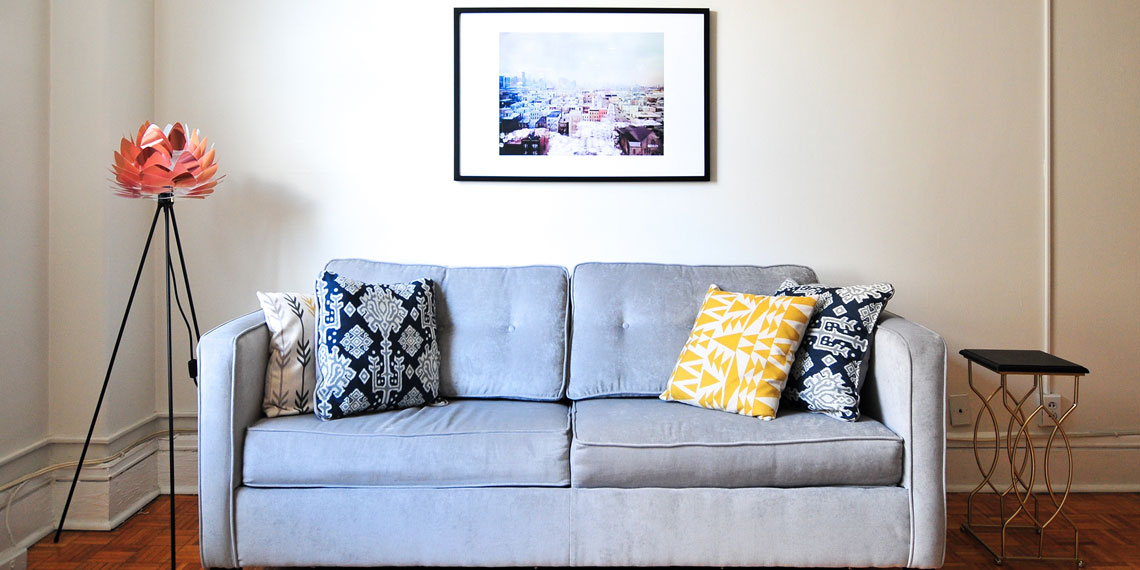
The modern home is more than just a living space; it is a personal sanctuary, a reflection of individual values, and a canvas for self-expression. As lifestyles evolve, so too does the role of interior spaces, adapting to the changing needs and emotional landscapes of its inhabitants. The goal is to craft environments that are both aesthetically pleasing and deeply functional, reflecting a desire for calm, order, and a connection to the natural world. This pursuit of an ideal living space doesn't need to be expensive; a significant transformation is achievable even on a modest budget.
The Evolution of Interior Aesthetics
Contemporary decor trends represent a departure from excess and ornamentation, embracing instead a philosophy of simplicity, sustainability, and purposeful design. The focus has shifted toward creating tranquil environments that promote well-being and reduce stress. This transformation is fueled by a growing awareness of the impact of our surroundings on our mental and emotional states, and a desire to curate spaces that foster creativity, relaxation, and connection. The move toward minimalism, natural materials, and versatile layouts is reshaping how one approaches interior design.
Three Defining Styles of 2025
Several distinct styles have emerged as prominent influences in the contemporary decor landscape. Each of these styles offers a unique approach to creating a harmonious and inviting living space, while prioritizing functionality and aesthetic appeal.
Japandi Minimalism
Japandi is a hybrid design style that seamlessly blends the minimalist aesthetics of Scandinavian design with the warm, natural elements of Japanese interiors. Key features of this style include clean lines, uncluttered spaces, and a focus on natural materials such as wood, bamboo, and linen.
Materiality: Japandi design emphasizes the use of sustainable and organic materials, often incorporating raw wood finishes, textured fabrics, and handcrafted ceramics.
Tonal Harmony: A neutral color palette, typically consisting of whites, grays, and beige tones, is often used to create a sense of calm and serenity. Accents of muted colors, such as moss green or indigo blue, are added for subtle visual interest.
Spatial Rhythm: Japandi design focuses on creating a balanced and harmonious spatial rhythm, incorporating negative space to create a sense of openness and tranquility.
Emotional Atmosphere: The emotional atmosphere of Japandi interiors is one of serenity, simplicity, and connection to nature. It promotes a sense of calm and mindfulness, encouraging one to slow down and appreciate the beauty of everyday moments.
Today, Japandi is being reinterpreted to accommodate modern lifestyles, integrating smart home technology and modular furniture solutions without compromising its core principles of simplicity and functionality.
Revived Mid-Century Modern
Mid-Century Modern design, which gained popularity in the mid-20th century, is experiencing a resurgence in contemporary decor. This style is characterized by its clean lines, organic forms, and emphasis on functionality.
Materiality: Mid-Century Modern design often incorporates materials such as wood, metal, glass, and vinyl. Furniture pieces typically feature clean, geometric shapes and tapered legs.
Tonal Harmony: A warm and inviting color palette is often used, featuring earthy tones, such as mustard yellow, avocado green, and burnt orange. These colors are often contrasted with neutral tones, such as white and gray.
Spatial Rhythm: Mid-Century Modern design focuses on creating open and airy spaces, with an emphasis on connecting indoor and outdoor areas.
Emotional Atmosphere: The emotional atmosphere of Mid-Century Modern interiors is one of optimism, progress, and connection to the past. It evokes a sense of nostalgia and timelessness, while also embracing modern living.
Today, the revived Mid-Century Modern style incorporates sustainable materials and updated color palettes, making it more relevant and accessible for contemporary homes. Designers are also experimenting with mixing Mid-Century Modern pieces with other design styles to create unique and personalized spaces.
Organic Wabi-Sabi
Wabi-Sabi is a Japanese aesthetic philosophy that embraces imperfection, impermanence, and simplicity. In interior design, this translates to creating spaces that celebrate natural materials, textures, and forms, while embracing the beauty of asymmetry and age.
Materiality: Wabi-Sabi design emphasizes the use of natural and imperfect materials, such as raw wood, stone, clay, and linen. Patina and weathering are seen as desirable qualities, adding character and depth to the space.
Tonal Harmony: A muted and earthy color palette is often used, featuring natural tones, such as beige, brown, gray, and green. These colors are inspired by nature and create a sense of calm and grounding.
Spatial Rhythm: Wabi-Sabi design focuses on creating spaces that feel authentic and unpretentious. Asymmetry and irregularity are embraced, creating a sense of organic flow and visual interest.
Emotional Atmosphere: The emotional atmosphere of Wabi-Sabi interiors is one of tranquility, acceptance, and connection to nature. It encourages one to embrace imperfection and find beauty in the ordinary.
Today, Wabi-Sabi is being embraced as a counterpoint to the polished and sterile aesthetics of modern design. People are seeking out spaces that feel authentic, personal, and connected to the natural world, and Wabi-Sabi offers a way to achieve this.
Material, Texture & Color
Current trends in materials, textures, and color palettes reflect a desire for warmth, clarity, and connection to the natural world.
Materials: Raw wood continues to be a popular choice, bringing warmth and natural texture to interiors. Linen is also widely used for upholstery and window treatments, adding a soft and tactile element to the space. Ceramic, with its earthy tones and organic forms, is another key material, often used for decorative objects and tableware.
Textures: Texture plays a crucial role in creating visual interest and adding depth to a space. Rough-hewn wood, woven fabrics, and handcrafted ceramics all contribute to a layered and tactile experience. The interplay of different textures can create a sense of comfort and visual richness.
Color Palettes: Current color palettes are characterized by a focus on neutral and earthy tones, such as whites, grays, beige, and browns. These colors create a sense of calm and serenity, providing a backdrop for pops of color and texture. Accents of muted colors, such as sage green, dusty rose, and indigo blue, are often used to add subtle visual interest.
Integration of Function & Technology
Contemporary decor now merges aesthetics with functionality, reflecting a desire for spaces that are both beautiful and practical.
Modular Design: Modular furniture and storage solutions offer flexibility and adaptability, allowing one to customize their living space to suit their changing needs. Modular sofas, shelving units, and storage systems can be easily reconfigured to create different layouts and accommodate different activities.
Smart Home Integration: Smart home technology is increasingly being integrated into interior design, enhancing convenience, comfort, and energy efficiency. Smart lighting systems, thermostats, and security systems can be controlled remotely, allowing one to create a personalized and automated living environment.
Sustainable Innovation: Sustainability is a growing concern in interior design, with a focus on using eco-friendly materials and energy-efficient technologies. Recycled materials, reclaimed wood, and low-VOC paints are becoming increasingly popular, as are solar panels, rainwater harvesting systems, and other sustainable innovations.
In conclusion, home decor is evolving into a dynamic narrative of personal identity and cultural influence. The styles, materials, and technologies chosen reflect not only individual preferences but also broader societal values and concerns. The ongoing integration of sustainability, technology, and personalization ensures that future interiors will be both aesthetically pleasing and responsive to the needs of their inhabitants. Interior design has become a powerful means of self-expression, and it will continue to evolve in response to the ever-changing world.
.jpg)

.jpg)
Comments
Post a Comment