How to Decorate Without Buying Anything New
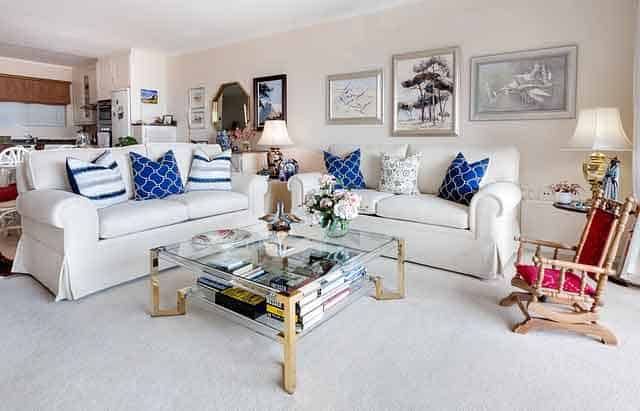
The home, more than ever, is a sanctuary. A space that reflects not just current trends, but also deeper values – a haven sculpted by simplicity, sustainability, and purposeful design. As lifestyles become more streamlined and the world outside feels increasingly complex, the desire for tranquil, authentic living spaces has amplified. The focus is shifting away from accumulating possessions and towards curating environments that nurture emotional well-being and reflect individual narratives. This approach necessitates a mindful consideration of how we interact with our surroundings and how we can transform existing spaces into expressions of our truest selves, often without acquiring anything new. It requires creativity, resourcefulness, and a keen eye for reimagining the familiar.
The Evolution of Interior Aesthetics
Contemporary decor is experiencing a profound shift, moving away from transient trends and embracing enduring principles. There's a growing awareness of the environmental impact of consumerism, leading to a preference for sustainability and a focus on quality over quantity. The rise of minimalism, influenced by both Eastern and Western philosophies, highlights the beauty of simplicity and the importance of decluttering. This minimalist movement isn't about stark, empty rooms; it's about creating spaces that are functional, calming, and reflect a considered approach to living. Purposeful design plays a crucial role. Every item should have a function or hold sentimental value, contributing to the overall harmony and intention of the space. The modern home is becoming a canvas for self-expression, showcasing personal stories and experiences rather than simply displaying wealth or status. This shift fosters a sense of connection to the space, promoting well-being and a deeper appreciation for the surrounding environment.
Three Defining Styles of 2025
Several distinct styles are emerging as prominent forces shaping interior design in the coming years. These styles offer diverse interpretations of contemporary living while emphasizing sustainability, functionality, and emotional well-being.
Japandi Minimalism
Japandi, a fusion of Japanese and Scandinavian aesthetics, embodies a harmonious blend of functionality and tranquility. It combines the clean lines and minimalist principles of Scandinavian design with the warmth and natural elements of Japanese design.
Key Features:
Materiality: Japandi emphasizes natural materials like raw wood, bamboo, linen, and paper. These materials bring texture and warmth to the space, creating a sense of connection to the natural world. The focus is on using sustainable and ethically sourced materials.
Tonal Harmony: The color palette typically consists of neutral tones like whites, grays, and beiges, accented with natural greens, earthy browns, and muted blues. These colors create a calming and serene atmosphere. Contrast is often introduced through the use of dark wood accents or black details.
Spatial Rhythm: Japandi prioritizes open spaces and uncluttered surfaces. Furniture is carefully selected for its functionality and simplicity, with an emphasis on creating a sense of flow and balance. The use of natural light is crucial, and window treatments are kept minimal to maximize sunlight exposure.
Emotional Atmosphere: Japandi aims to create a space that is both calming and inviting. It encourages mindfulness and a sense of connection to nature. The use of natural textures and muted colors helps to reduce stress and promote relaxation.
Reinterpreting the Style Today:
Today, Japandi is being reinterpreted with a greater focus on incorporating personal touches and unique artisanal pieces. Homeowners are adding their own personality to the style through the use of handcrafted ceramics, vintage textiles, and personalized artwork. The goal is to create a space that is both stylish and reflective of the individual's unique taste. Existing furniture can be repainted or reupholstered to fit the Japandi color palette. Rearranging furniture to maximize natural light and create a sense of openness can also transform a space into a Japandi-inspired haven.
Revived Mid-Century Modern
Mid-Century Modern design, originating in the mid-20th century, is experiencing a resurgence in popularity. Its emphasis on clean lines, organic shapes, and functionality resonates with contemporary sensibilities. However, the revived version of this style incorporates a stronger focus on sustainability and ethical sourcing.
Key Features:
Materiality: This style features materials like wood (especially teak and walnut), metal, glass, and vinyl. The revived version prioritizes using reclaimed wood, recycled metal, and sustainable fabrics.
Tonal Harmony: The color palette typically includes warm earth tones, such as oranges, browns, and yellows, combined with cooler blues, greens, and grays. The use of bold, geometric patterns is also common.
Spatial Rhythm: Mid-Century Modern furniture is characterized by its clean lines and simple shapes. Furniture is often arranged to create a sense of openness and flow, with an emphasis on functionality.
Emotional Atmosphere: The style evokes a sense of optimism and playfulness. The use of bright colors and bold patterns creates a lively and engaging atmosphere.
Reinterpreting the Style Today:
The modern interpretation of Mid-Century Modern is more eclectic, incorporating vintage pieces alongside contemporary designs. Homeowners are also experimenting with different textures and materials to create a more dynamic and personalized space. Repurposing existing furniture by refinishing it or adding new hardware can easily breathe new life into a Mid-Century Modern inspired look. Switching around the placement of artwork or accessories can also help to achieve a fresh take on the style.
Organic Wabi-Sabi
Wabi-Sabi, a Japanese aesthetic philosophy, celebrates the beauty of imperfection and transience. It embraces natural materials, handcrafted objects, and the unique character of each piece.
Key Features:
Materiality: This style emphasizes natural materials like wood, stone, clay, and natural fibers. Imperfections, such as knots in wood or cracks in pottery, are celebrated as part of the object's unique character.
Tonal Harmony: The color palette consists of muted earth tones, such as browns, grays, and greens. The emphasis is on creating a sense of calm and tranquility.
Spatial Rhythm: Wabi-Sabi embraces asymmetry and irregularity. Furniture is often arranged in a way that feels natural and organic, rather than perfectly symmetrical.
Emotional Atmosphere: This style evokes a sense of serenity and acceptance. It encourages appreciation for the beauty of the present moment and the impermanence of all things.
Reinterpreting the Style Today:
Today, Wabi-Sabi is being reinterpreted as a way to embrace a more mindful and sustainable lifestyle. Homeowners are focusing on curating spaces that are both beautiful and functional, using natural materials and handcrafted objects. Rearranging existing furniture to create more open space or highlighting the natural imperfections of existing objects can greatly enhance the Wabi-Sabi aesthetic. The key is to embrace the beauty of imperfection and to create a space that feels authentic and personal.
Material, Texture & Color
Current trends in materials, textures, and color palettes reflect a desire for warmth, clarity, and connection to nature.
Materials: Raw wood, particularly lighter woods like ash and maple, is increasingly popular for its natural warmth and versatility. Linen, with its soft texture and breathability, is a favored choice for upholstery and window treatments. Ceramic, in its various forms (stoneware, porcelain, terracotta), adds an artisanal touch to decor, whether in the form of vases, tableware, or decorative objects. These materials evoke a sense of authenticity and connection to the earth.
Textures: Textural contrast is key to creating depth and visual interest. Combining smooth surfaces with rough textures, such as pairing a linen sofa with a wooden coffee table or layering different types of fabrics, adds dimension and complexity to the space. Natural textures, like the grain of wood or the weave of a basket, add warmth and character.
Color Palettes: Color palettes are shifting towards lighter, more neutral tones that create a sense of calm and serenity. Whites, creams, and grays form the base, accented with muted shades of green, blue, and pink. Earthy tones, such as terracotta, ochre, and rust, add warmth and grounding. The overall effect is one of understated elegance and natural harmony. Simple changes like moving a colorful rug from one room to another or swapping throw pillows can easily shift the mood and color palette of a space.
Integration of Function & Technology
Modern decor seamlessly integrates aesthetics with functionality, reflecting the demands of contemporary living.
Modular Design: Modular furniture and storage solutions offer flexibility and adaptability, allowing homeowners to customize their spaces to suit their needs. These pieces can be easily reconfigured or moved, making them ideal for smaller spaces or those who enjoy rearranging their furniture frequently.
Smart Home Integration: Technology is increasingly integrated into home decor, with smart lighting, automated window treatments, and voice-controlled devices becoming commonplace. These technologies enhance convenience and efficiency while also contributing to a more comfortable and personalized living experience.
Sustainable Innovation: Sustainability is a driving force behind many design innovations. Products made from recycled materials, energy-efficient appliances, and water-saving fixtures are becoming increasingly popular. There is a growing awareness of the environmental impact of consumerism, leading to a preference for products that are both stylish and sustainable.
The integration of function and technology extends beyond individual products and into the overall design of the space. Open-plan living, for example, allows for greater flexibility and adaptability, while smart storage solutions help to maximize space and minimize clutter. The goal is to create spaces that are not only beautiful but also functional and efficient, reflecting the needs of modern living. Repurposing existing technology or finding new ways to utilize existing storage solutions can contribute to this integration without requiring new purchases.
The future of home decor lies in its evolving narrative of personal identity and cultural influence. Spaces should be reflections of individual stories, values, and aspirations, not merely showcases of fleeting trends. The emphasis should be on creating environments that nurture emotional well-being, promote sustainability, and celebrate the beauty of imperfection. By embracing these principles, homeowners can create spaces that are not only stylish and functional but also deeply meaningful and personal.
.jpg)

.jpg)
Comments
Post a Comment