How to Use Lighting to Improve Your Mental Health
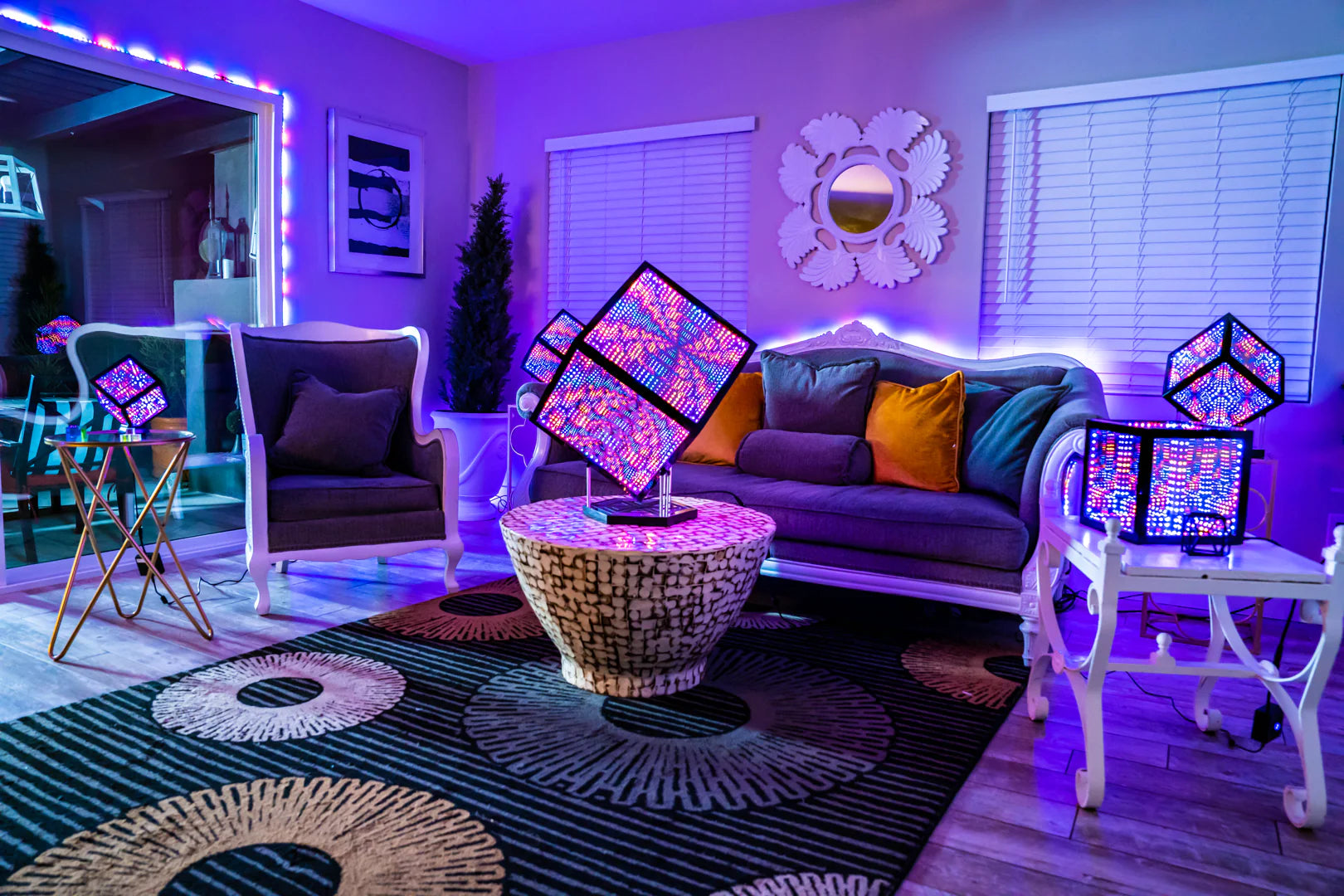
The spaces people inhabit are increasingly recognized as extensions of the self, shaping not only daily routines but also profoundly impacting mental and emotional well-being. Modern lifestyles, characterized by their fast pace and digital connectivity, demand that interior environments offer sanctuary, stimulation, and a sense of grounding. This awareness has fueled a significant shift in interior aesthetics, moving away from purely decorative considerations toward designs that prioritize simplicity, sustainability, and, above all, purpose. The careful orchestration of light within these spaces emerges as a powerful tool, capable of influencing mood, focus, and overall psychological health. Understanding how to harness the potential of lighting is no longer a luxury but an essential aspect of creating a truly supportive and nurturing home.
The Evolution of Interior Aesthetics
Contemporary decor increasingly reflects a mindful approach to living. Over the past decade, there has been a notable rejection of excessive ornamentation in favor of clean lines, natural materials, and versatile layouts. This trend signifies a deeper cultural movement toward conscious consumption and a desire to create spaces that foster calm and clarity. A key component of this evolution is the emphasis on sustainability, with designers and homeowners alike seeking eco-friendly options that minimize environmental impact. Beyond materials, the focus extends to spatial organization. Open-plan living, modular furniture, and adaptable design elements allow for greater flexibility and personalization, reflecting individual needs and lifestyles. The use of lighting, too, has become more sophisticated. It is no longer solely about illumination but rather about crafting specific moods and enhancing the overall experience of a space. This holistic approach to interior design underscores the growing understanding of the interconnectedness between physical environment and psychological well-being.
Three Defining Styles
Looking forward, three distinct yet interconnected design styles are poised to dominate interior aesthetics, each offering a unique interpretation of simplicity, sustainability, and purposeful design: Japandi Minimalism, Revived Mid-Century Modern, and Organic Wabi-Sabi.
Japandi Minimalism
Japandi is a hybrid aesthetic that seamlessly blends the clean lines and functional focus of Scandinavian design with the understated elegance and natural materiality of Japanese design. Key features include a restrained color palette, often dominated by muted tones of gray, beige, and white, accented by natural wood finishes and subtle pops of color inspired by nature. Materiality emphasizes natural fibers like linen, cotton, and wool, alongside the use of sustainable wood such as bamboo and reclaimed timber.
Tonal harmony is paramount in Japandi design. The seamless integration of light and shadow creates a sense of calm and balance, often achieved through layered lighting schemes that combine natural light with soft, diffused artificial sources. Spatial rhythm is maintained through careful editing and the strategic placement of furniture, ensuring that each element contributes to the overall sense of tranquility. The emotional atmosphere is one of serene simplicity, promoting mindfulness and reducing visual clutter.
Practical insight: Today, Japandi is being reinterpreted with a greater emphasis on personalization. Designers are incorporating handcrafted elements, such as ceramic vases and hand-woven textiles, to add character and warmth to the minimalist aesthetic. Lighting fixtures, too, are becoming more sculptural, serving as both functional light sources and artistic focal points.
Revived Mid-Century Modern
Revived Mid-Century Modern draws inspiration from the iconic designs of the 1950s and 1960s, but with a contemporary twist. The style is characterized by clean lines, organic shapes, and a celebration of natural materials like wood, glass, and metal. Bold geometric patterns and vibrant colors, such as mustard yellow, teal, and orange, add a playful touch to the overall aesthetic.
Materiality in Revived Mid-Century Modern embraces both natural and synthetic materials, often combining wood veneers with molded plastic and chrome accents. Tonal harmony is achieved through the careful balancing of warm and cool colors, creating a visually dynamic and engaging space. Spatial rhythm is often defined by the strategic placement of iconic furniture pieces, such as Eames chairs and Saarinen tables, creating focal points that draw the eye.
The emotional atmosphere of Revived Mid-Century Modern is one of optimism and playfulness, evoking a sense of nostalgia while remaining firmly rooted in the present. Lighting plays a crucial role in defining the mood, with pendant lamps, floor lamps, and sconces used to create pools of light that highlight architectural features and furniture pieces.
Practical insight: Modern interpretations of Mid-Century Modern are often more sustainable and eco-conscious. Designers are incorporating reclaimed materials, energy-efficient lighting, and vintage furniture pieces to reduce the environmental impact of the style. Lighting technology allows for the implementation of smart systems that automatically adjust brightness and color temperature throughout the day.
Organic Wabi-Sabi
Organic Wabi-Sabi embraces the beauty of imperfection and the inherent transience of natural materials. The style is characterized by a focus on raw, unfinished surfaces, asymmetrical forms, and a muted color palette inspired by the earth. Imperfections, such as cracks, knots, and variations in color, are celebrated as evidence of the material's history and character.
Materiality is at the heart of Wabi-Sabi design, with a strong emphasis on natural materials like wood, stone, clay, and linen. Tonal harmony is achieved through the use of soft, muted colors that reflect the natural world, such as earthy browns, mossy greens, and sandy beiges. Spatial rhythm is created through the juxtaposition of rough and smooth textures, creating a tactile and visually stimulating experience.
The emotional atmosphere of Organic Wabi-Sabi is one of serenity, authenticity, and acceptance. The style encourages a sense of connection to nature and promotes mindfulness through its emphasis on simplicity and imperfection. Lighting plays a vital role in creating the desired mood, with soft, diffused light used to highlight the natural textures and imperfections of the materials. Candles and natural light are often preferred over artificial sources.
Practical insight: Wabi-Sabi is increasingly popular as a counterpoint to the fast-paced, technology-driven nature of modern life. Designers are incorporating elements of Wabi-Sabi into contemporary homes to create spaces that feel grounded, authentic, and deeply personal. The integration of plants and natural elements further enhances the connection to nature, creating a sense of well-being and tranquility.
Material, Texture & Color
The selection of materials, textures, and colors plays a critical role in shaping the emotional atmosphere of an interior space. Current trends favor natural materials, such as raw wood, linen, and ceramic, for their inherent warmth, texture, and sustainability. Raw wood, with its natural grain and imperfections, adds a sense of authenticity and connection to nature. Linen, with its soft texture and breathable qualities, creates a sense of comfort and relaxation. Ceramic, with its earthy tones and tactile surface, adds a touch of craftsmanship and artistry.
Textures are used to create visual interest and depth. Rough textures, such as exposed brick and unfinished concrete, add a sense of rawness and authenticity. Smooth textures, such as polished wood and silk fabrics, add a touch of elegance and refinement. Layering different textures creates a richer, more dynamic sensory experience.
Color palettes are becoming increasingly muted and nature-inspired. Warm neutrals, such as beige, cream, and gray, provide a calming backdrop for bolder accents. Earthy tones, such as terracotta, ochre, and sage, add a sense of warmth and connection to the natural world. Pops of color, such as deep blues, greens, and yellows, can be used to add visual interest and personality. The use of natural light is crucial to reveal the true colors and textures of the materials.
Integration of Function & Technology
Modern decor increasingly integrates aesthetics with functionality, reflecting a growing demand for versatile and adaptable living spaces. Modular design, which allows for flexible configurations and easy reconfiguration, is becoming increasingly popular, especially in smaller homes. Smart home integration, which enables automated control of lighting, temperature, and security, adds convenience and efficiency.
Sustainable innovation is also driving changes in the decor industry. Eco-friendly materials, energy-efficient appliances, and water-saving fixtures are becoming increasingly commonplace. Designers are also exploring new ways to reduce waste and promote circularity through the use of recycled materials and upcycling techniques. The incorporation of technology aims to enhance not only convenience but also well-being, for example, smart lighting can automatically adjust color temperature to mimic natural daylight, promoting better sleep and improved mood.
The careful consideration of lighting is crucial when integrating function and technology. Task lighting provides focused illumination for specific activities, such as reading or cooking. Ambient lighting creates a soft, diffused glow that enhances the overall atmosphere. Accent lighting highlights architectural features and artwork. By layering different types of lighting, it is possible to create a space that is both functional and aesthetically pleasing.
In conclusion, the future of home decor is evolving into a personalized narrative of identity and cultural influence. The trends indicate a desire for spaces that are not only aesthetically pleasing but also functional, sustainable, and conducive to well-being. Lighting, in particular, plays a vital role in shaping the mood and atmosphere of a space, impacting mental and emotional health. As technology continues to advance and our understanding of the human-environment interaction deepens, the possibilities for creating truly transformative living spaces are endless.
.jpg)

.jpg)
Comments
Post a Comment