Is Boho Decor Dead? Here’s the Truth
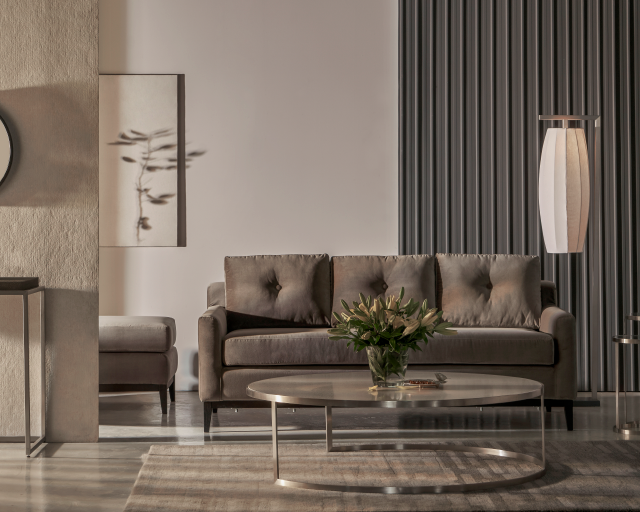
The world within our walls is a reflection of who we are, our aspirations, and the ever-shifting cultural landscape. Home decor is not merely about aesthetics; it’s about crafting spaces that nurture our well-being and resonate with our individual stories. As lifestyles evolve and global influences intermingle, interior design undergoes constant transformation. What was once considered trendy can gradually fade into the background, making way for new expressions of beauty and functionality. The question arises: Is boho decor dead? The answer is complex, nuanced, and deeply intertwined with the broader evolution of interior design.
The Evolution of Interior Aesthetics
Contemporary decor reflects a significant shift toward simplicity, sustainability, and purposeful design. Gone are the days of excessive ornamentation for the sake of it. Today's homeowners are seeking spaces that are both visually appealing and conducive to a sense of calm and well-being. This shift is driven by several factors, including a heightened awareness of environmental issues, a desire for uncluttered living spaces, and a renewed focus on mental and emotional health.
The emphasis on sustainability has led to a greater appreciation for natural materials, repurposed furniture, and eco-friendly design choices. Simplicity is embraced as a way to create a sense of order and tranquility, allowing the mind to relax and the spirit to breathe. Purposeful design ensures that every element in a space serves a function, contributing to both aesthetics and practicality.
Three Defining Styles of 2025
While "boho" in its purest, most maximalist form may be receding from the forefront, its spirit of eclecticism and personal expression is being reinterpreted through a range of other trending styles. These styles don't necessarily replace boho, but rather evolve from it, incorporating elements of its free-spirited nature while also embracing a more refined and contemporary aesthetic.
Japandi Minimalism
Japandi is a fusion of Japanese and Scandinavian design philosophies. It emphasizes simplicity, natural materials, and functional elegance. Think clean lines, uncluttered spaces, and a calming color palette.
Materiality: Japandi interiors feature natural materials such as light wood (birch, oak), bamboo, linen, and paper. These materials are chosen for their durability, sustainability, and inherent beauty. Ceramics, particularly those with a matte finish, are also popular.
Tonal Harmony: The color palette is typically muted and neutral, with shades of white, beige, gray, and pale blue. Pops of color may be introduced through natural elements like plants or artwork, but the overall effect is one of understated elegance.
Spatial Rhythm: Japandi emphasizes the importance ofma, the Japanese concept of negative space. Furniture is carefully chosen and arranged to create a sense of balance and harmony. Clutter is minimized to allow for a free flow of energy throughout the space.
Emotional Atmosphere: The goal of Japandi is to create a serene and peaceful environment that promotes relaxation and mindfulness. The emphasis on natural light, clean lines, and uncluttered spaces contributes to a sense of calm and well-being. Japandi is being reinterpreted today with the addition of warmer tones and textures to create a more inviting and comfortable atmosphere. Think cream-colored walls, woven rugs, and soft lighting.
Revived Mid-Century Modern
Mid-Century Modern design, originating from the 1940s to 1960s, is experiencing a major revival. Characterized by clean lines, organic shapes, and a focus on functionality, it offers a timeless appeal.
Materiality: Mid-Century Modern interiors showcase materials like wood (teak, walnut), metal, glass, and vinyl. These materials are often combined to create a sense of visual interest and texture.
Tonal Harmony: The color palette includes a mix of earthy tones (olive green, mustard yellow, burnt orange) and bolder accent colors (turquoise, red). These colors are used to create a vibrant and playful atmosphere.
Spatial Rhythm: Furniture is typically low-slung and streamlined, with an emphasis on open floor plans. The arrangement of furniture is intended to encourage conversation and interaction.
Emotional Atmosphere: Mid-Century Modern aims to create a stylish and comfortable environment that is both functional and visually appealing. The use of bold colors and geometric patterns adds a touch of personality and excitement. The revived Mid-Century Modern often incorporates sustainable materials and updated technology. Think vintage furniture reupholstered with eco-friendly fabrics, energy-efficient lighting, and smart home integration.
Organic Wabi-Sabi
Wabi-Sabi is a Japanese philosophy that celebrates the beauty of imperfection and transience. In interior design, this translates to embracing natural materials, handcrafted objects, and a sense of rustic charm.
Materiality: Wabi-Sabi interiors feature raw and unrefined materials such as wood, stone, clay, and linen. These materials are chosen for their natural textures and imperfections.
Tonal Harmony: The color palette is muted and earthy, with shades of brown, gray, beige, and green. These colors are inspired by nature and create a sense of calm and tranquility.
Spatial Rhythm: Wabi-Sabi emphasizes the beauty of asymmetry and imperfection. Furniture is often mismatched and arranged in a way that feels organic and natural.
Emotional Atmosphere: The goal of Wabi-Sabi is to create a space that is both comfortable and inspiring. The emphasis on natural materials and handcrafted objects creates a sense of connection to the earth. Wabi-Sabi is being reinterpreted today with a focus on sustainability and ethical sourcing. Think reclaimed wood furniture, handmade ceramics, and natural dyes.
Material, Texture & Color
The current trends in materials, textures, and color palettes reflect a desire for warmth, clarity, and connection to nature.
Materials: Raw wood, particularly in light and natural tones, is a popular choice for furniture, flooring, and wall coverings. Linen is favored for its softness, breathability, and natural texture. Ceramic, especially handmade pieces with unique imperfections, adds a touch of artistry and character to a space. Other trending materials include jute, rattan, and cork, all of which are sustainable and visually appealing.
Textures: Layering different textures is key to creating depth and interest in a space. Think chunky knit blankets, woven rugs, and textured wall hangings. The contrast between smooth and rough surfaces adds visual appeal and tactile interest.
Color Palettes: The dominant color palettes are inspired by nature and create a sense of calm and tranquility. Earthy tones such as beige, brown, and green are popular choices. Soft pastels, such as blush pink and sage green, add a touch of femininity and whimsy. Accent colors, such as terracotta, mustard yellow, and indigo blue, can be used to add pops of color and personality. The integration of white and off-white shades is also important for creating a sense of brightness and airiness.
Integration of Function & Technology
Decor now seamlessly merges aesthetics with functionality.
Modular Design: Modular furniture is becoming increasingly popular due to its versatility and adaptability. Sofas, shelving units, and storage systems can be easily rearranged to suit changing needs and preferences. This allows for greater flexibility and personalization.
Smart Home Integration: Smart home technology is being integrated into every aspect of home decor, from lighting and temperature control to security and entertainment. Voice-activated assistants, smart thermostats, and automated lighting systems provide convenience and energy efficiency.
Sustainable Innovation: Sustainability is a driving force behind many of the latest innovations in home decor. Eco-friendly materials, energy-efficient appliances, and water-saving fixtures are becoming increasingly commonplace. There is also a growing emphasis on reducing waste and promoting circular economy principles.
The question of whether boho decor is "dead" is therefore misleading. Its defining elements are not disappearing; they are being absorbed and refined within broader stylistic trends. The core tenets of boho – personal expression, eclecticism, and a love for natural materials – continue to resonate with homeowners seeking to create unique and meaningful spaces. It's less about adhering rigidly to a "boho" label and more about curating a space that reflects individual taste and values. While the overtly maximalist and perhaps stereotypical image of boho might be evolving, its underlying spirit remains a powerful force in shaping contemporary interior design. It continues to influence how people approach decorating their homes.
.jpg)

.jpg)
Comments
Post a Comment