The Fall Color Palette That’s Breaking All the Rules
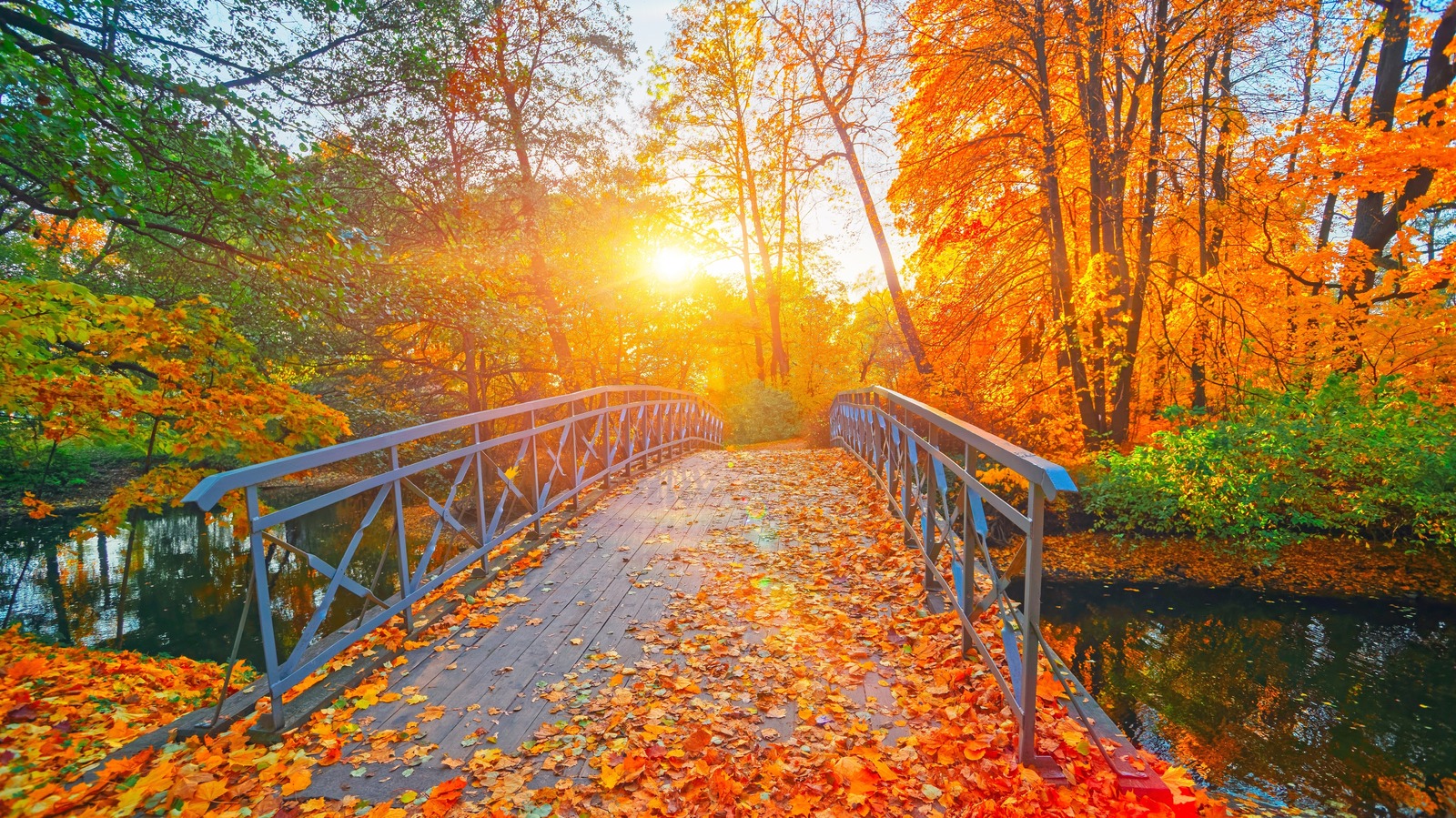
The home has long been considered a sanctuary, but its role has evolved significantly in recent years. It's no longer simply a place to eat and sleep; it's a multi-functional space that serves as an office, a gym, a social hub, and a personal retreat. Contemporary lifestyles demand adaptability, and this is reflected in the evolving aesthetics of interior design. We’re seeing a move away from ostentatious displays and toward spaces that nurture well-being, foster creativity, and connect us to the natural world. This shift embraces simplicity, sustainability, and designs that are deeply intentional. The fall color palette, in particular, is experiencing a revolution, breaking away from predictable autumnal hues to embrace a broader spectrum of colors that evoke warmth, comfort, and a sense of grounding.
The Evolution of Interior Aesthetics
Contemporary decor reflects a profound shift toward simplicity, sustainability, and purposeful design. The desire for uncluttered spaces that promote mental clarity and reduce stress is driving the minimalist movement. Sustainable materials and practices are becoming increasingly important as people seek to minimize their environmental impact. Design choices are more deliberate, with a focus on creating spaces that are both beautiful and functional, reflecting individual values and lifestyles. We're seeing a move away from mass-produced items and toward handcrafted pieces with unique stories and inherent character. The integration of technology is also shaping interior aesthetics, with smart home devices seamlessly blending into the decor. This evolution prioritizes creating homes that are not only visually appealing but also supportive of well-being and mindful living. The emphasis is on creating spaces that feel authentic, personal, and deeply connected to the surrounding environment.
Three Defining Styles
Several distinct styles are shaping the landscape of contemporary interior design, each offering a unique approach to creating a harmonious and inviting home. These styles, while distinct, often overlap and influence one another, creating a rich tapestry of design possibilities.
Japandi Minimalism
Japandi, a fusion of Japanese and Scandinavian design principles, emphasizes simplicity, functionality, and natural materials. It combines the sleek lines and muted color palettes of Scandinavian design with the understated elegance and appreciation for imperfection that characterizes Japanese aesthetics.
Materiality: Raw wood, bamboo, and natural fibers like linen and cotton are essential elements of Japandi interiors. These materials bring warmth and texture to the space, creating a sense of connection to nature. Furniture is typically crafted from light-colored wood, often with visible grain patterns that highlight the material's natural beauty.
Tonal Harmony: Japandi color palettes are typically neutral and calming, featuring shades of white, gray, beige, and soft pastels. These colors create a serene and tranquil atmosphere, promoting relaxation and mindfulness. Accents of black or dark wood are often used to add contrast and visual interest.
Spatial Rhythm: Japandi spaces are characterized by clean lines, uncluttered surfaces, and a sense of spaciousness. Furniture is carefully selected and arranged to maximize functionality and create a sense of flow. Minimalism is key, with only essential items displayed and ample storage space to keep clutter at bay.
Emotional Atmosphere: The emotional atmosphere of a Japandi interior is one of peace, tranquility, and balance. The emphasis on natural materials, soft colors, and uncluttered spaces creates a sense of calm and well-being. Japandi design promotes a mindful approach to living, encouraging residents to appreciate the beauty of simplicity and imperfection.
Today, Japandi is being reinterpreted with bolder color accents and a greater emphasis on personal expression. While the core principles of minimalism and natural materials remain, designers are experimenting with unexpected combinations of colors and textures to create spaces that are both serene and visually stimulating.
Revived Mid-Century Modern
Mid-Century Modern, a design movement that originated in the mid-20th century, is experiencing a resurgence in popularity. Characterized by clean lines, organic forms, and a focus on functionality, Mid-Century Modern design is both timeless and stylish.
Materiality: Wood, metal, glass, and vinyl are commonly used in Mid-Century Modern interiors. Furniture is often crafted from teak, walnut, or other hardwoods, with sleek metal accents. Upholstery fabrics are typically durable and easy to clean, reflecting the practicality of the era.
Tonal Harmony: Mid-Century Modern color palettes are typically warm and inviting, featuring shades of orange, yellow, brown, and olive green. These colors create a sense of optimism and energy, reminiscent of the post-war era. Accents of black or white are often used to add contrast and visual interest.
Spatial Rhythm: Mid-Century Modern spaces are characterized by open floor plans, large windows, and a sense of connection to the outdoors. Furniture is often low-slung and streamlined, creating a sense of spaciousness and flow. The emphasis is on creating comfortable and functional living spaces that are both stylish and practical.
Emotional Atmosphere: The emotional atmosphere of a Mid-Century Modern interior is one of optimism, energy, and sophistication. The warm color palettes, clean lines, and functional design create a sense of comfort and well-being. Mid-Century Modern design evokes a sense of nostalgia for a bygone era, while also remaining relevant and stylish in the modern world.
Today, Mid-Century Modern is being reinterpreted with a greater emphasis on sustainability and ethical sourcing. Designers are seeking out vintage pieces and incorporating eco-friendly materials into new designs, ensuring that this iconic style remains relevant and responsible.
Organic Wabi-Sabi
Wabi-Sabi, a Japanese aesthetic philosophy that embraces imperfection, impermanence, and the beauty of the natural world, is gaining increasing popularity in interior design. It celebrates the unique character of handcrafted objects and the inherent beauty of aging and decay.
Materiality: Natural materials like wood, stone, clay, and linen are essential elements of Wabi-Sabi interiors. These materials are often left in their raw and unrefined state, showcasing their natural imperfections. Furniture is typically handcrafted from reclaimed wood or other sustainable materials, with visible signs of wear and tear.
Tonal Harmony: Wabi-Sabi color palettes are typically muted and earthy, featuring shades of brown, gray, beige, and green. These colors create a sense of calm and connection to nature. Accents of rust, ochre, or indigo are often used to add depth and visual interest.
Spatial Rhythm: Wabi-Sabi spaces are characterized by a sense of simplicity, authenticity, and imperfection. Furniture is carefully selected and arranged to create a sense of balance and harmony, while also embracing asymmetry and imperfection. Clutter is minimized, and objects are displayed in a way that celebrates their unique character.
Emotional Atmosphere: The emotional atmosphere of a Wabi-Sabi interior is one of peace, tranquility, and acceptance. The emphasis on natural materials, muted colors, and imperfect objects creates a sense of calm and well-being. Wabi-Sabi design promotes a mindful approach to living, encouraging residents to appreciate the beauty of imperfection and the fleeting nature of time.
Today, Wabi-Sabi is being reinterpreted with a greater emphasis on sustainability and ethical sourcing. Designers are seeking out handcrafted objects from local artisans and incorporating recycled materials into their designs, ensuring that this ancient philosophy remains relevant and responsible in the modern world. The focus is on creating spaces that feel authentic, personal, and deeply connected to the natural world.
Material, Texture & Color
Current trends in materials, textures, and color palettes reflect a desire for warmth, clarity, and connection to nature. Raw wood, linen, and ceramic are among the most popular materials, chosen for their natural beauty, durability, and sustainability.
Raw Wood: Raw wood, with its visible grain patterns and natural imperfections, brings warmth and texture to interior spaces. It is often used for flooring, furniture, and architectural details, creating a sense of connection to the outdoors. Designers are increasingly opting for sustainably sourced wood and using natural finishes that highlight the material's natural beauty.
Linen: Linen, a natural fiber derived from the flax plant, is prized for its softness, durability, and breathability. It is often used for upholstery, curtains, and bedding, creating a sense of comfort and luxury. Linen is also a sustainable choice, as it requires less water and pesticides to grow than cotton.
Ceramic: Ceramic, a versatile material that can be molded into a variety of shapes and textures, is used for everything from tiles and countertops to vases and decorative objects. It is durable, water-resistant, and available in a wide range of colors and finishes. Handcrafted ceramic pieces are particularly popular, as they add a unique and artisanal touch to interior spaces.
In terms of textures, there is a growing emphasis on tactile materials that engage the senses. Think of nubby wool rugs, textured wallpaper, and handcrafted ceramics with subtle imperfections. These textures add depth and visual interest to interior spaces, creating a sense of warmth and comfort.
Color palettes are shifting away from cool grays and toward warmer, more inviting hues. Earthy tones like terracotta, ochre, and sage green are gaining popularity, reflecting a desire for connection to nature and a sense of grounding. These colors are often paired with lighter neutrals like cream and beige to create a sense of balance and harmony. The fall color palette is being reimagined with the integration of unexpected pops of color, such as deep blues, muted purples, and even the occasional vibrant coral, breaking from the traditional oranges and browns.
Integration of Function & Technology
Modern decor increasingly merges aesthetics with functionality, embracing modular design, smart home integration, and sustainable innovation.
Modular Design: Modular furniture and storage systems are becoming increasingly popular, as they offer flexibility and adaptability to changing needs. These systems can be easily reconfigured to create different layouts and accommodate different activities, making them ideal for multi-functional spaces.
Smart Home Integration: Smart home devices are seamlessly blending into the decor, offering convenience and efficiency without sacrificing style. Smart lighting systems, automated blinds, and voice-controlled assistants are becoming increasingly common, enhancing the functionality of the home while also contributing to its aesthetic appeal.
Sustainable Innovation: Sustainable materials and practices are becoming increasingly important in the design industry, as people seek to minimize their environmental impact. Designers are incorporating recycled materials, energy-efficient appliances, and water-saving fixtures into their designs, creating homes that are both beautiful and environmentally responsible. The convergence of design and technology offers new possibilities for creating homes that are not only visually appealing but also supportive of well-being and mindful living.
As the lines between work, leisure, and personal life continue to blur, the home must adapt to meet the evolving needs of its occupants. By integrating function and technology, designers can create spaces that are both practical and aesthetically pleasing, enhancing the quality of life for those who inhabit them.
The future of home decor promises to be an ongoing narrative of personal identity and cultural influence. It will be defined by a deeper understanding of how our environment affects our well-being, with spaces designed to foster creativity, reduce stress, and promote a sense of connection to both ourselves and the natural world. As technology continues to evolve, it will be seamlessly integrated into our homes, enhancing functionality without sacrificing aesthetics. Sustainability will remain a core principle, with designers prioritizing eco-friendly materials and practices that minimize environmental impact. The home will become an even more personalized and expressive space, reflecting the unique values and lifestyles of its occupants. It will be a sanctuary, a workspace, a social hub, and a place of constant evolution.
.jpg)

.jpg)
Comments
Post a Comment