Bathroom Lighting Mistakes That Are Aging Your Space
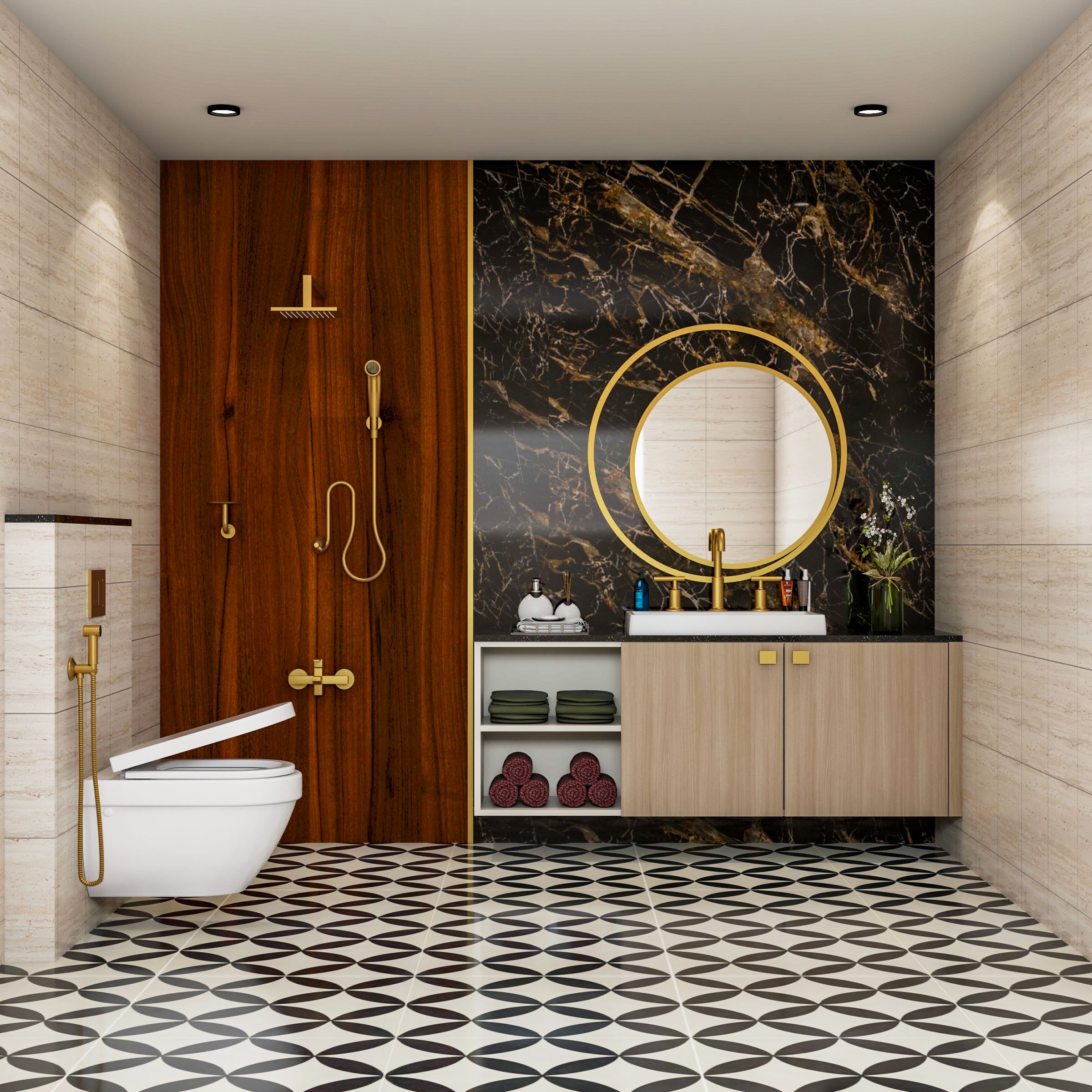
The spaces we inhabit are more than just four walls and a roof; they are reflections of our personal journeys, evolving lifestyles, and emotional sanctuaries. In recent years, there has been a profound shift in how we approach interior design, moving away from transient trends and towards creating spaces that resonate with authenticity, sustainability, and timeless elegance. Modern decor is no longer about superficial aesthetics but rather about crafting environments that nurture well-being and reflect a deeper connection with our values. As lifestyles change and technology advances, so too does interior design, integrating functionality and mindful design to create spaces that are both beautiful and purposeful.
The Evolution of Interior Aesthetics
Contemporary decor is characterized by a move toward simplicity, sustainability, and purposeful design. This shift marks a departure from excessive ornamentation and embraces a more minimalist aesthetic that celebrates the inherent beauty of natural materials and understated elegance. Sustainability plays a central role, with a growing emphasis on eco-friendly materials, energy-efficient solutions, and designs that promote longevity. Purposeful design ensures that every element serves a specific function, contributing to the overall harmony and usability of the space. This holistic approach prioritizes creating environments that are not only visually appealing but also conducive to a balanced and fulfilling lifestyle.
Three Defining Styles of 2025
Three distinct styles are currently shaping the landscape of interior decor, each offering a unique perspective on how to create spaces that are both stylish and deeply personal.
Japandi Minimalism
Japandi, a fusion of Japanese and Scandinavian design philosophies, emphasizes simplicity, natural materials, and muted color palettes. This style combines the clean lines and functionality of Scandinavian design with the warmth and natural textures of Japanese aesthetics. Key features include: Materiality: Natural wood, bamboo, linen, and paper are essential materials that bring a sense of tranquility and warmth to the space. Tonal Harmony: Neutral color palettes, such as soft grays, beige, and muted greens, create a serene and calming atmosphere. Spatial Rhythm: Open, uncluttered spaces promote a sense of balance and harmony, allowing for mindful living. Emotional Atmosphere: A focus onhygge(Scandinavian coziness) andwabi-sabi(Japanese acceptance of imperfection) creates a comforting and inviting environment.
Today, Japandi is being reinterpreted with an emphasis on sustainable sourcing and ethical production practices. Designers are incorporating recycled materials and supporting local artisans to create spaces that are not only beautiful but also environmentally responsible.
Revived Mid-Century Modern
Mid-Century Modern, which gained prominence in the mid-20th century, is experiencing a resurgence due to its timeless appeal and clean, functional design. This style celebrates simplicity, organic forms, and the use of innovative materials. Key features include: Materiality: Wood, metal, glass, and vinyl are common materials, often combined in unique and visually appealing ways. Tonal Harmony: Warm, earthy tones such as olive green, mustard yellow, and burnt orange are balanced with cool neutrals like gray and white. Spatial Rhythm: Open floor plans and large windows create a sense of spaciousness and connection with the outdoors. Emotional Atmosphere: A focus on optimism and forward-thinking design creates a vibrant and energetic environment.
The revival of Mid-Century Modern involves reinterpreting classic designs with a contemporary twist. Designers are incorporating modern technology and sustainable materials while staying true to the original aesthetic principles.
Organic Wabi-Sabi
Wabi-Sabi is a Japanese aesthetic philosophy that celebrates the beauty of imperfection and impermanence. This style embraces natural materials, textures, and forms, creating spaces that are authentic, comfortable, and deeply personal. Key features include: Materiality: Raw wood, stone, clay, and natural fibers are used to create a sense of connection with nature. Tonal Harmony: Earthy, muted colors such as browns, grays, and greens evoke a sense of calm and tranquility. Spatial Rhythm: Uncluttered spaces with a focus on natural light and ventilation create a sense of openness and freedom. Emotional Atmosphere: A focus on mindfulness, simplicity, and acceptance creates a calming and restorative environment.
Today, Wabi-Sabi is being reinterpreted with an emphasis on sustainability and ethical sourcing. Designers are using reclaimed materials and supporting local artisans to create spaces that are not only beautiful but also environmentally and socially responsible.
Material, Texture & Color
Current trends in materials, textures, and color palettes reflect a desire for warmth, clarity, and a deeper connection with nature.
Materials: Raw wood, linen, and ceramic are popular choices for their natural beauty and tactile appeal. Raw wood brings warmth and character to spaces, while linen adds a soft, luxurious touch. Ceramic, with its earthy textures and subtle variations, adds depth and visual interest. Textures: Tactile textures such as woven fabrics, rough-hewn wood, and handcrafted ceramics create a sense of depth and visual interest. These textures invite touch and create a more engaging and sensory-rich environment. Color Palettes:Warm and inviting color palettes featuring earthy tones, soft neutrals, and muted greens are favored for their calming and restorative qualities. These colors evoke a sense of tranquility and create a harmonious and balanced atmosphere.
Integration of Function & Technology
Modern decor now seamlessly integrates aesthetics with functionality, incorporating modular design, smart home technology, and sustainable innovations.
Modular Design: Flexible and adaptable furniture systems allow for easy customization and reconfiguration of spaces. Modular sofas, shelving units, and storage solutions provide versatility and can be adapted to changing needs and lifestyles. Smart Home Integration: Lighting, climate control, and entertainment systems can be easily controlled via smartphone or voice command. Smart home technology enhances convenience, comfort, and energy efficiency, allowing residents to customize their environment to suit their preferences. Sustainable Innovation:Eco-friendly materials, energy-efficient appliances, and water-saving fixtures are increasingly integrated into home decor. These sustainable innovations not only reduce environmental impact but also enhance the health and well-being of residents.
The future of home decor lies in creating spaces that are not only aesthetically pleasing but also functional, sustainable, and technologically advanced. These spaces should reflect personal identity, support emotional well-being, and contribute to a more sustainable and fulfilling lifestyle.
.jpg)

.jpg)
Comments
Post a Comment